

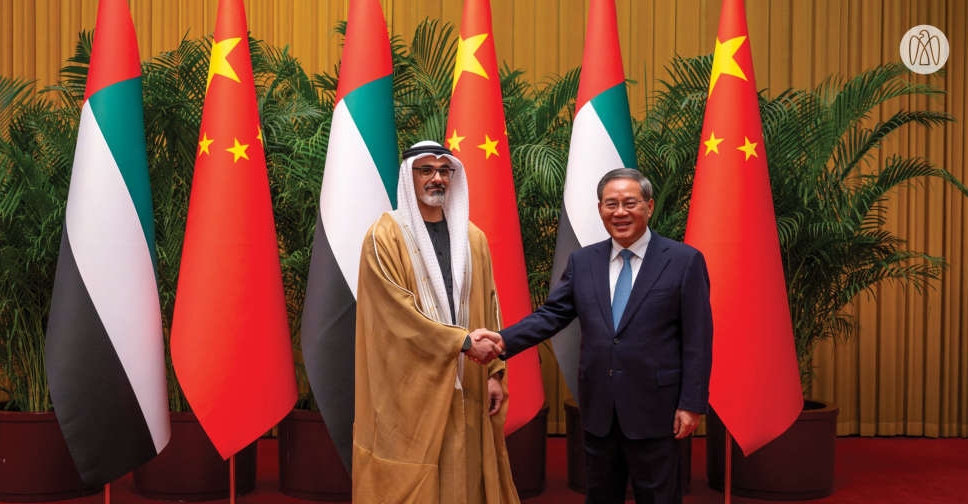
The UAE and China have signed several MoUs to expand cooperation across key sectors as His Highness Sheikh Khaled bin Mohamed bin Zayed Al Nahyan, Crown Prince of Abu Dhabi, met Chinese Premier Li Qiang in Beijing.
The MoUs included sectors like clean energy, investment, sustainable agriculture, environmental sustainability, health sciences, and advanced technology, with a focus on knowledge exchange and joint research programmes.
The meeting took place during the official reception hosted by Li Qiang for Sheikh Khaled and his delegation.
Sheikh Khaled thanked the Chinese Premier for the generous hospitality and reaffirmed the UAE’s commitment to further strengthening its comprehensive strategic partnership with China and underscored the importance of moving towards a more integrated phase of cooperation.
Each side highlighted the significance of the UAE–China Business Promotion Conference that brings together business leaders and investors from both countries to explore opportunities in trade, investment, infrastructure, technology and industrial development, in line with the increasing scale of non-oil trade between the two countries, which reached approximately $111 billion in 2025.
The meeting also covered regional and international developments, highlighting the importance of promoting stability, enhancing international coordination in addressing shared challenges and supporting peaceful solutions to conflicts, in support of global peace and security.
Li Qiang also hosted a banquet in honour of Sheikh Khaled.

 UAE strongly condemns attacks by Houthi Group on Saudi civilian facilities
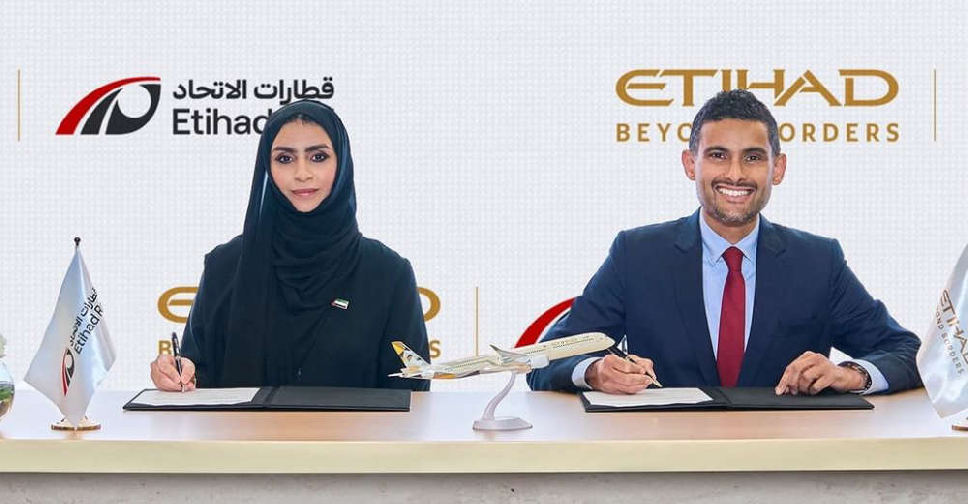 Etihad Airways, Etihad Rail to explore enhanced UAE air-rail transport integration
 UAE allocates $8 million to support Chad amid El Nino food crisis
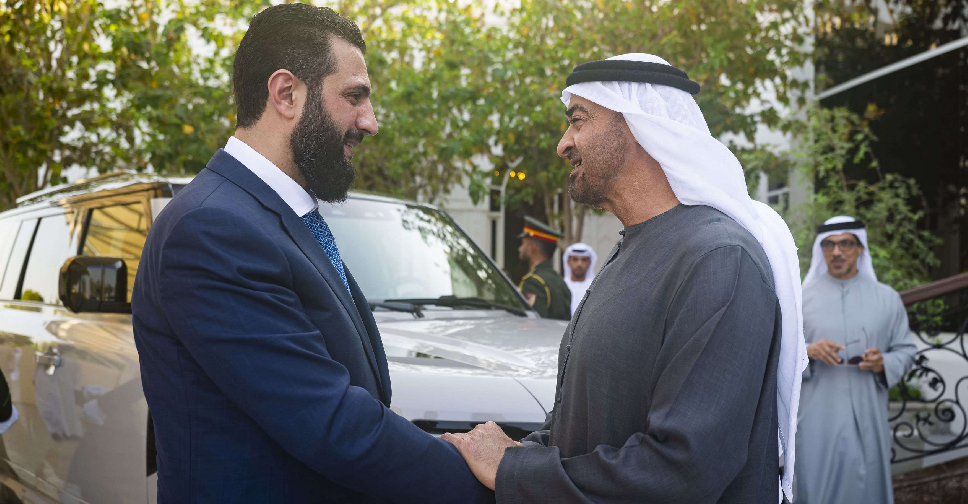 UAE, Syrian Presidents discuss stronger economic and development ties
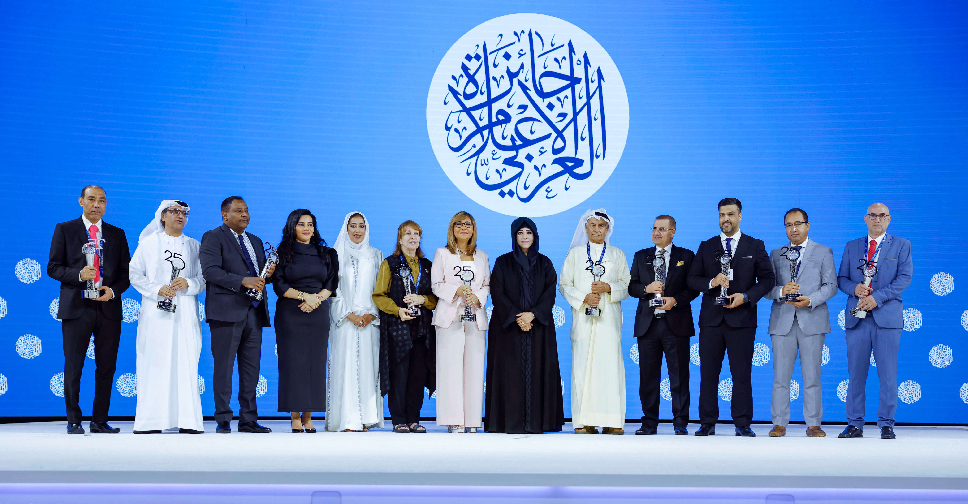 Sheikha Latifa honours Arab Media Award winners
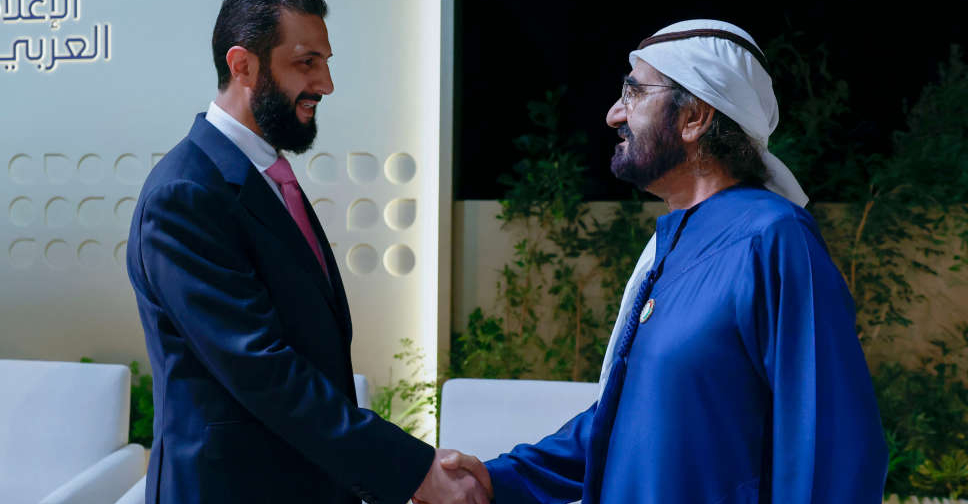 H.H. Sheikh Mohammed reaffirms 'relations with Syria' during meeting with Al-Sharaa
 Abu Dhabi streamlines holiday home regulatory process
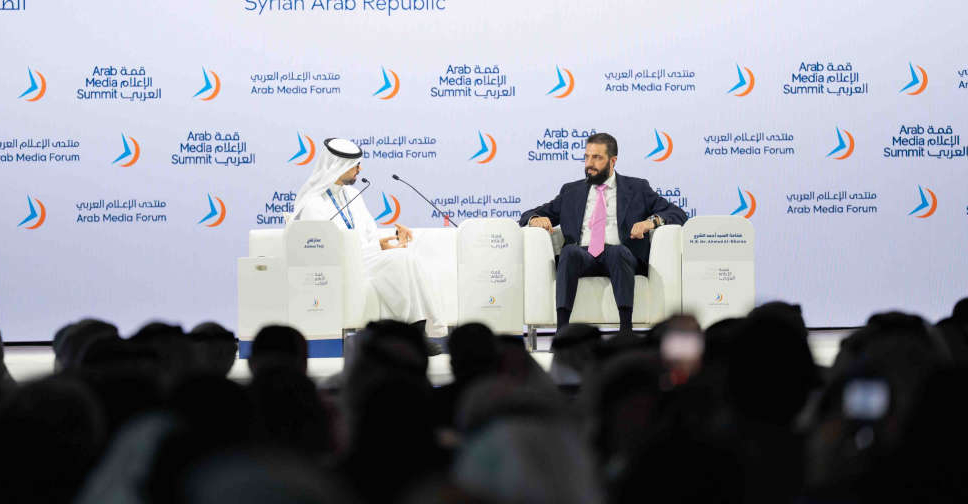 Ahmad Al-Sharaa expresses confidence in Syria's revival at Arab Media Summit