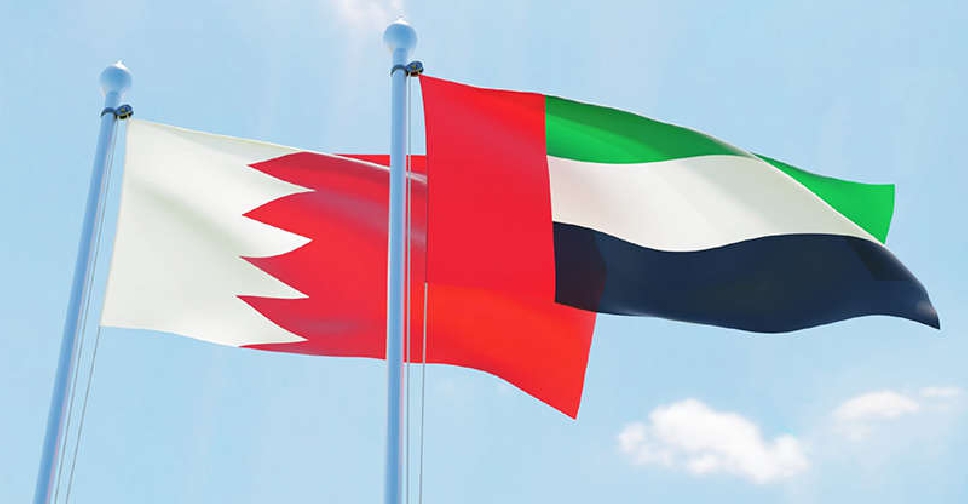
A nanosatellite that is being jointly developed by UAE and Bahrain, will be sent into space on December 21.
Called Light-1, the satellite will monitor and study terrestrial gamma ray flashes from thunderstorms and cumulus clouds.
It is part of an emerging field in geoscientific research that will be launched to the International Space Station
The spacecraft was developed by 23 students, including 14 Emiratis from Khalifa University and New York University Abu Dhabi and nine Bahraini nationals.
The development was a collaboration between the UAE Space Agency and Bahrain's National Space Science Agency (NSSA).
It will be sent onboard a SpaceX, Falcon 9 rocket under supervision from the Japanese Aerospace Space Agency (JAXA).
Light-1’s name was inspired by King Hamad bin Isa Al Khalifa of Bahrain's book, The First Light. The name reportedly symbolises Bahrain's growth and scientific progress.
Bahrain is a member of the Arab Space Cooperation Group, an initiative adopted to promote cooperation on space among Arab countries. It has 14 member states and is headquartered in Abu Dhabi.
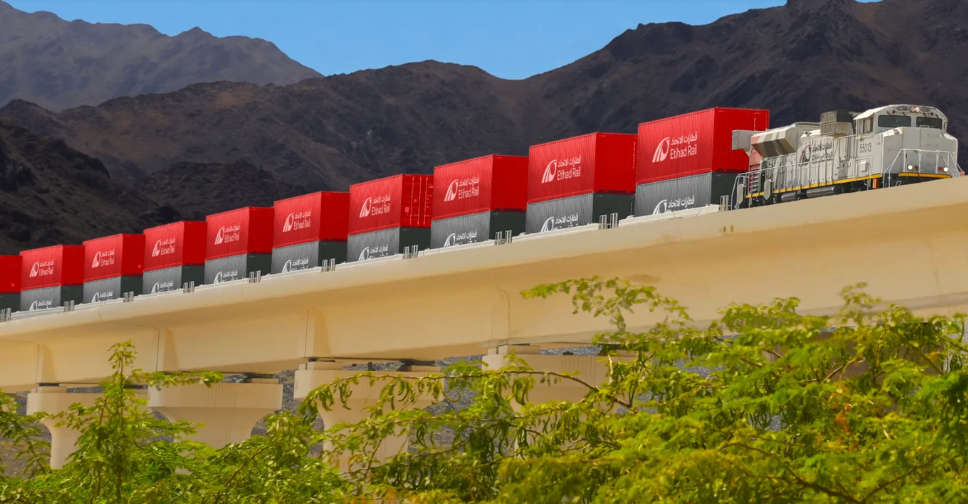
Etihad Rail has launched a direct cargo rail service connecting Fujairah Terminals with the Industrial City of Abu Dhabi (ICAD) in an effort to bring trade closer to customers.
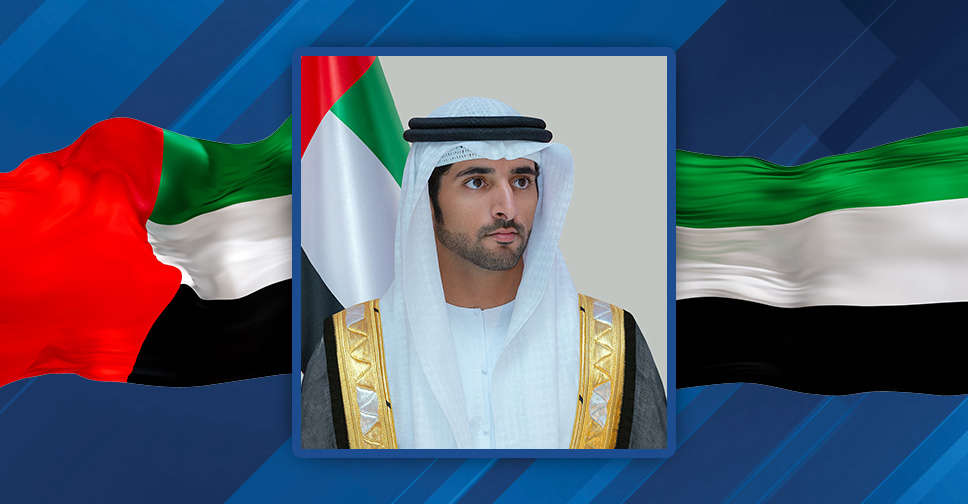
His Highness Sheikh Hamdan bin Mohammed bin Rashid Al Maktoum, Crown Prince of Dubai, Deputy Prime Minister and Minister of Defence, has announced the appointment of Abdulrahman Saleh Al Saleh as the Acting Director General of His Highness the Dubai Ruler's Court.
Dubai's Roads and Transport Authority (RTA) has completed all works on the Oud Metha Road and Al Asayel Street development project, which included the construction of four bridges and two tunnels.
His Highness Sheikh Hamdan bin Mohammed bin Rashid Al Maktoum, Crown Prince of Dubai, Deputy Prime Minister and Minister of Defence, on Saturday directed the launch of a second village under the Rashid Villages initiative in Zanzibar.
UAE President His Highness Sheikh Mohamed bin Zayed Al Nahyan held a phone call with Indian Prime Minister Narendra Modi to discuss opportunities to further strengthen bilateral relations.
Dubai Police have warned the public about an uptick in fake social media accounts and websites exploiting the demand for Global Village tickets with unrealistic discounts.
A group of mothers of UAE's fallen heroes were honoured for their distinguished national standing and contributions towards the nation with a trip to Zayed National Museum following an Etihad Rail train ride.
Dubai Municipality has completed a package of strategic projects aimed at improving living conditions, quality of life and sustainability across workers’ communities in the emirate.
Welcome to Pinoy Bulletin, your go-to source for staying informed about important announcements, exciting group activities, community events, and job opportunities!




 Etihad Rail launches cargo service from Fujairah to Industrial City of Abu Dhabi
 H.H. Sheikh Hamdan announces new Acting Director General of Dubai Ruler's Court
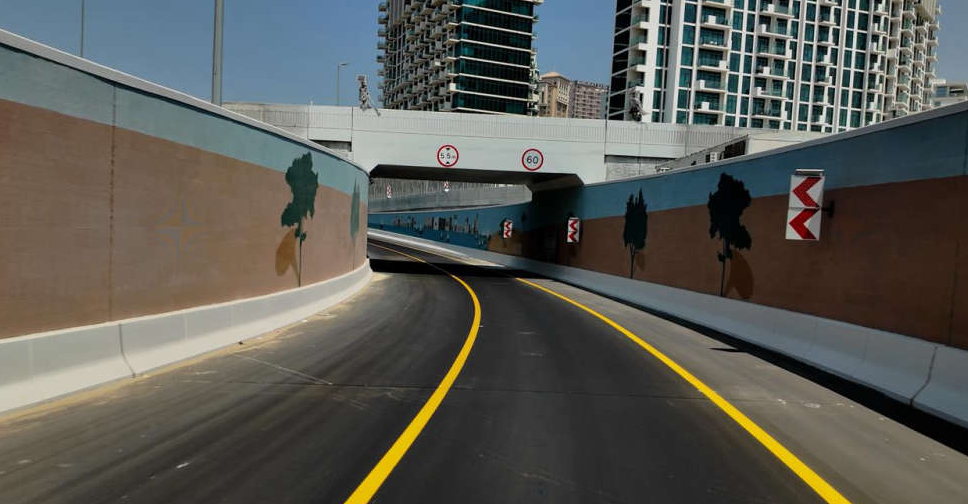 RTA completes works on Oud Metha, Al Asayel Streets development project
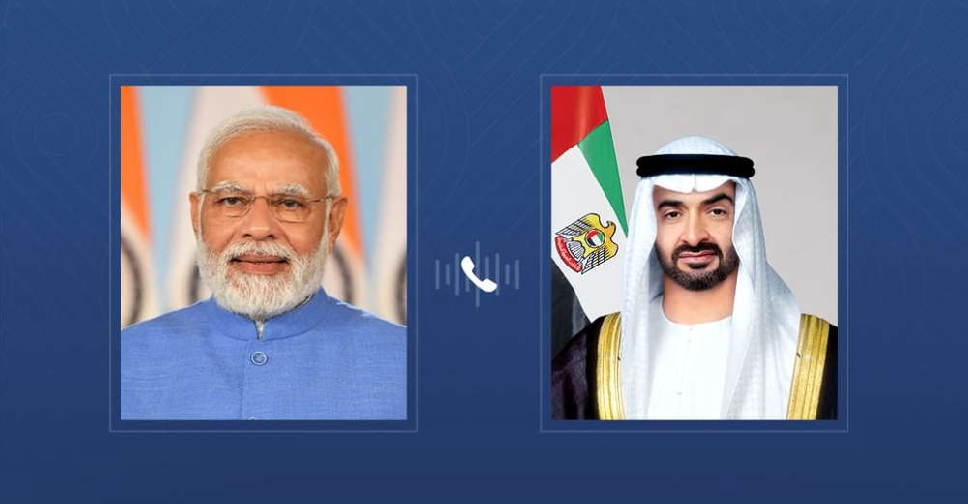 UAE President, Indian PM discuss stronger bilateral ties
 Dubai Police warns of fake online adverts selling Global Village tickets
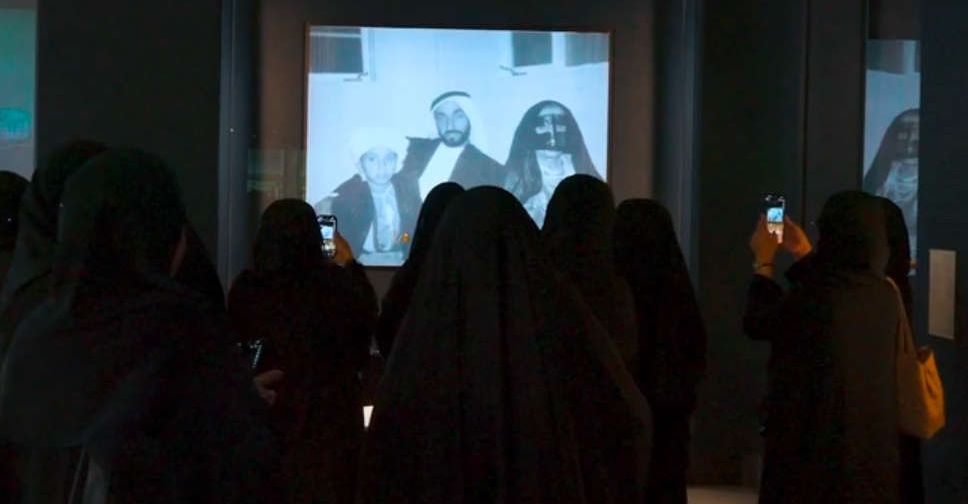 UAE honours mothers of fallen heroes
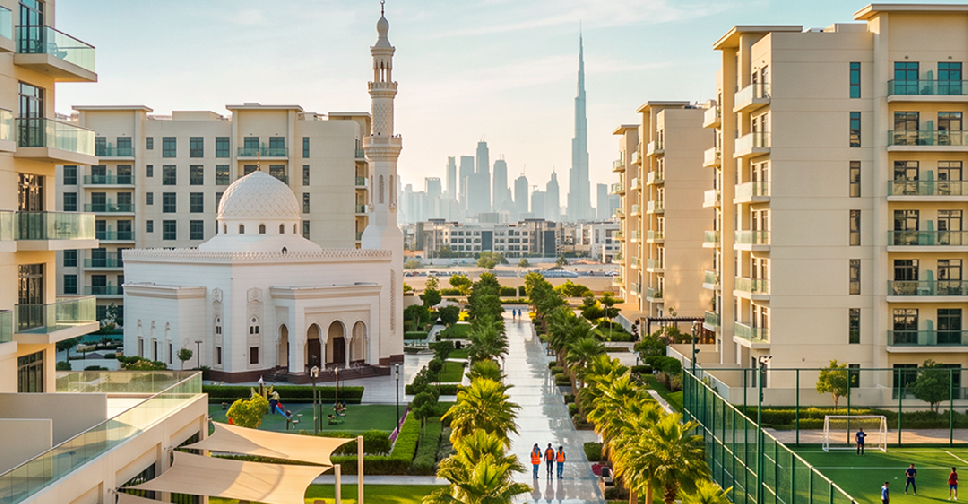 Dubai strengthens living standards in workers’ communities