

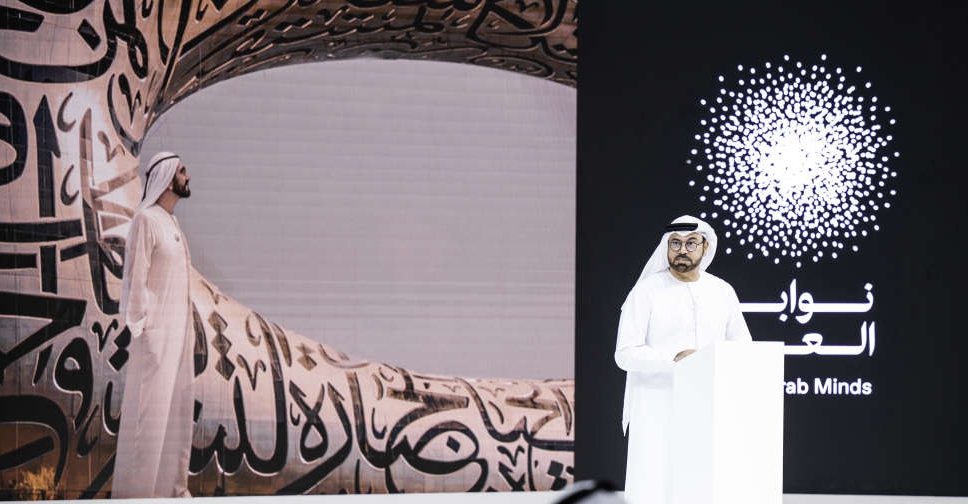
His Highness Sheikh Mohammed bin Rashid Al Maktoum, Vice President, Prime Minister, and Ruler of Dubai, has congratulated Professor Oussama Khatib for winning the Great Arab Minds Award in the Engineering and Technology category.
In a post on "X", Sheikh Mohammed expressed his pride, saying, "Brothers and sisters, we celebrate scientists, thinkers, and innovators every year through the Great Arab Minds Award. After receiving thousands of nominations, we are pleased to announce the winner for this year's Engineering and Technology category." He continued, "From Syria, the cradle of civilisation, and Aleppo, a city known for its history and knowledge, we honour one of its most distinguished sons, Professor Oussama Khatib."
الإخوة والأخوات.. نحتفي بالعلماء والمفكرين والمبدعين كل عام عبر جائزة نوابغ العرب … وبعد تلقي آلاف الترشيحات .. نعلن اليوم الفائز بجائزة نوابغ العرب عن فئة الهندسة والتكنولوجيا لهذا العام...
— HH Sheikh Mohammed (@HHShkMohd) December 17, 2024
من سوريا، أرض الحضارات، ومن حلب، مدينة التاريخ والعلم، نحتفي اليوم بنبوغ أحد… pic.twitter.com/DDNgbkWYrJ
As Director of the Robotics Laboratory at Stanford University, Professor Khatib has made groundbreaking contributions to robotics engineering, with over 327 scientific papers published. His work includes the development of advanced robots that explore ocean depths and offer innovative solutions to global challenges. His achievements connect human intelligence with advanced robotic missions, transforming the landscape of robotics.
Mohammad bin Abdullah Al Gergawi, Minister of Cabinet Affairs and Chairman of the Great Arab Minds Higher Committee, congratulated Professor Khatib during a virtual video call.
Al Gergawi emphasised that innovators like Khatib inspire future generations and encourage Arab youth to shape a brighter future. He said, "The Great Arab Minds Award celebrates brilliant Arab minds who serve as beacons of inspiration for Arab youth."
Professor Khatib’s research has significantly advanced fields such as healthcare, industrial automation, and deep-sea exploration. His creation of the OceanOne robot, a humanoid designed for deep-sea exploration, showcases his groundbreaking work in combining haptic feedback, stereo vision, and bimanual manipulation to replicate human skills with precision.
Professor Khatib's work bridges theoretical innovation with practical applications, leaving a lasting impact on the global robotics field.

 Four injured in drone incident near Dubai International Airport
 UAE responds to incoming missile, drone threats from Iran
 UAE, Russia Presidents discuss regional security and developments
 H.H. Sheikh Mohammed issues law on shared housing in Dubai
 Dubai extends truck movement permit to March 22
 UAE responds to new wave of missile threats
 Expo City Dubai hosts iftars for UAE armed forces, families
 UAE cracks down on price hikes for essential items