

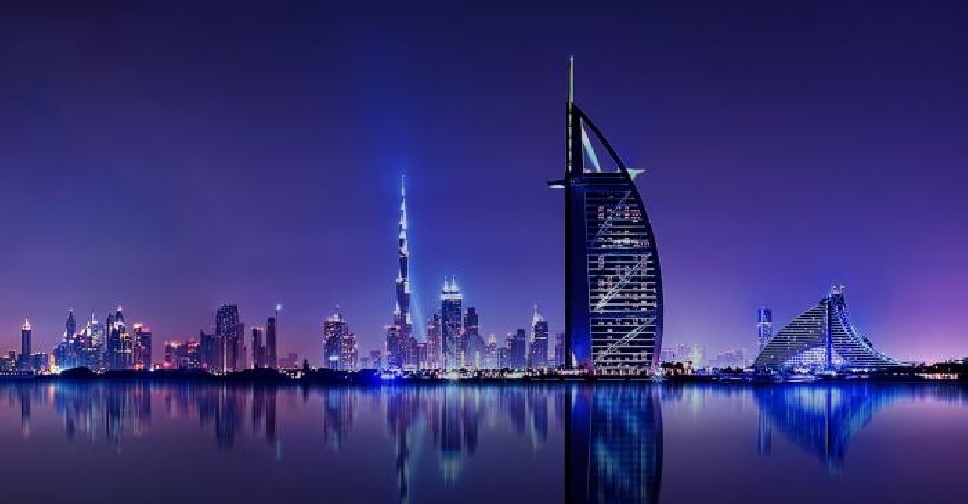
The Dubai Free Zones Council (DFZC) has confirmed that the performance of Dubai's free zones in 2024 is a result of their ongoing commitment to economic diversification, aligning with the vision of His Highness Sheikh Mohammed bin Rashid Al Maktoum, Vice President, Prime Minister, and Ruler of Dubai.
This was discussed at the council's 29th meeting, chaired by H.H. Sheikh Ahmed bin Saeed Al Maktoum, where members reviewed the substantial progress made over the past year.
In line with Dubai’s broader strategy for sustainable growth, the free zones have continued to boost competitiveness, enhance proactivity, and improve future preparedness. The council emphasised that Dubai’s free zones are well-positioned to support the emirate’s economic goals, leveraging innovative solutions, such as artificial intelligence (AI) and big data analytics, to monitor business and economic indicators in real-time.
The council discussed the progress made in attracting foreign direct investment (FDI) to Dubai's free zones and highlighted promising opportunities for further growth. This includes the adoption of economic accelerators and new technologies aimed at improving operational efficiency and increasing the ease of doing business in the region.
One of the key successes was the migration to a new Human Resources Approval system, developed in collaboration with the Dubai Digital Authority. This system has reduced application processing times by 60%, improving overall efficiency and ensuring quicker turnaround for businesses operating within the free zones.
The council also reviewed ongoing projects to enhance infrastructure within the free zones, particularly in collaboration with the Roads and Transport Authority (RTA). Plans to improve traffic safety and expand the transportation network in and around the free zones are expected to further ease access for businesses and workers alike.
As part of its long-term strategy, the council is also focused on the Dubai Free Zones Model 2030, a plan to modernise and enhance the operational framework of free zones to attract new businesses and investments. This includes attracting Emirati talent to the free zones and providing training opportunities to ensure a highly skilled workforce.
The council also discussed compliance with international standards, including the Financial Action Task Force (FATF) compliance program, ensuring Dubai’s free zones remain aligned with global best practices in areas such as corporate governance and financial transparency.
With these advancements, Dubai’s free zones are set to play a pivotal role in the emirate’s future economic development, positioning Dubai as a global hub for business and innovation.

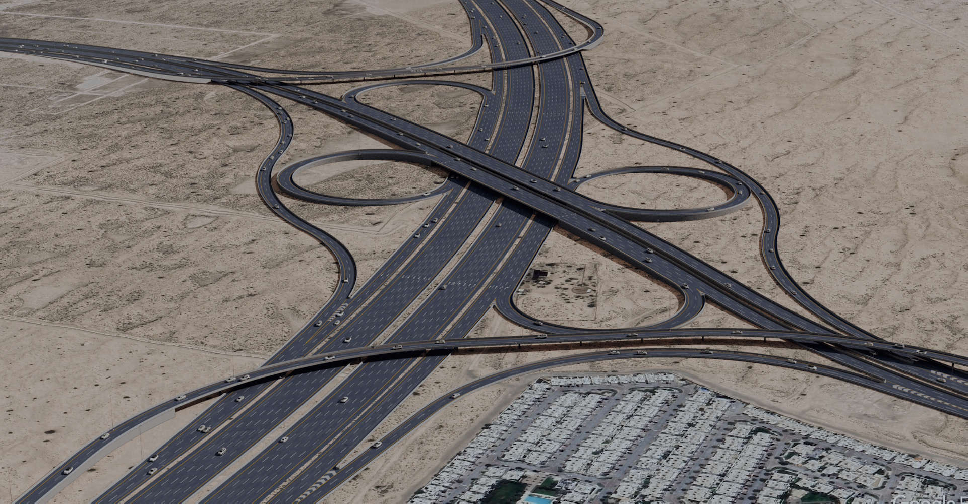 Dubai's new 80km road corridor to boost inter-emirate connectivity
 UAE strongly condemns Houthis' attempted attack on Mecca
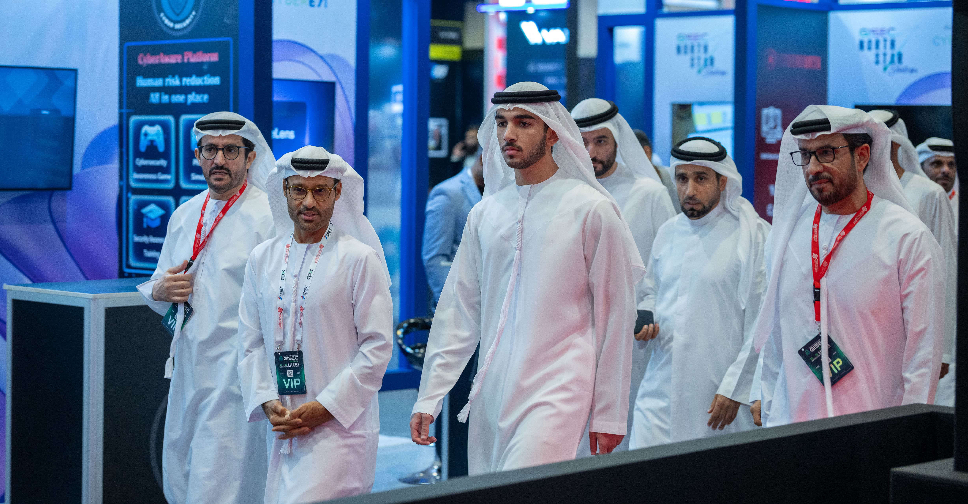 Dubai strengthens cybersecurity dialogue with GISEC Global
 UAE shuts down 200 social media accounts for unlicensed recruitment
 UAE Floating Hospital admits 11 new patients from Gaza
 UAE strongly condemns Houthi attacks on Saudi civilian facilities
 Etihad Airways, Etihad Rail to explore enhanced UAE air-rail transport integration
 UAE allocates $8 million to support Chad amid El Nino food crisis