
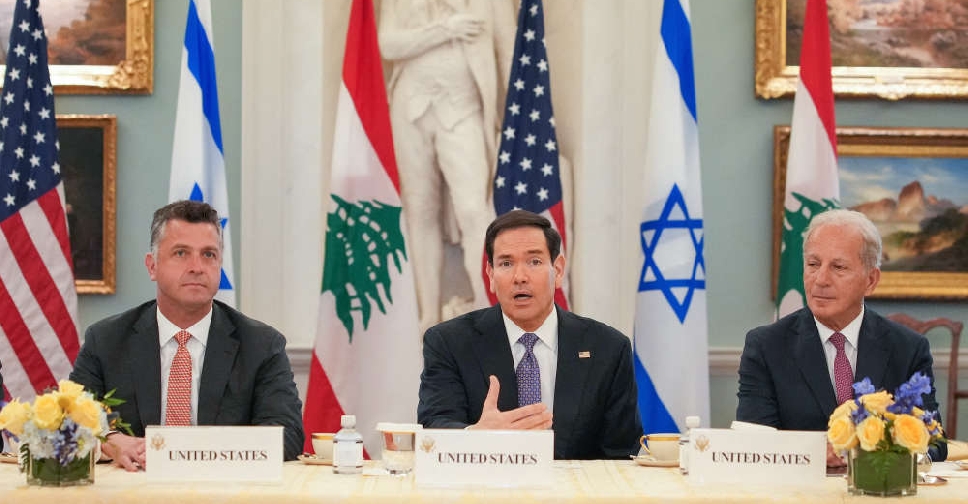
US Secretary of State Marco Rubio hosted a rare meeting between Israeli and Lebanese envoys in Washington on Tuesday, saying he hoped the two countries would agree to a framework for a peace process, even as Israel pressed its war on Hezbollah.
The two countries went into their first direct negotiations since 1983 with conflicting agendas, with Israel ruling out discussion of a ceasefire and demanding Beirut disarm Iran-aligned Hezbollah.
But the presence of Rubio, President Donald Trump's top diplomat and national security adviser, signalled Washington's desire to see progress.
The meeting comes at a critical juncture in the crisis in the Middle East, a week into a fragile ceasefire between the United States, Israel and Iran.
Iran says Israel's campaign against Hezbollah in Lebanon must be included in any agreement to end the wider war, complicating talks mediated by Pakistan aimed at averting further economic fallout.
The conflict that began with US-Israeli strikes on Iran on February 28 has led to the largest oil supply disruption in history, piling pressure on Trump to find an off-ramp.
Rubio opened the meeting between Israel's ambassador to the US, Yechiel Leiter, and his Lebanese counterpart, Nada Hamadeh Moawad, saying he hoped the talks could begin a process to permanently end the conflict in Lebanon and prevent Hezbollah, which he called a "terrorist proxy of Iran", from threatening Israel.
The meeting marked a rare encounter between representatives of governments that have remained technically in a state of war since Israel was established in 1948.
"This is a process, not an event. This is more than just one day. This will take time, but we believe it is worth this endeavour, and it's a historic gathering that we hope to build on. And the hope today is that we can outline the framework upon which a permanent, lasting peace can be developed," Rubio said.
Rubio was hosting Tuesday's talks amid questions over his lack of in-person participation in talks with Iran, with the Republican president sending Vice President JD Vance to Islamabad over the weekend to lead the US negotiations.
Rubio was with Trump in Florida watching a mixed martial arts event as Vance announced in Pakistan that talks with the Iranians had concluded with no breakthrough.
State Department Counselor Michael Needham, US ambassador to the United Nations Mike Waltz, and US ambassador to Lebanon Michel Issa, a personal friend of Trump, were also participating in the talks on Tuesday.
LEBANON SEEKS CEASEFIRE
Lebanese President Joseph Aoun said in a statement on X as the meeting started that he hoped it would "mark the beginning of ending the suffering of the Lebanese people in general, and the southerners in particular."
The Lebanese government led by Aoun and Prime Minister Nawaf Salam has called for negotiations with Israel despite objections from Hezbollah, reflecting worsening tensions between the group and its opponents.
Hezbollah opened fire in support of Tehran on March 2, sparking an Israeli offensive that has killed more than 2,000 people and forced 1.2 million from their homes, according to Lebanese authorities.
Lebanese officials have said Moawad only has authority to discuss a ceasefire in Tuesday's meeting.
But Israeli government spokesperson Shosh Bedrosian said Israel would not discuss a ceasefire.
Israeli Foreign Minister Gideon Saar told reporters in Jerusalem ahead of the meeting that talks would focus on the disarmament of Hezbollah, which he said must take place before Israel and Lebanon could sign any peace agreement and normalise relations.
He said Hezbollah was a problem for Israel's security and Lebanon's sovereignty that needed to be addressed to move relations to a different phase.
"We want to reach peace and normalization with the state of Lebanon," he said.
The Lebanese state has been seeking to disarm Hezbollah peacefully since a war between the militia and Israel in 2024.
Any move by Lebanon to disarm it by force risks igniting conflict in a country shattered by civil war from 1975 to 1990. Moves against Hezbollah by a Western-backed government in 2008 prompted a short civil war.
The current government banned Hezbollah's military wing after it opened fire on Israel last month.

 At least 14 killed in explosion at weapons depot in Syria
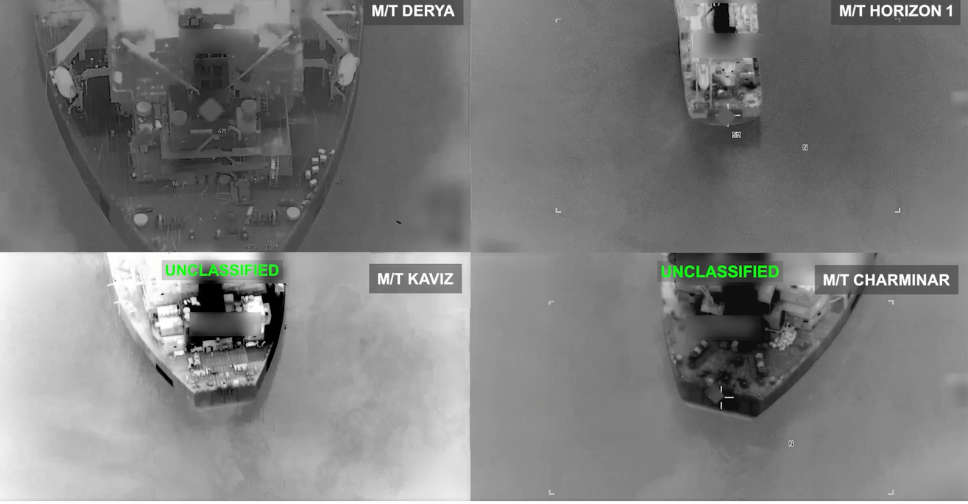 US hits five Iranian oil tankers after attack on Navy ships
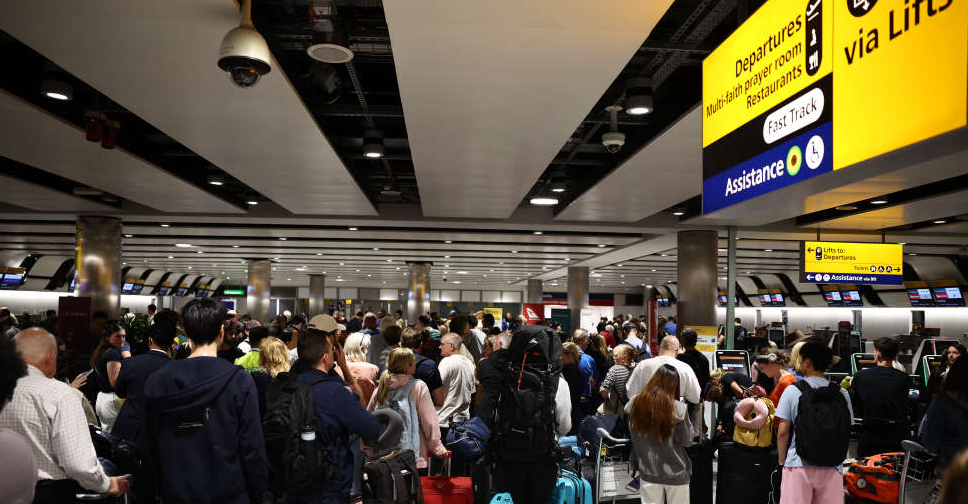 UK flights resume after major air traffic outage but airports warn of more disruption
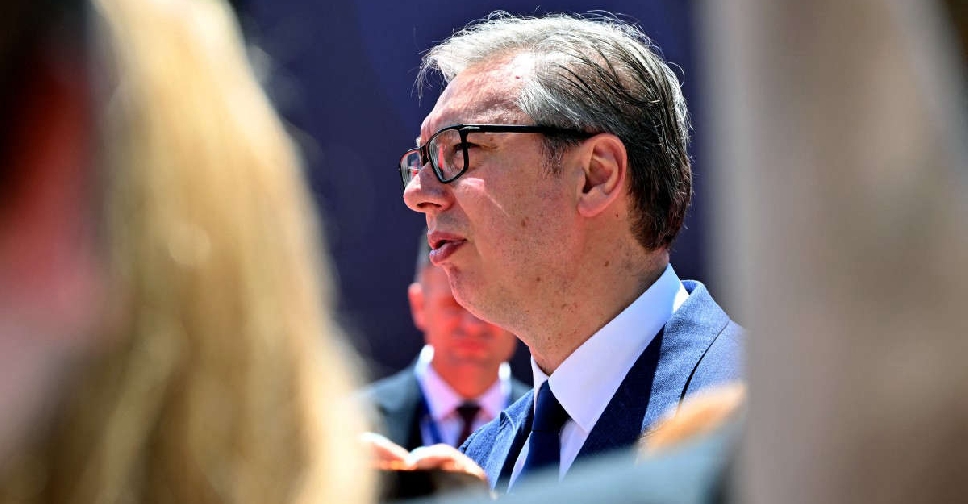 Serbia's President Vucic dissolves parliament, calls snap elections
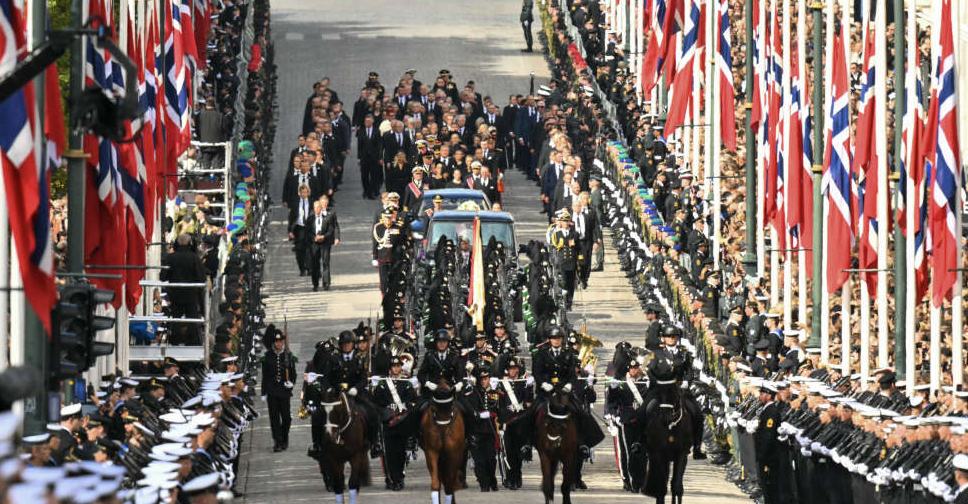 With large crowds attending, Norway lays King Harald to rest
 Jordan intercepts 18 Iranian ballistic missiles
 Air traffic control issue disrupts flights at major UK airports
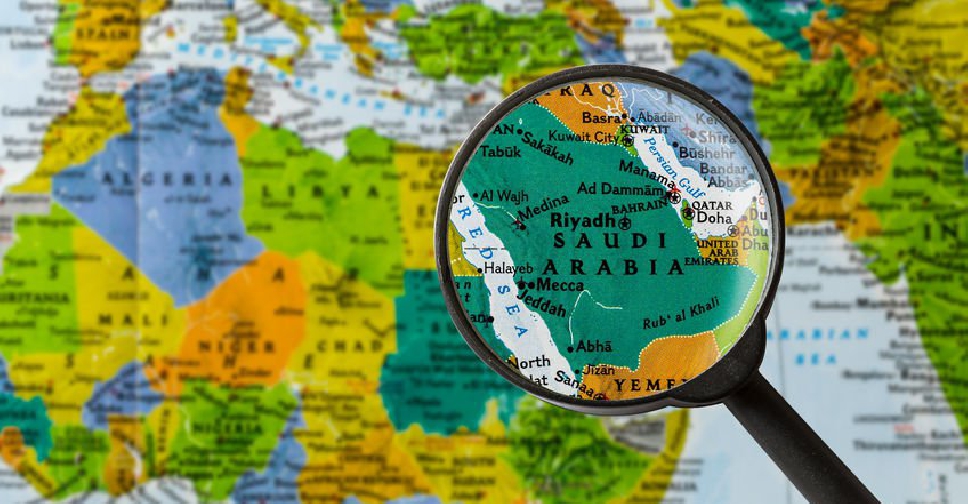 At least 73 injured after Houthi rebels attack Saudi civilian and energy facilities