

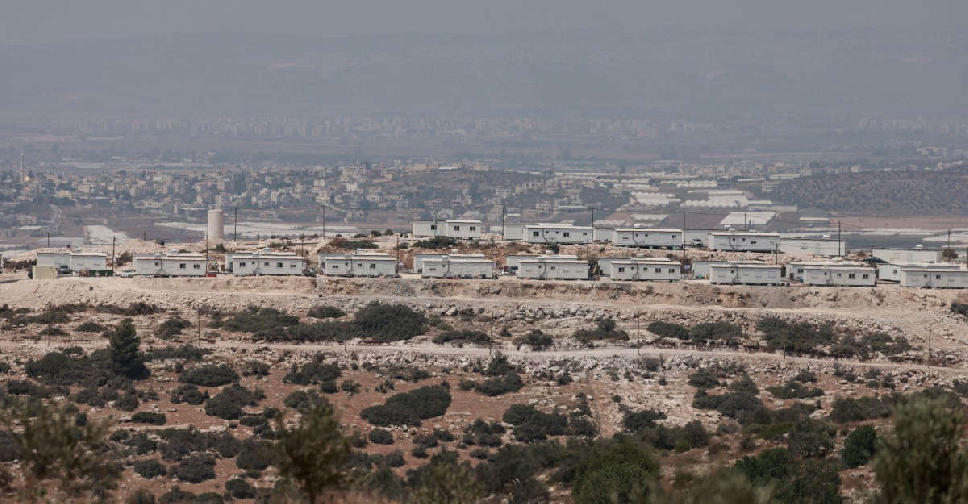
Britain, France and Canada on Tuesday moved to block imports from Israeli settlements in the occupied West Bank, as a wider group of countries signalled further steps to defend the two-state solution amid mounting concern over settlement expansion.
The trade measures are the latest in a series of actions targeting Israel's settlement policy and underscore its growing diplomatic isolation among some of its traditional allies.
British Foreign Minister Ed Miliband said Britain could no longer simply "call out" injustice and suffering, but had to act to oppose the expansion of settlements, which he said threatened the viability of a Palestinian state.
"Successive Canadian governments have held the position that a two-state solution is the way forward for long-term peace that also addresses Israel's legitimate security concerns. Illegal settlements in the West Bank significantly undermine these objectives," Canadian Foreign Minister Anita Anand wrote on X.
A Reuters report published on Tuesday found Israel's government is financing some of the West Bank's most radical settlers, who use illegal outpost farms to displace Palestinians.
Ahead of the announcement, US Ambassador to Israel Mike Huckabee criticised the planned British sanctions, while two Israeli ministers called for retaliatory measures against London.
France, also introducing a ban on West Bank products, cited the "frenzied expansion" of settlements there and a "flare up of violence" as the reasons for it taking action.
SYMBOLIC MOVE
Given the small volume of exports from the settlements, the trade bans are largely symbolic, and will not dent larger bilateral trade flows, but are part of wider efforts to reinforce support for the two-state solution, just as Israel announced plans for 1,000 new West Bank homes on Tuesday.
Britain, France and Canada were joined by the foreign ministers of 10 other countries, including Denmark, Norway, Poland, Spain and Sweden, in a statement reaffirming support for a negotiated two-state settlement.
"Together, we are resolute: the two-state solution must be protected, and we will take action in pursuit of a just and lasting peace," they said.
Miliband, who became Britain's foreign minister in July, went further, saying the UK believes that there is ethnic cleansing of Palestinians in areas of the West Bank.
"Today we refuse to be bystanders to further suffering and to the destruction of the two-state solution," Miliband said, referring to Britain's long-held support for the idea, which Israel opposes.
Speaking as "a proud British Jew", Miliband said he remained grateful to Israel for providing refuge to his grandmother after his grandfather and 60 family members were killed by the Nazis.
ISRAEL REACTS
Israeli Foreign Minister Gideon Saar on Tuesday said that it was closing Britain's consulate in East Jerusalem, accredited to the Palestinian Authority in the West Bank, after London announced it was imposing sanctions on goods from Israeli settlements.
Saar also said Britain would no longer be able to allowed to participate in the US-led coordination mission for Gaza in Israel, that British training of Palestinian Authority forces in the West Bank would be terminated, and that some elected UK officials and other nationals would be banned from entering Israel.
"The British move is morally distorted, and constitutes blatant interference in the affairs of a sovereign state and its electoral process," he said, labelling what he described as accusations made by Miliband earlier as "outrageous lies".
Saar said that he had coordinated Israel's response with Prime Minister Benjamin Netanyahu.
Israeli President Isaac Herzog, meanwhile, accused Britain of interfering in Israel's upcoming elections, due in late October.
The focus of recent concerns is Israel's E1 settlement project in the West Bank not far from Jerusalem, which would cut across land the Palestinians seek for a future independent state.
The United Nations, Palestinians and most countries regard settlements as illegal under international law. Israel disputes this.
Israel-UK relations have become increasingly strained in recent years, with London criticising Israel's conduct in Gaza, the expansion of West Bank settlements and rising settler attacks on Palestinians.
Britain in 2025 joined other countries to recognise a Palestinian state as a means to promote the two-state solution, and had already issued sanctions in relation to West Bank settlements in June.
France's ban on goods from Israeli settlements comes amid growing frustration among some European Union member states that have pushed for a bloc-wide response to settlement expansion, but have so far failed to secure the qualified majority needed for EU action, largely because of opposition from countries including Germany.
The main produce from West Bank settlements is agricultural, including dates, citrus fruits, herbs and wine, and makes up only a tiny fraction of Israel's total exports.
Miliband said the new legislation would be in place in six to nine months, but he said he was also immediately sanctioning a number of extremist settlers who he said had supported acts of violence.
Recognising the threat to Israel from Iran, Miliband added that he would sanction Hezbollah-run financial institution Al-Qard Al-Hassan and would reimpose economic sanctions on Iran in line with the EU and US.

 Some UK departing flights disrupted by NATS technical issue
 At least 73 injured after Houthi rebels attack Saudi civilian and energy facilities
 Suspect detained after sabotage attacks on Germany power grid
 Nepal rescue focused on workers trapped in three tunnels
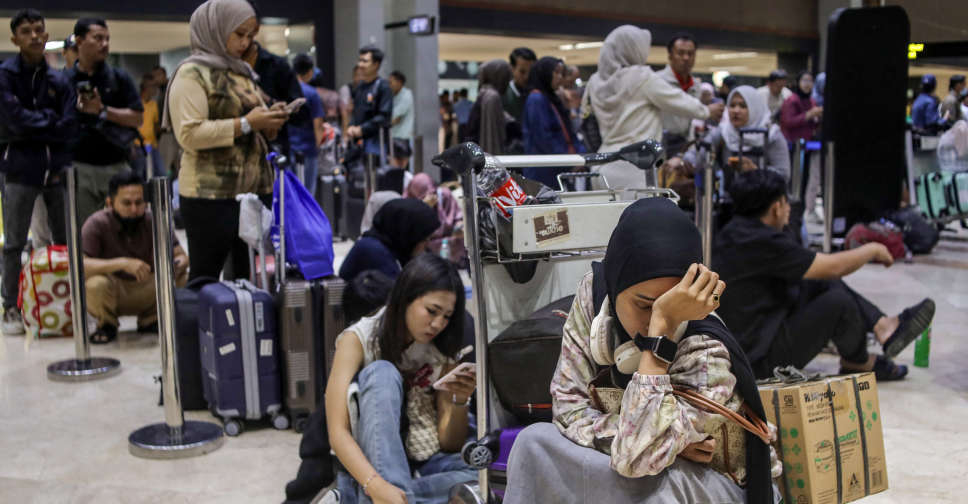 Indonesia reopens Jakarta airport, four others after Anak Krakatau ash clears
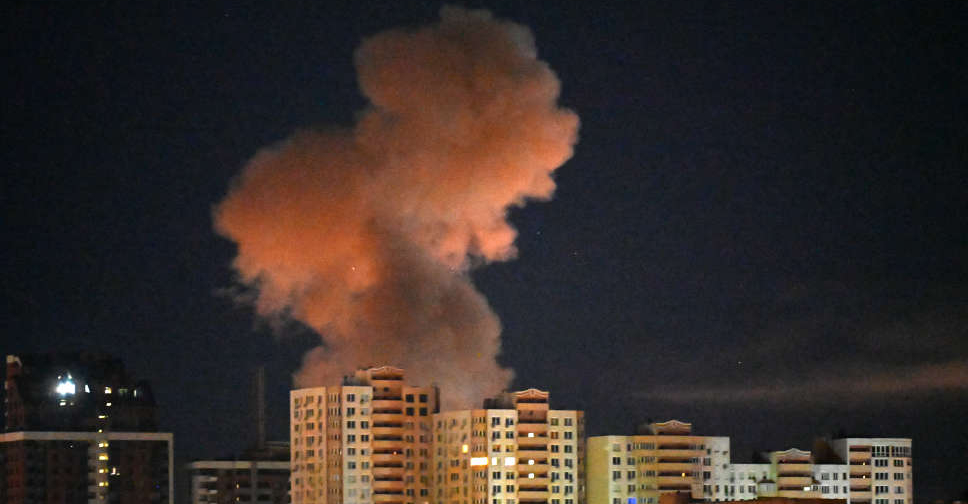 Russia hits Kyiv after brief pause for US envoys' visit, killing two
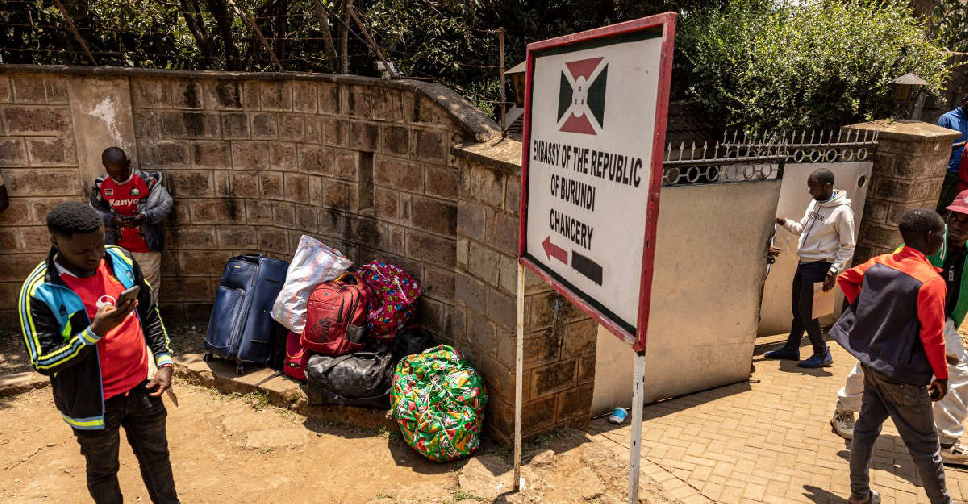 Kenya offers temporary amnesty to undocumented East Africans amid crackdown fears
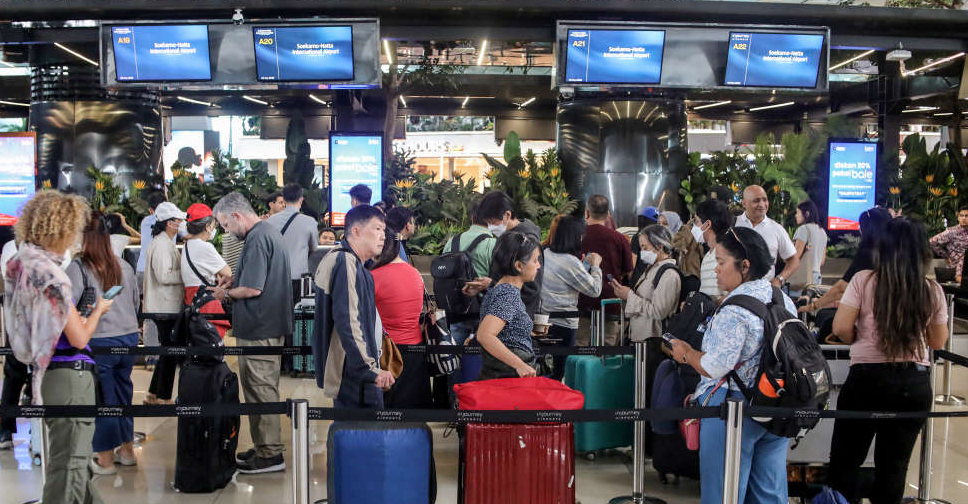 7 Indonesian airports remain shut due to volcanic ash from Anak Krakatau