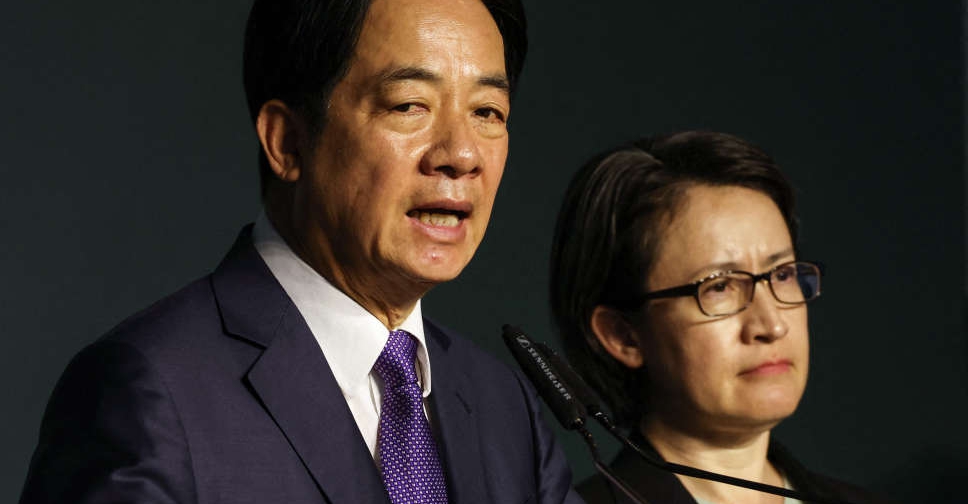
Taiwanese voters swept the ruling Democratic Progressive Party's (DPP) presidential candidate Lai Ching-te into power on Saturday in an explicit rejection of China's warnings not to vote for him in an election Beijing framed as a choice between war and peace.
Current Vice President Lai's DPP, which champions Taiwan's separate identity and rejects China's territorial claims, was seeking a third term, unprecedented under Taiwan's current electoral system.
Lai was facing two opponents for the presidency - Hou Yu-ih of Taiwan's largest opposition party the Kuomintang (KMT) and former Taipei Mayor Ko Wen-je of the small Taiwan People's Party, only founded in 2019. Both conceded defeat.
Lai was due to speak to reporters at 8:30 pm (1230 GMT) in Taipei.
In the run-up to the election, China denounced Lai as a dangerous separatist, saying that any moves towards Taiwan's formal independence meant war, and rebuffed Lai's calls for talks.
Lai says he is committed to preserving peace and the status quo across the Taiwan Strait and boosting the island's defences.
Five people have died and more than 80 are missing after a ferry caught fire off Palawan island in the western Philippines on Wednesday night, the Philippine Coast Guard said on Thursday.
The US military said on Wednesday three people have been killed in a strike on a vessel in the Caribbean Sea, the latest in a series of attacks that Washington says target "narco-terrorists" but human rights groups condemn as extrajudicial killings.
At least 14 people were killed and 11 wounded on Wednesday in an explosion at a temporary site used to store weapons and remnants of war near the Syrian city of Sarmada in Idlib province, state television reported.
The United States has destroyed five Iranian oil carriers on Tuesday after the Islamic Revolutionary Guard Corps (IRGC) targeted its navy warship with ballistic missiles "twice over the past two days".
Britain's NATS air traffic control provider has a week to investigate the systems failure that halted flights and stranded hundreds of thousands of passengers, the government said, as pressure mounts on its chief executive.
Serbia's President Aleksandar Vucic on Wednesday dissolved parliament and announced snap elections for next month as he seeks to extend his hold on power by running for prime minister.
Norway's King Harald Vwas being laid to rest on Wednesday, in a series of ceremonies marking the culmination of 13 days of national mourning following his death at the age of 89.
Welcome to Pinoy Bulletin, your go-to source for staying informed about important announcements, exciting group activities, community events, and job opportunities!




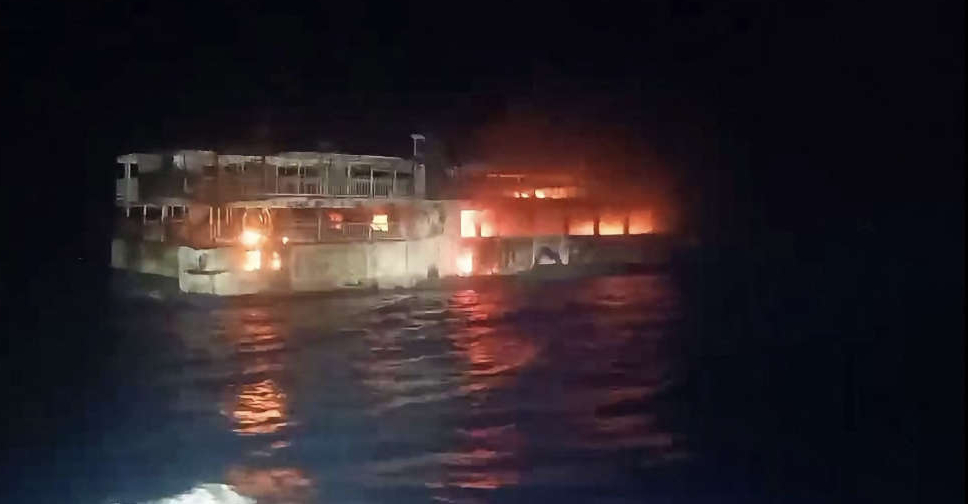 5 dead, more than 80 missing after Philippine ferry fire
 US military says it struck vessel in Caribbean, killing 3
 At least 14 killed in explosion at weapons depot in Syria
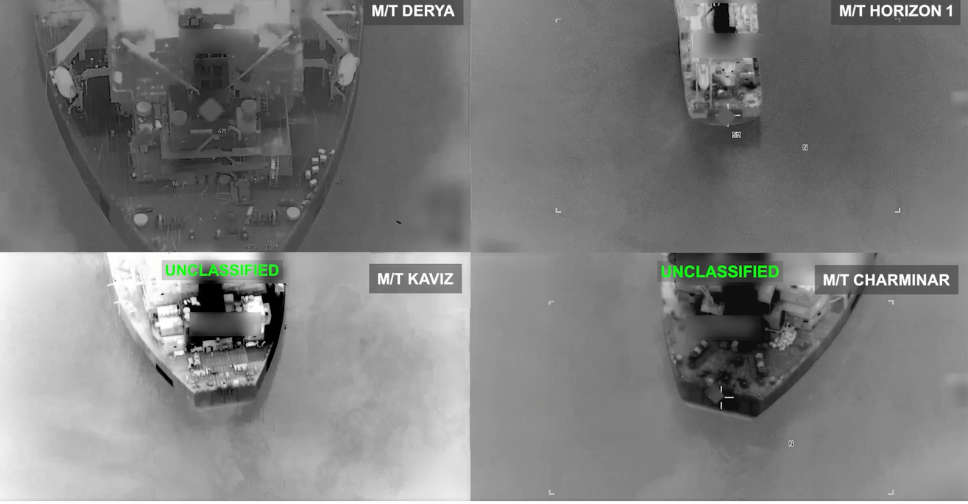 US hits five Iranian oil tankers after attack on Navy ships
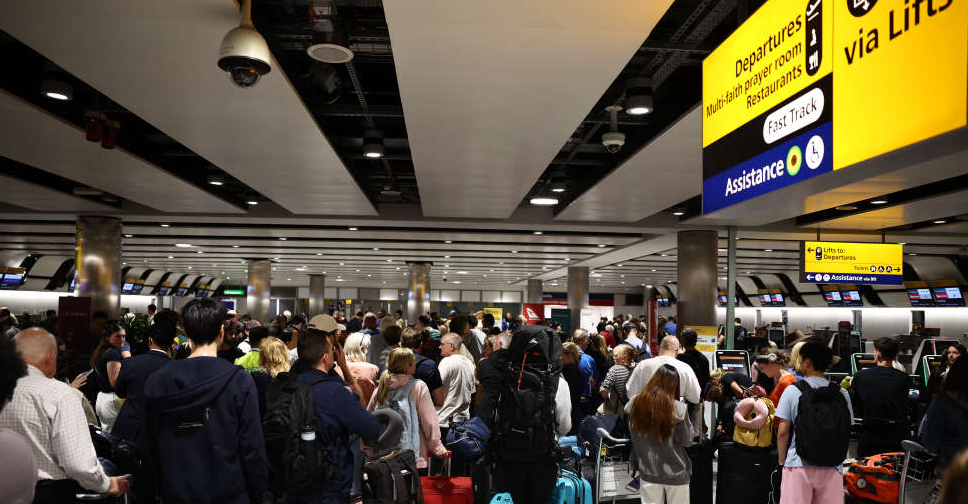 UK gives air traffic provider a week to probe outage that halted flights
 Serbia's President Vucic dissolves parliament, calls snap elections
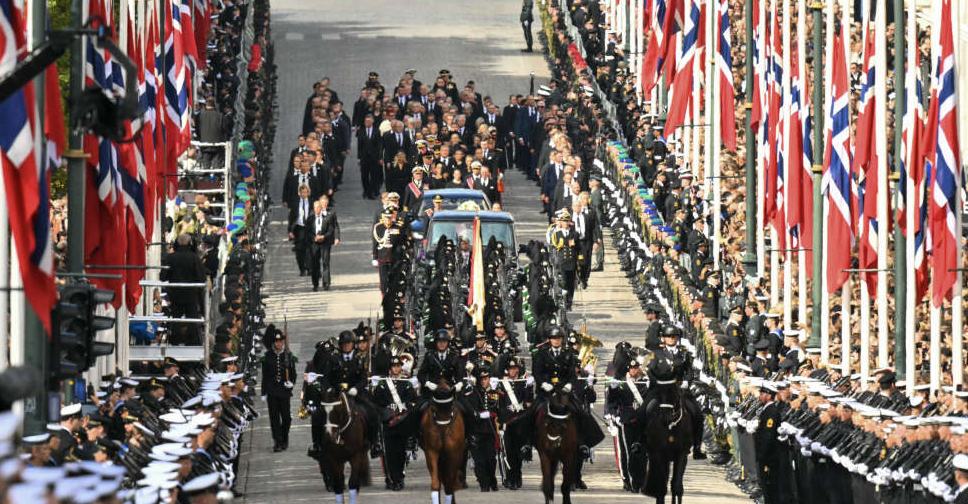 With large crowds attending, Norway lays King Harald to rest
 Jordan intercepts 18 Iranian ballistic missiles