

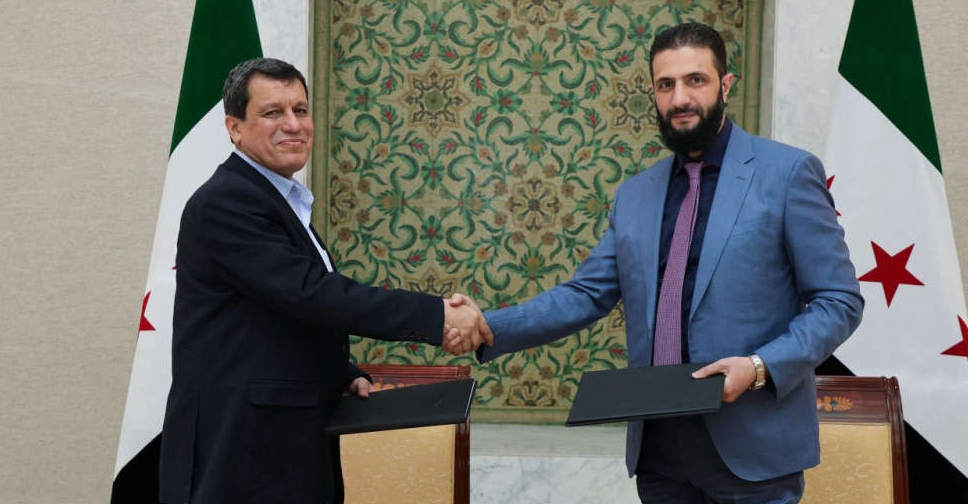
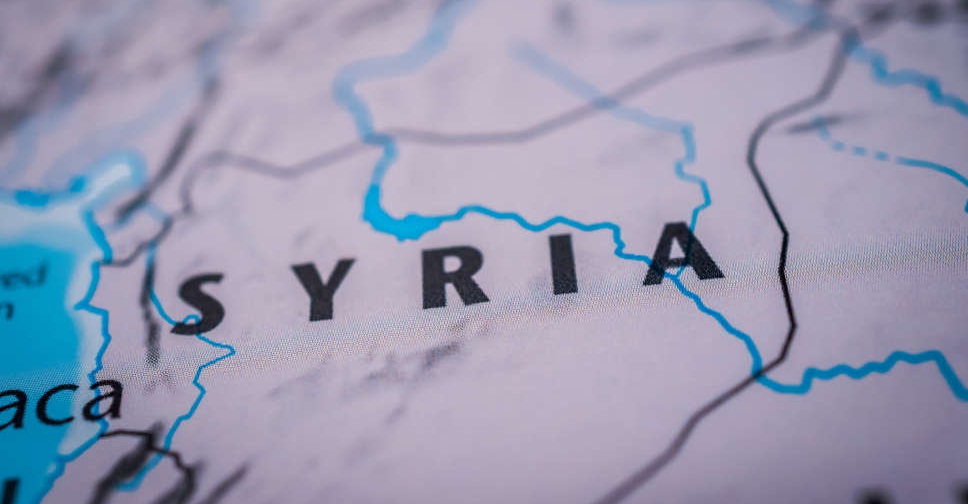
The Kurdish-led and US-backed Syrian Democratic Forces, which controls much of Syria's oil-rich northeast, signed a deal with the Damascus government on Monday to join Syria's new state institutions, the Syrian presidency said.
Photos showed interim President Ahmed al-Sharaa and SDF commander Mazloum Abdi shaking hands in Damascus on the agreement that provides for SDF-controlled civilian and military institutions in northeast Syria to be integrated with the state.
The accord came at a critical moment as Sharaa grapples with the fallout from mass killings of Alawite minority members in western Syria - violence that he said on Monday threatened his effort to unite Syria after 14 years of conflict.
In December, insurgents toppled the regime of former President Bashar al-Assad, a member of the country's Alawite minority who fled to longtime supporter Russia.
The agreement signed on Monday calls for SDF-controlled border crossings, an airport and oil and gas fields in eastern Syria to become part of the Damascus administration.
In his first official comment following the signing of the accord, Abdi said in a post on X that the deal represents a "real opportunity to build a new Syria."
He said the SDF was working together with the Syrian administration at "such a critical period" to guarantee a transitional phase that reflects the aspirations of the Syrian people for justice and stability.
Implementation is due by the end of the year, but the accord does not specify how SDF's military operation will be integrated into Syria's defence ministry, a major sticking point in talks thus far.
The deal also commits the SDF to combating remnants of Assad's regime. The new authorities in Damascus have accused Assad loyalists of sowing civil strife in western Syria.
The violence in the west was Sharaa's biggest test since he seized power. A war monitor reported hundreds of civilians killed in Alawite villages since Thursday as government forces sought to crush what they described as an insurrection.
On Sunday, US Secretary of State Marco Rubio condemned the killings.
"The massacres have weakened Sharaa. He has a lot of trouble internally and with the United States. It could help him show that he is not hostile to all minorities," said Aron Lund, a fellow at US-based think tank Century International, describing the agreement as vague.
In a Reuters interview on Monday, Sharaa promised to punish those responsible, including his own allies if necessary.
For Abdi, the agreement is a hedge against the risk of US President Donald Trump suddenly withdrawing US forces, which have supported the SDF for a decade to counter Islamic State in Syria, Lund added.
Abdi had wanted the SDF to join the defence ministry as a bloc rather than individuals - an idea the interim government rejected.
The SDF has been in conflict with Turkey-backed Syrian armed groups in northern Syria for years - a conflict that has rumbled on since Assad was toppled.
There was no immediate comment on the deal from Turkey, which is a close ally of Sharaa.

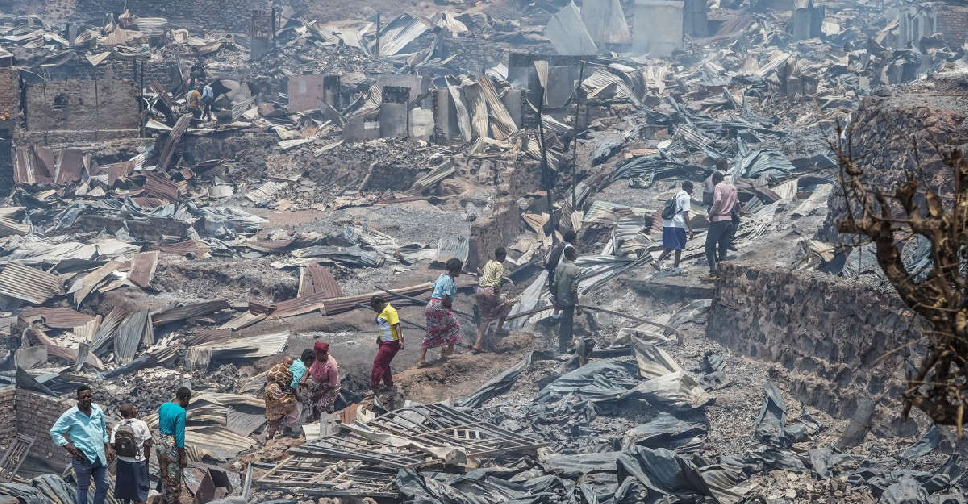 Fire in rebel-held east Congo kills 24 schoolchildren
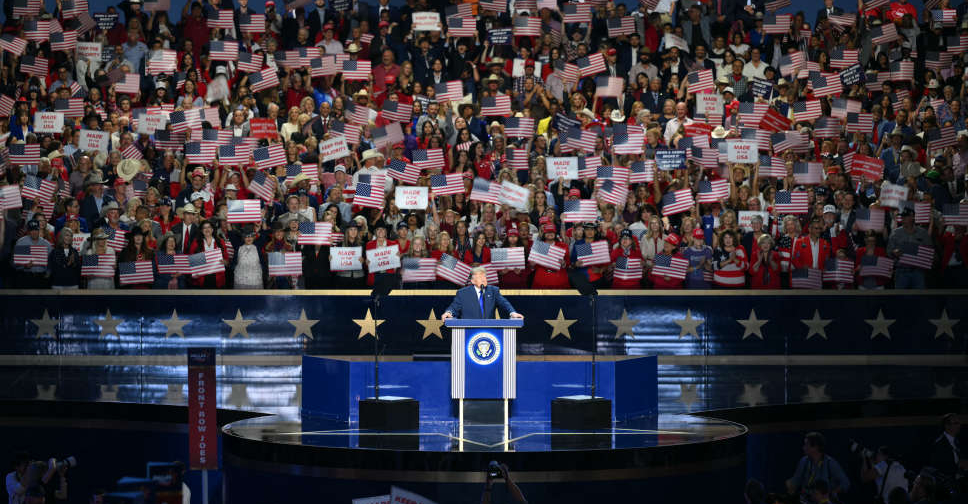 Trump touts $5,000 payout if Republicans win as Vance waits in wings
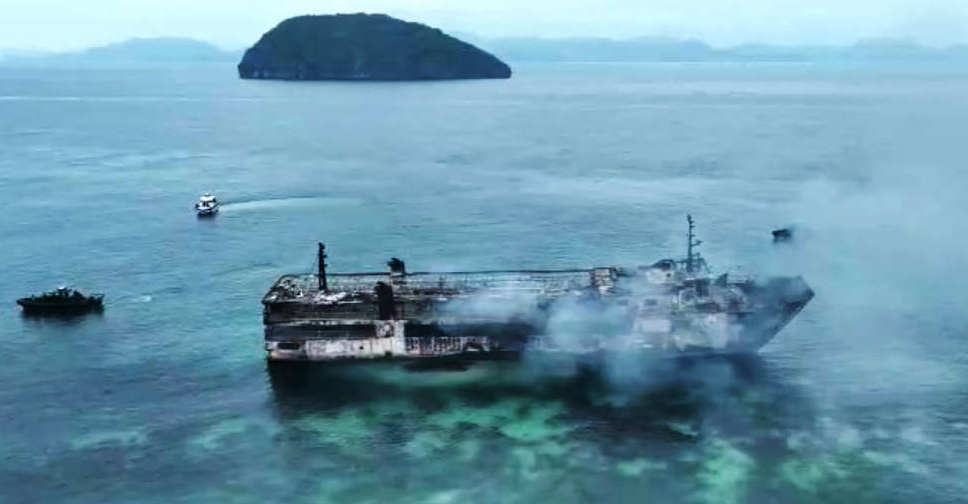 Search expands after Philippine ferry fire kills five and leaves dozens missing
 Trump says Iran war to end after US midterm elections
 At least 20 killed in cargo vessel fire at China shipyard, state media reports
 US military says it struck vessel in Caribbean, killing 3
 At least 14 killed in explosion at weapons depot in Syria
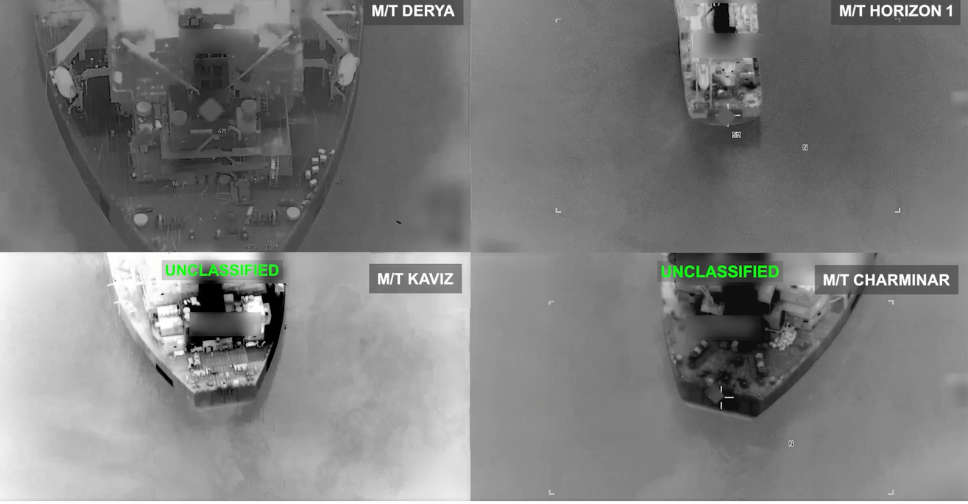 US hits five Iranian oil tankers after attack on Navy ships