

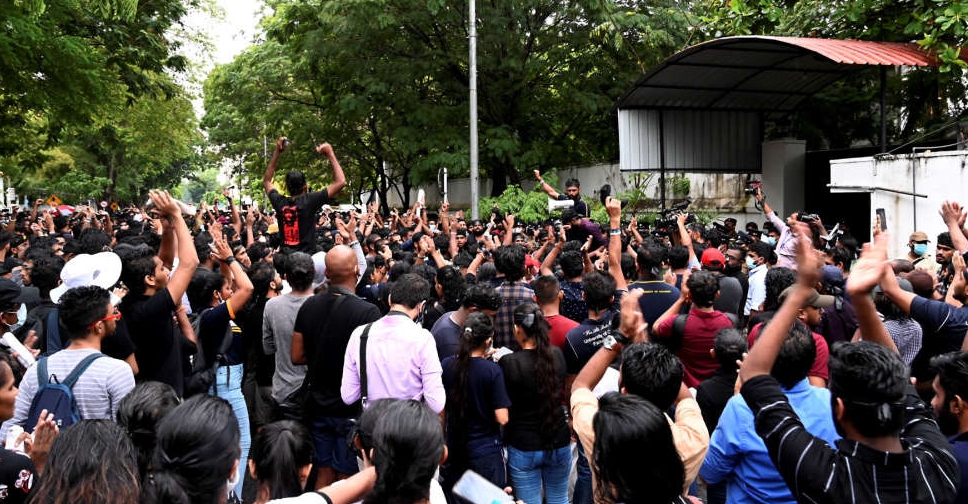
Sri Lankan doctors said they will hold a street protest in the commercial capital Colombo on Wednesday as hospitals run out of essential drugs because of the country's worst economic crisis in decades.
President Gotabaya Rajapaksa revoked a state of emergency late on Tuesday after dozens of lawmakers walked out of the ruling coalition, leaving his government in a minority in parliament as it struggles to quell protests against the crisis. The emergency was imposed on Friday.
People have been suffering from shortages of fuel, power, food and other items for weeks, and doctors say the entire health system could now collapse.
"We accept there is a massive financial crisis in this country, and we are now attempting to work to find solutions," education minister and leader of the house, Dinesh Gunawardena, told parliament.
"There are queues for everything, for gas, for fuel and kerosene. We understand the hardships of the people, but we have to use democratic means to restore calm."
The Government Medical Officers' Association, which represents over 16,000 doctors nationwide, said medics from across Colombo would gather at the National Hospital of Sri Lanka and protest "against the serious shortage of drugs".
Malaka Samararathna, who works at the state-run Apeksha Hospital which treats tens of thousands of cancer patients from across the country every year, said not only drugs but even chemicals used in testing are running short.
"The patients who are on chemotherapy, we have to monitor them carefully. Daily we have to monitor these investigations," Samararathna said.
"So, if we can't do it, we can't decide the way forward. We can't decide on the proper management. Sometimes our chemotherapy drugs are causing severe side effects, so the only way we have to find it is by doing these investigations."
He said cancer drugs like Filgrastim and Cytarabine, as well as some antibiotics, were in short supply.
Rajapaksa's various moves - including securing financial support from India and China - have failed to end the shortages or the spontaneous street protests across the country.
His finance minister resigned on Tuesday, a day after his appointment and ahead of crucial talks scheduled with the International Monetary Fund this month for a loan programme.
He dissolved his cabinet on Monday and sought to form a unity government, a proposal rejected by ruling and opposition parties.
There is such a paucity of funds that the country is temporarily closing some of its embassies.


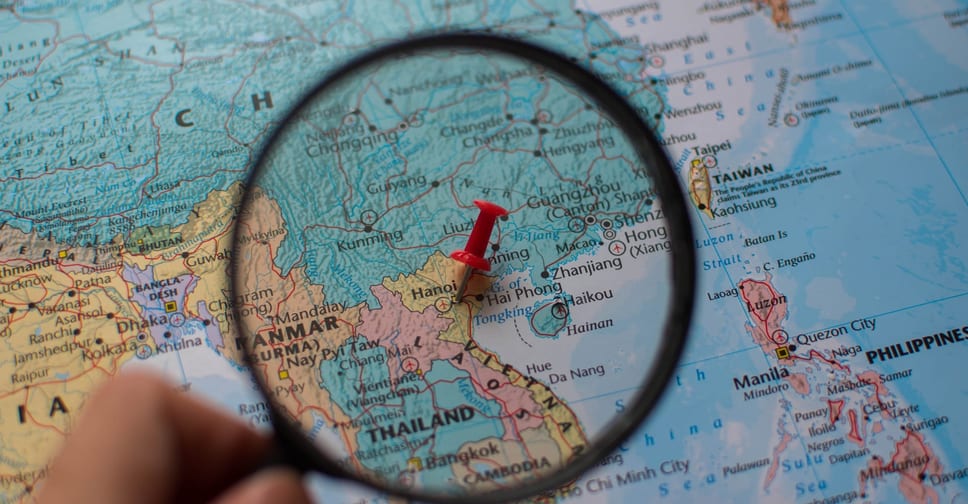 Explosion kills 6, injures 10 in Vietnam capital Hanoi
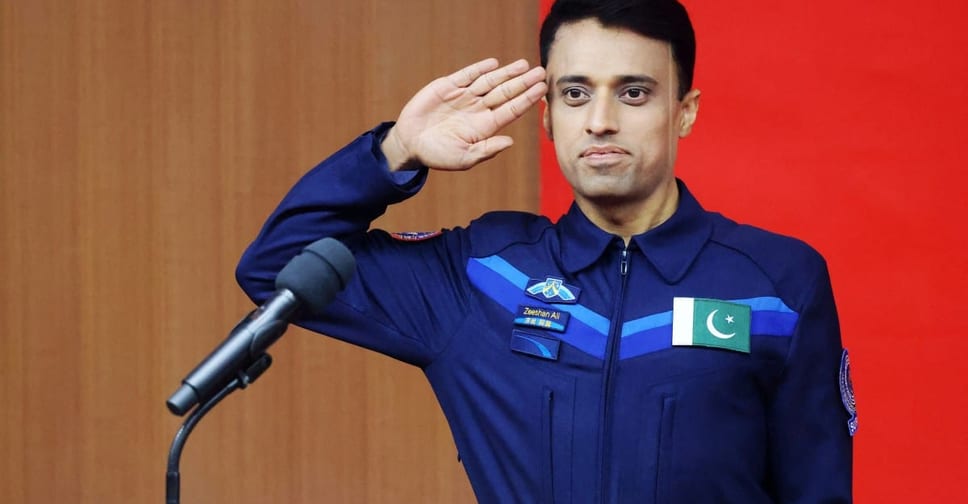 Pakistani pilot to become first foreigner to fly to China's space station
 Sheikh Hasina seeks to return to Bangladesh on December 16 on state carrier
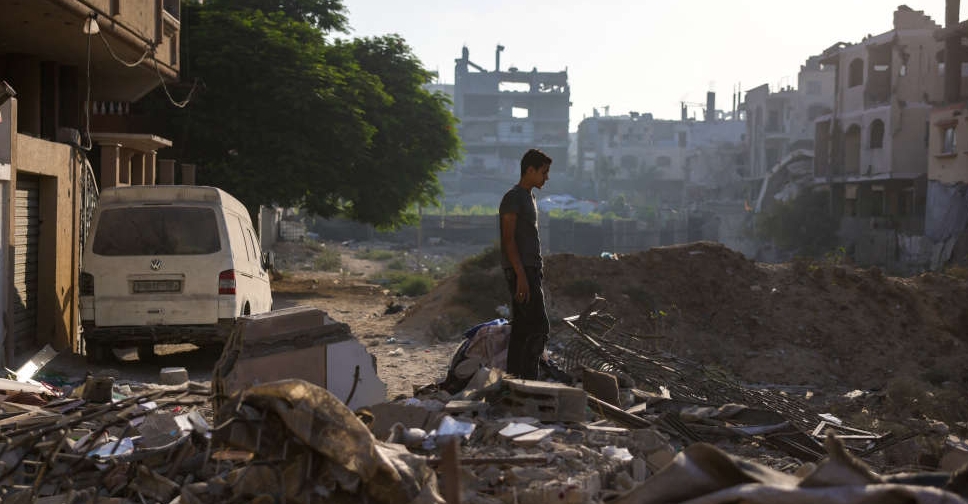 Israeli airstrikes kill at least six Palestinians in Gaza, medics say
 Israeli airstrike kills at least 3 Palestinians in southern Gaza, medics say
 South Korea toughens school exam rules after smart-device cheating scandal
 Russian attack on Ukraine's Dymer in Kyiv region kills 11, official says
 India announces $1.62 billion package for flood-hit Nepal