

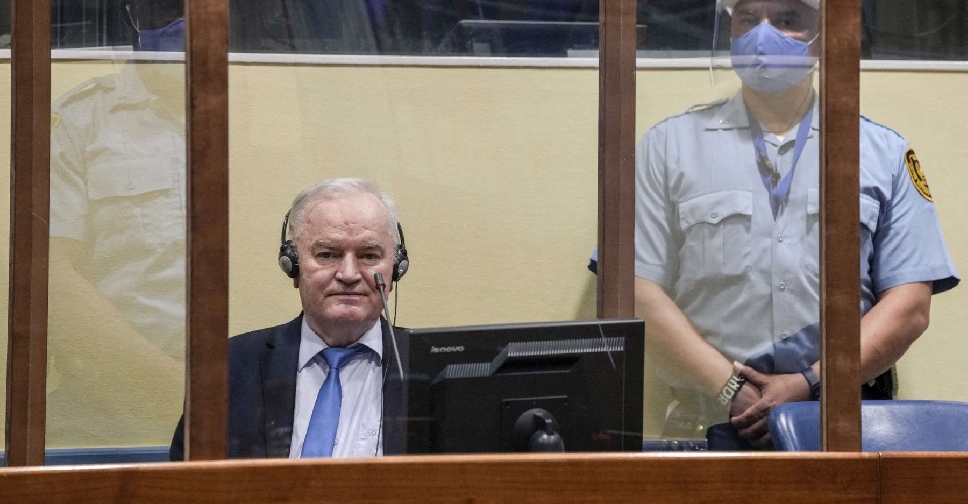
Bosnian Serb general Ratko Mladic, who was serving a life sentence for his role in the 1992-95 war in Bosnia has died, his lawyer said on Thursday.
He was convicted of genocide for orchestrating the 1995 massacre of at least 8,000 Muslims in a UN-designated "safe area" of Bosnia, Europe's worst atrocity since World War Two.
The octogenarian former general had been in ill health in the last few years and was hospitalised repeatedly.
He had been in the UN detention centre since his arrest in 2011.
The slaughter in Srebrenica was the grisly culmination of a war that had lasted over three years, in which the general pounded the besieged capital Sarajevo daily with the artillery, tanks, mortars and heavy machineguns of his nationalist Serb army, killing 10,000.
The dead from Srebrenica were bulldozed into mass graves over four days in July 1995, some of them dug up and relocated to remote mountains so as to hide evidence of the killings.
The goal, as determined by the United Nations International Criminal Tribunal for the former Yugoslavia (ICTY), was "ethnic cleansing" — the forcible expulsion of Bosnian Muslims, Croats and other non-Serbs to clear Bosnian lands for a Greater Serbia.
The tribunal found that Mladic, together with late Serbian President Slobodan Milosevic and Bosnian Serb political leader Radovan Karadzic, were part of a criminal conspiracy to implement the plan.
"I do not recognise this court," Mladic, dubbed the "Butcher of Bosnia" by his opponents, said at an ICTY hearing on his case in 2014. When he was sentenced to life in prison in 2017 he shouted: "This is all lies, you are all liars!"
Mladic died in UN custody on Thursday, his lawyer Dragan Ivetic said, without giving a cause.
He had spent his last months in the hospital ward of the UN detention centre holding him in a suburb of The Hague, Ivetic added.
According to his son, documents gave Mladic's date of birth as March 12, 1942, but he was actually born on March 8, 1943.
Karadzic, also convicted of genocide in 2016, and Mladic topped the ICTY wanted list for years after Western powers ended the war.
But until Milosevic was toppled by a popular uprising in 2000, Mladic lived securely — if discreetly — in Belgrade.
Milosevic died in detention on March 11, 2006, a few months before a verdict in his four-year tribunal trial for genocide and other war crimes in Croatia, Bosnia and Kosovo.
SON OF PARTISAN FIGHTER
The son of a World War Two partisan fighter killed in 1945, Mladic was an officer in the old communist Yugoslav People's Army (JNA) when Yugoslavia's disintegration began in 1991.
When Bosnian Serbs rose in 1992 against Bosnia's Muslim-led secession, Mladic was picked to command the new Bosnian Serb army that swiftly overran 70 per cent of the landlocked country.
Dozens of towns were besieged with heavy weapons that once belonged to the JNA and villages were burned down as 22,000 troops of the UN Protection Force stood by more or less helplessly, with orders not to take sides.
A combination of Western pressure, covert American arms and training for Croats and Muslims gradually turned the tide against Mladic's army. Determined NATO strikes did the rest.
Despite Western appeals, the reformists ruling Serbia after Milosevic's fall did not dare move against a man who was a hero to a core of nationalist Serbs.
Sporadic sightings put him at a Belgrade horse race or a football match.
When he was finally arrested in 2011, he put up no resistance. His right arm was lame, the apparent result of an untreated stroke.
He looked nothing like the burly general in camouflage who ruffled the hair of a Srebrenica boy in 1995.
He suffered a heart attack in 2013 and seemed older than his years. By his own account, he felt like a frail old man.
In his few court appearances, he wavered between self-pity, smiling defiance and vague distraction.
"I am a very sick man," Mladic pleaded to the court.
In 2019, Mladic told the judges that he was too ill to participate in outdoor exercises and requested leave to visit the graves of family members in Serbia. The request was denied.
His appeal against conviction was rejected in 2021, as were repeated requests for his release on compassionate grounds.
In August 2026, a UN doctor found Mladic's death "may occur at any time," possibly within weeks, but his application for release was again rejected as not in the interests of justice.

 Death toll mounts, more than 1,000 missing in Nepal and China after Himalayan flood
 Car rams into pedestrians in France, kills 1, injures 10
 Brazil sues Discord for $97 million over alleged failures to protect children
 Indonesia tightens security as students rally one year after deadly protests
 Wildfires kill 12 people across several Algerian provinces
 Trial for accused organiser of 9/11 attacks set for June 2028
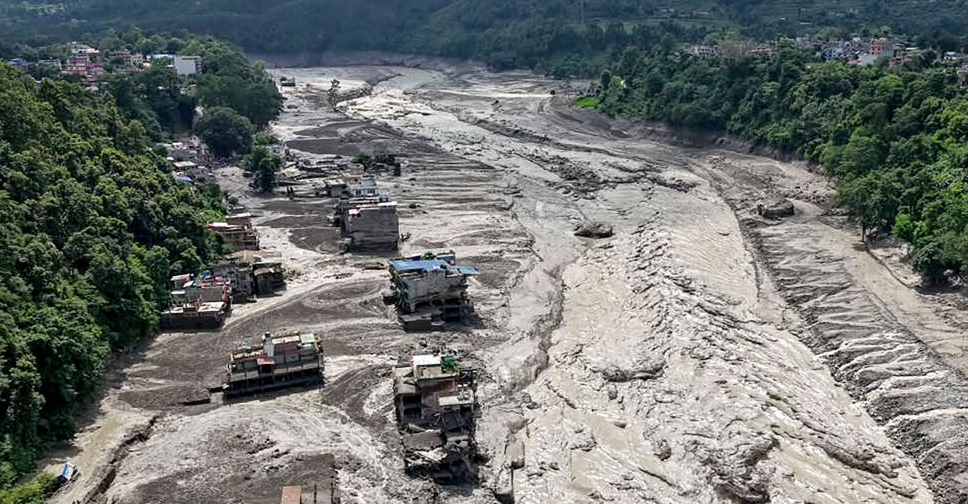 Hundreds missing after flash flood on Nepal-Tibet border, 157 bodies recovered
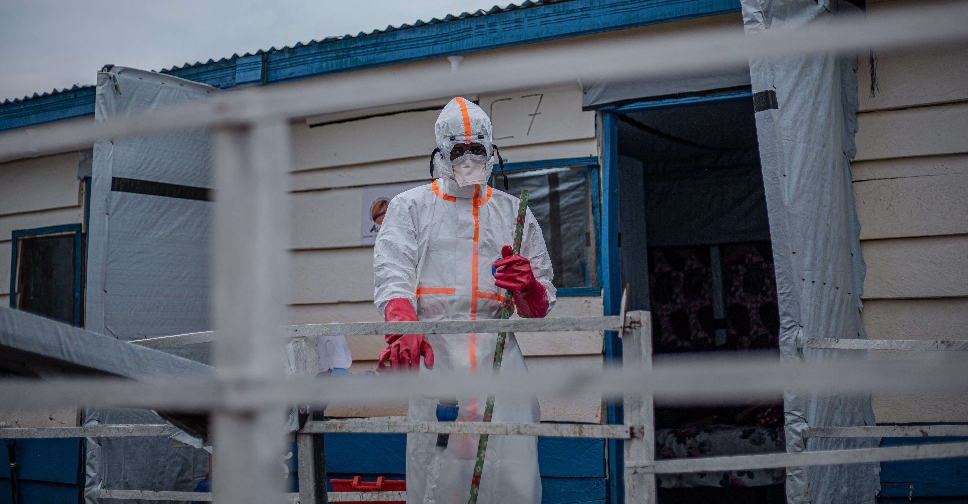 WHO says Ebola outbreak in Uganda is over, as cases rise in Congo