

Radiation levels in the Gulf region remain normal after the 12-day Israel-Iran conflict severely damaged several nuclear facilities in Iran, Director General Rafael Mariano Grossi of the International Atomic Energy Agency (IAEA) said.
Grossi noted that any significant radioactive release would have been detected by the 48-nation International Radiation Monitoring System (IRMIS).
He added that "Iran’s Bushehr Nuclear Power Plant and the Tehran Research Reactor represented our main concern as any strike affecting those facilities – including their off-site power lines – could have caused a radiological accident with potential consequences in Iran as well as beyond its borders".
"It did not happen, and the worst nuclear safety scenario was thereby avoided."
Grossi reiterated that nuclear facilities should never be attacked, and emphasised the need for IAEA inspectors to continue their verification activities in Iran.
He added that information from Iran’s Nuclear Regulatory Authority show there is no increased off-site radiation levels in the nuclear sites.

 Trump touts $5,000 payout if Republicans win as Vance waits in wings
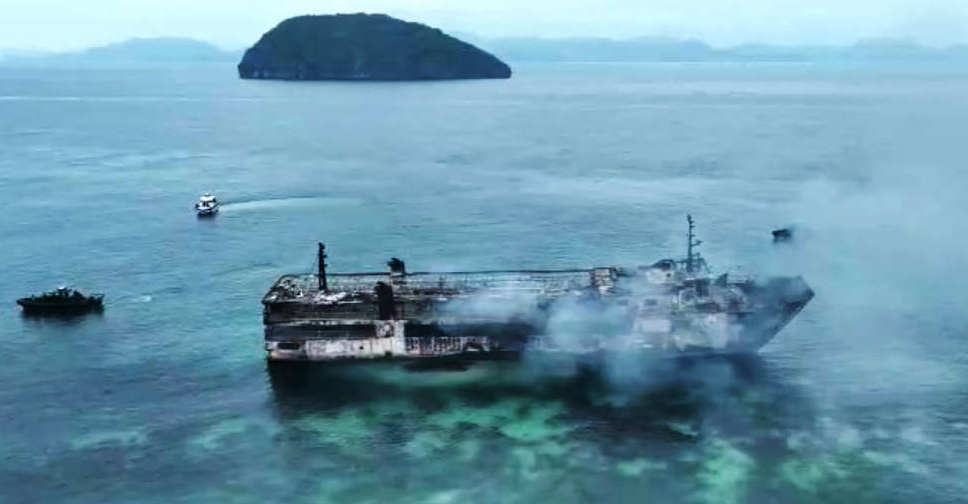 Search expands after Philippine ferry fire kills five and leaves dozens missing
 Trump says Iran war to end after US midterm elections
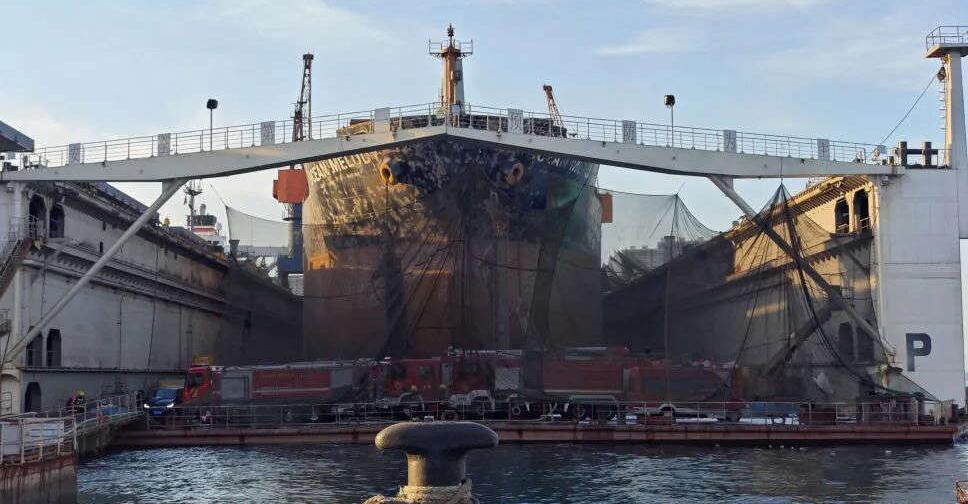 At least 20 killed in cargo vessel fire at China shipyard, state media reports
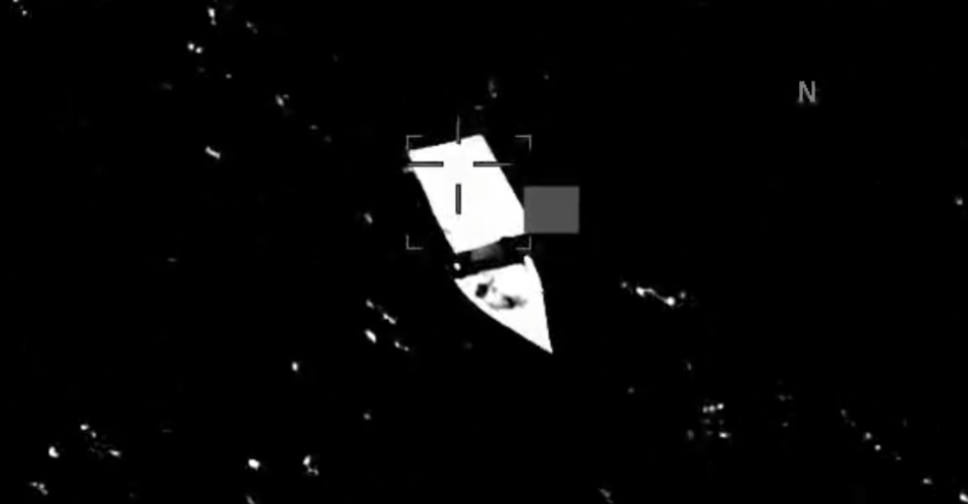 US military says it struck vessel in Caribbean, killing 3
 At least 14 killed in explosion at weapons depot in Syria
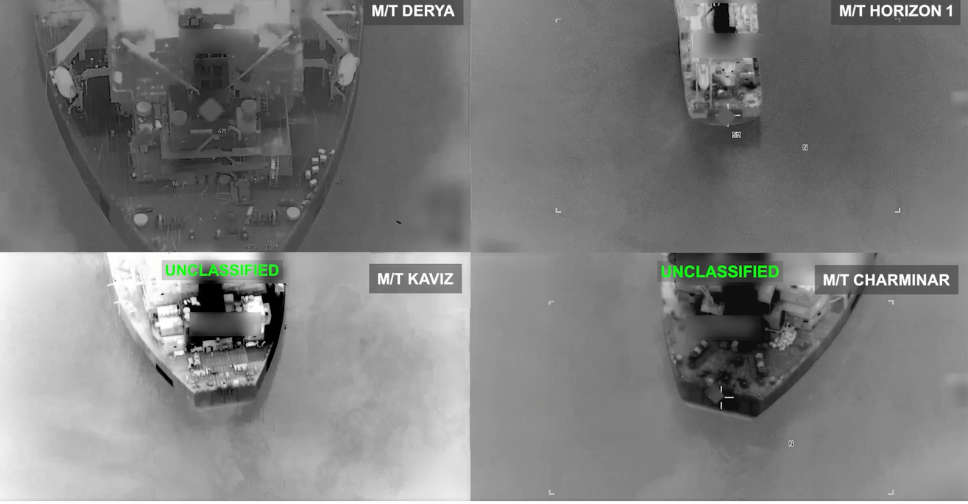 US hits five Iranian oil tankers after attack on Navy ships
 UK gives air traffic provider a week to probe outage that halted flights