


India’s Prime Minister Narendra Modi has officially inaugurated the Navi Mumbai International Airport — a state-of-the-art greenfield airport.
Developed under a public-private partnership, the project is being operated by Navi Mumbai International Airport Ltd., a joint venture between Adani Airports Holdings, which holds a 74 per cent stake, and CIDCO, the Maharashtra government’s urban development body.
Located in Ulwe, around 37 km from South Mumbai, the airport spans nearly 2,900 acres. It’s expected to ease the pressure on Mumbai’s existing international airport and position Navi Mumbai as a global hub for aviation and logistics.
The terminal design is inspired by the lotus, India’s national flower, and features striking architectural elements.
Phase one, launched on Wednesday, includes a single integrated terminal capable of handling 20 million passengers annually, with future expansion planned to boost capacity to 90 million.
It's expected to commence operations in December.
The facility includes two parallel runways, 66 check-in counters, 29 aerobridges, and fully digital, contactless processing through the Digi Yatra platform.
The cargo terminal is equally high-tech, with smart tracking, drone handling zone, and temperature-controlled storage for pharmaceuticals and perishables.
Navi Mumbai International Airport is also being touted as a smart and green airport, featuring 5G connectivity, solar power generation, rainwater harvesting, EV transport and a fully paperless, digital passenger experience.

 Explosion kills 6, injures 10 in Vietnam capital Hanoi
 Pakistani pilot to become first foreigner to fly to China's space station
 Sheikh Hasina seeks to return to Bangladesh on December 16 on state carrier
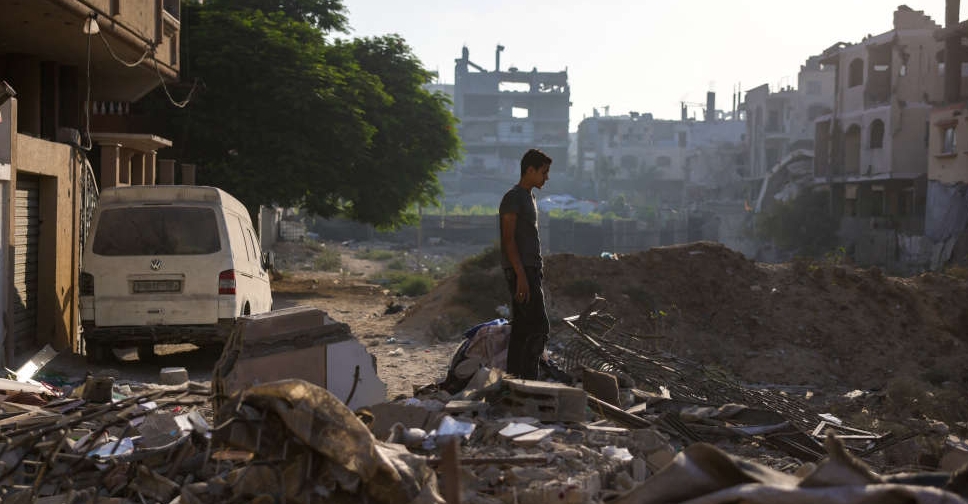 Israeli airstrikes kill at least six Palestinians in Gaza, medics say
 Israeli airstrike kills at least 3 Palestinians in southern Gaza, medics say
 South Korea toughens school exam rules after smart-device cheating scandal
 Russian attack on Ukraine's Dymer in Kyiv region kills 11, official says
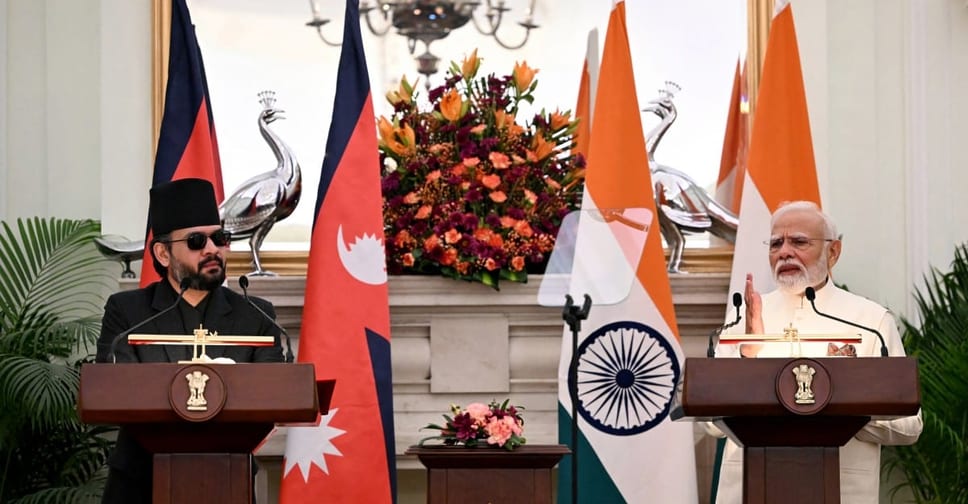 India announces $1.62 billion package for flood-hit Nepal