

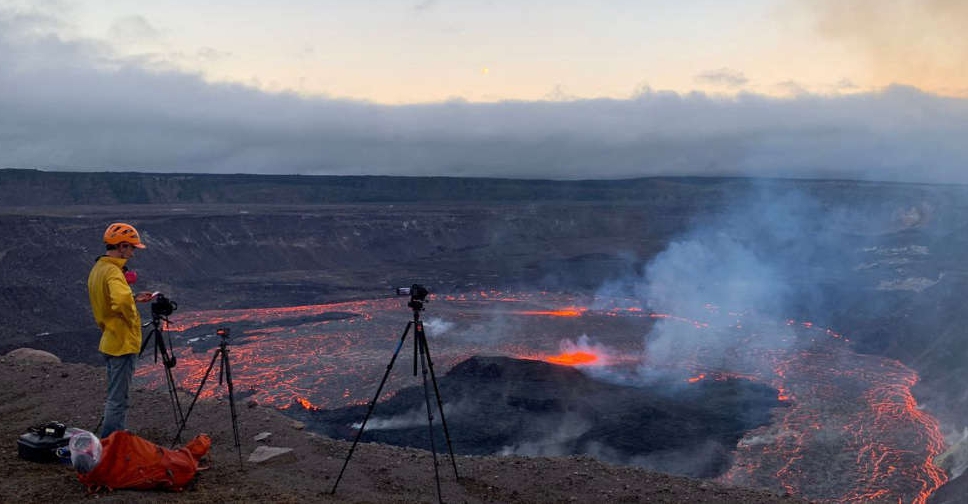
The Kilauea volcano in Hawaii has begun erupting, the U.S. Geological Service's volcanic activity notice said, after detecting a glow in the summit producing smog that is confined within the Hawaii Volcanoes National Park.
The volcano alert level was raised to 'Red' after an evaluation of the eruption and associated hazards, the notice said.
USGS said the volcanic gas, which consists of sulphur dioxide and other gases, could produce a visible haze of volcanic smog, known as 'vog', which has been observed in the downwind of Kilauea.
Vog has the potential to generate airborne health hazards for residents and visitors, causing breathing difficulties and also damaging agricultural crops.
Known to be the younger and more active neighbor of Mauna Loa, which erupted in November for the first time since 1984, the Kilauea volcano has been erupting since 2021.
However, Mauna Loa's eruption has had no impact and remains quiet, USGS said.


 Iran says no final decision made on deal
 Trump cancels US strikes on Iran, citing progress in talks
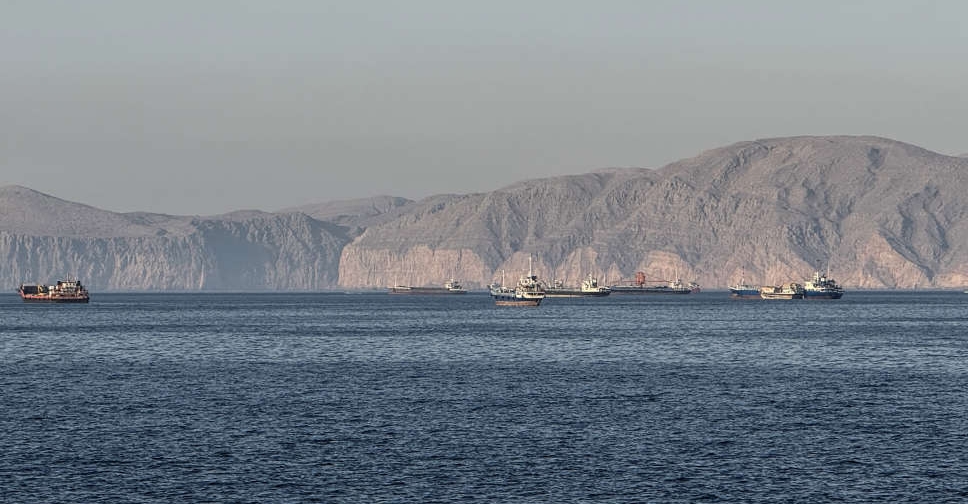 US confirms third strike on Indian-crewed tankers this week
 UK defence minister Healey quits, says PM Starmer's plans fail to keep country safe
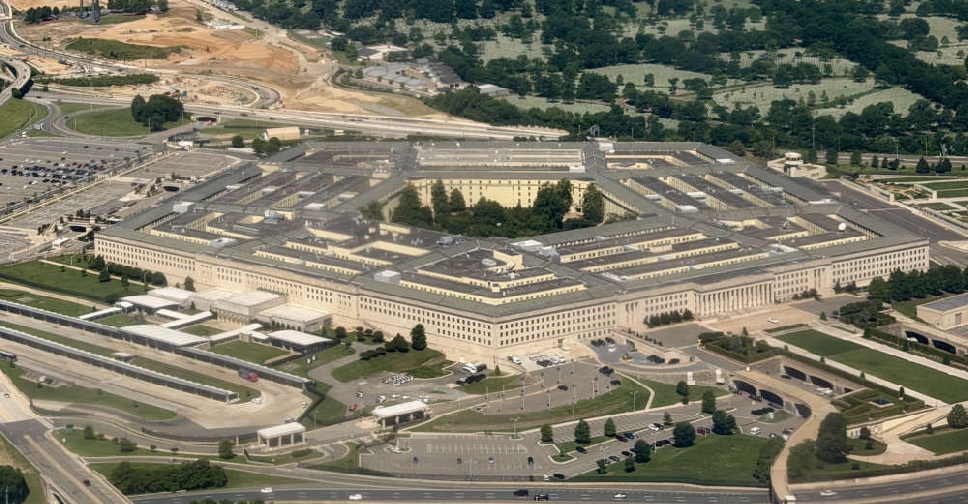 False alarm at the Pentagon triggers brief shelter-in-place order
 Trump says US will hit Iran 'very hard', take control of energy infrastructure
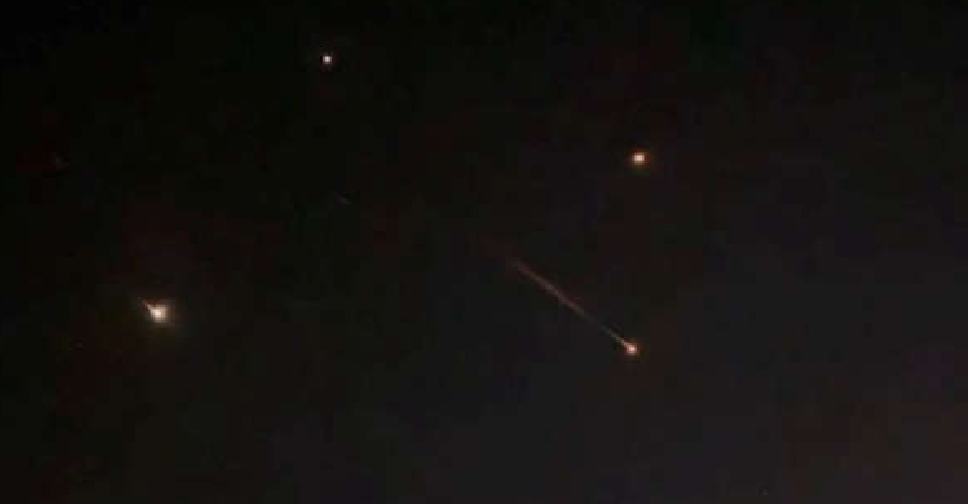 US and Iran trade attacks for a second day, undermining shaky ceasefire
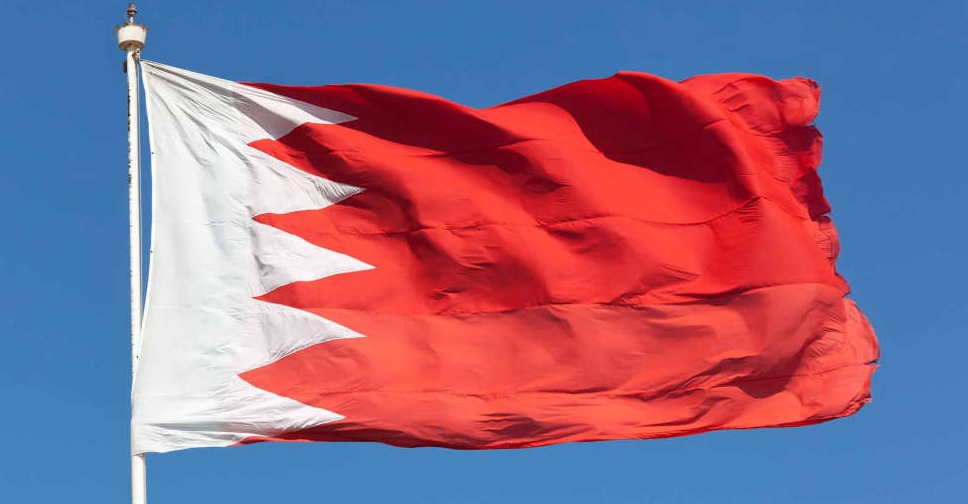 Bahrain says debris from intercepted Iranian drones injures child, damages homes