

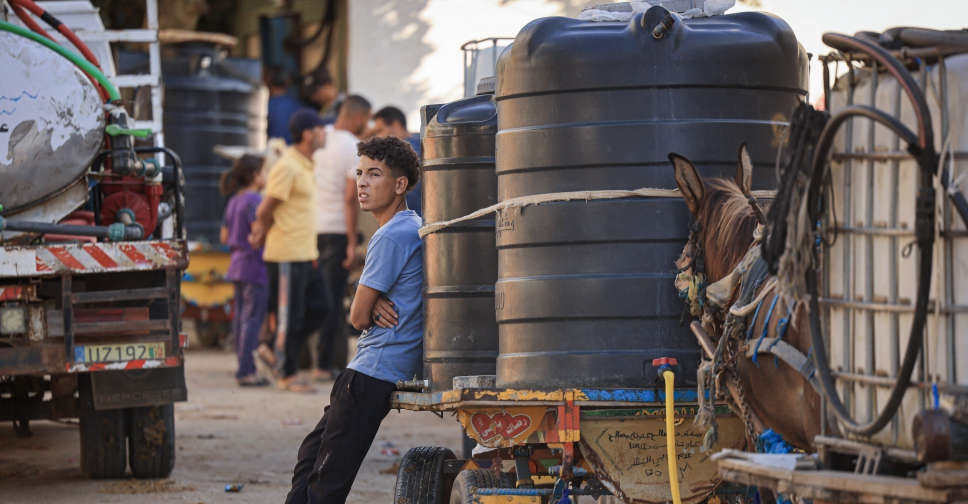
Severe fuel shortages in the Gaza Strip are affecting the population's water supply, the United Nations Children's Fund (UNICEF) has said.
The Fund told the UN Security Council on Monday that only one desalination plant is operating at five per cent capacity, while all six waste-water treatment plants are no longer functioning due to a lack of fuel or energy.
UNICEF called on the Council to immediately adopt a resolution reminding the parties of their obligations under international law. This included a ceasefire and unimpeded humanitarian access.
Meanwhile, a UN official warned that the current arrangement to bring humanitarian aid into Gaza through the Rafah border crossing with Egypt is "doomed to failure", condemning Israel’s imposition of "collective punishment" on the residents of the Strip.
"Let us be clear: the small number of aid convoys that were allowed to enter through Rafah does not compare to the needs of more than two million people stranded in Gaza," asserted Commissioner-General of the UN Relief and Works Agency for Palestine Refugees (UNRWA), Philippe Lazzarini.
According to a UN spokesman, 33 trucks carrying water, food and medical supplies entered the Gaza Strip on Sunday, noting that the number is "the largest since October 21" - the day the first aid entered the besieged strip.
About 500 trucks were entering the Gaza Strip every day before October 7, the UN estimated.


 US and Iran signal a peace deal is close
 Qatar rejects media report on energy production decisions
 Trump says Iran war deal close as Strait of Hormuz tensions linger
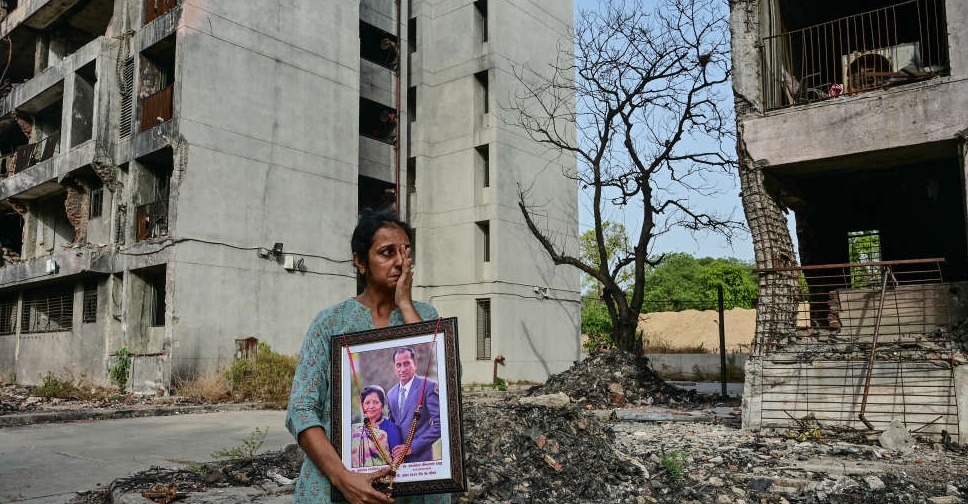 Victims' families mark Air India crash anniversary with prayers and tributes
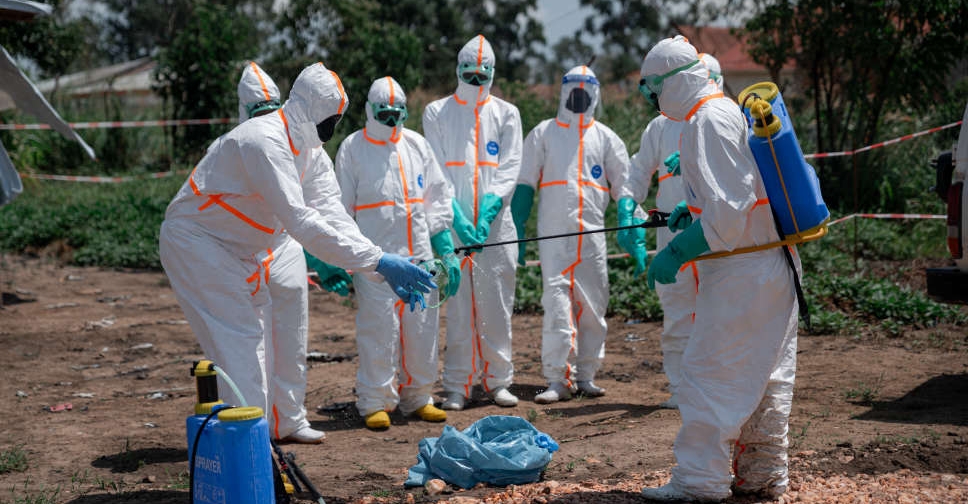 Ebola outbreak spreads to crowded displacement camp in Congo
 Fire breaks out at New Zealand's Wellington airport, disrupting flights
 Ukraine and Russia trade overnight drone strikes, officials say
 UN says Taliban arrest 30 women for violating hijab rules in Afghanistan