

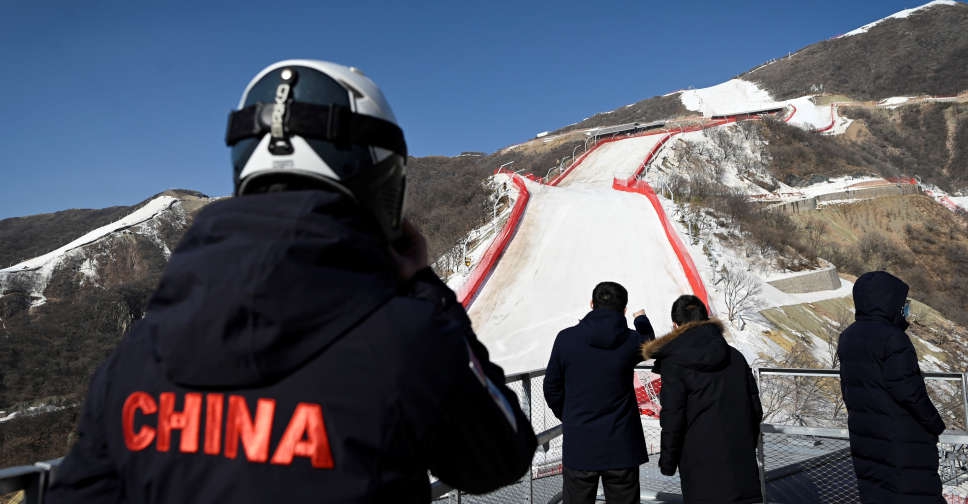
China's latest COVID-19 outbreak has forced the capital Beijing to delay its annual marathon race and step up other curbs, as the sprawling city and neighbouring Hebei province go into high gear in their preparations for the 2022 Winter Olympics Games.
China reported 35 new domestically transmitted cases for Sunday, official data showed on Monday. Beijing accounted for 14 of the 168 cases reported between October 17-24.
National health officials warned on Sunday that the latest cluster, caused by the highly transmissible Delta variant and involving many carriers who recently travelled across some provinces, is increasingly likely to expand further.
Beijing has banned entry of people from other cities with cases, and closed indoor venues such as some chess and card parlours, even in districts without infections.
The decision to postpone the Beijing marathon, which had been due to take place on October 29-30, follows a similar decision in the central city of Wuhan, which hasn't reported any local infections.
Although the infection numbers are far smaller than many places outside China, authorities have adopted a zero-tolerance strategy, aggressively tracking potential infections, imposing travel restrictions and curbs on tourism and service sectors.
In Hebei province, which has reported only three local confirmed cases so far in the ongoing flare-up, people commuting between two county-level areas and the Beijing city are required to show proof of employment and negative test results within seven days of travel.
Baoding city in Hebei said on Monday it required people who intend to visit venues of Winter Olympics events in Beijing and in Hebei's Zhangjiakou city to have proof of negative test results within 48 hours.
Baoding reported two local asymptomatic infections for October 21, which China counts separately from confirmed cases.
A few cities in Hebei, including those without local infections, have advised residents not to leave town for unnecessary reasons.
In Hebei's capital Shijiazhuang city, a marathon race was delayed after one local case was found for October 23.
Ejina Banner, a small division in the autonomous Chinese region of Inner Mongolia and one of the hardest hit areas in the outbreak, has toughened measures by demanding residents and travellers to stay indoors from Monday. It banned outbound travel since last week.
A few provinces and cities in China said they are starting to vaccinating children aged 3-11 against COVID-19, while 76 per cent of China's 1.4 billion population have already received complete doses and eligible people are getting one booster shot.
Since the first outbreak of the virus was identified in Wuhan in late 2019, mainland China has reported a total 96,797 confirmed COVID-19 cases, including some that arrived from abroad, and the death toll remains unchanged at 4,636.


 Trump touts $5,000 payout if Republicans win as Vance waits in wings
 Search expands after Philippine ferry fire kills five and leaves dozens missing
 Trump says Iran war to end after US midterm elections
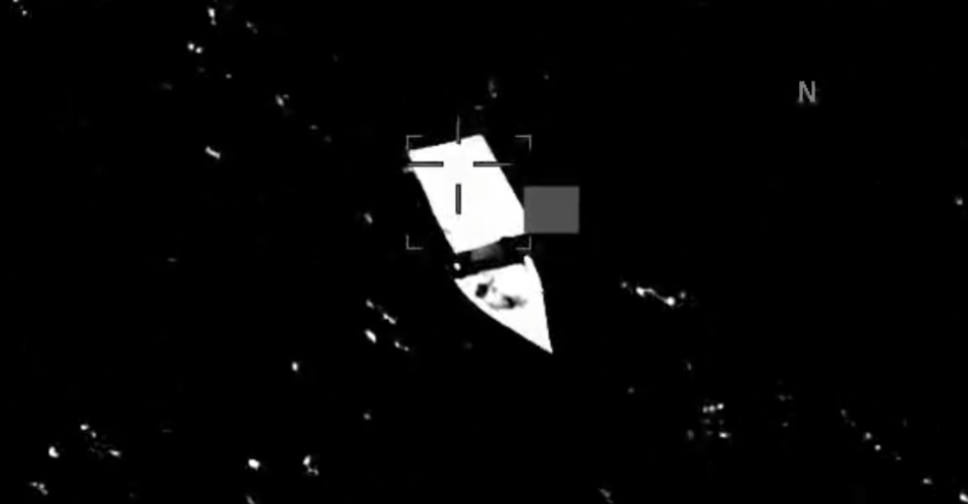 US military says it struck vessel in Caribbean, killing 3
 At least 14 killed in explosion at weapons depot in Syria
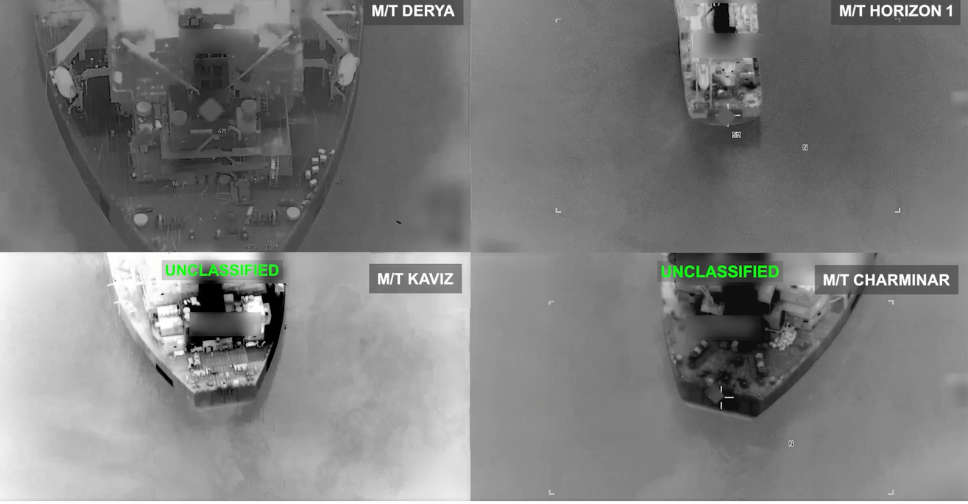 US hits five Iranian oil tankers after attack on Navy ships
 UK gives air traffic provider a week to probe outage that halted flights
 Serbia's President Vucic dissolves parliament, calls snap elections