


Organisation of Petroleum Exporting Countries (OPEC)’s chief warned of prolonged instability in the oil market if the producer group and other major crude suppliers fail to act jointly to limit output and curb a global glut. An inability of the OPEC to implement the deal it reached in Algiers in September will have “negative consequences on the already fragile state of the industry,” OPEC Secretary-General Mohammed Barkindo said Tuesday at a briefing in Abu Dhabi. Markets are “eagerly awaiting” combined action by OPEC and non-OPEC producers, he said. “Failure to jointly act with our non-OPEC colleagues and friends in accordance with the Algiers accord will further elongate this period of very low growth, this period of instability in the market, and will put forward, further, the re-balancing process,” Barkindo said, adding that he didn’t wish to sound “like a prophet of doom.” The Algiers agreement helped push oil prices to a 15-month high above $50 a barrel, but crude has subsequently fallen as several OPEC states disputed production estimates that would determine the size of cuts required of the group’s individual members. OPEC wants to put the changes into effect when it meets in Vienna on November 30. (Anthony DiPaola, Mahmoud Habboush and Sam Wilkin/Bloomberg)

 Indian state shuts some Domino's, Pizza Hut outlets, citing hygiene lapses
 ADNOC's XRG advances global gas strategy with Venezuela entry
 Iger, Kushner purchasing Lakers for record $12.5 billion
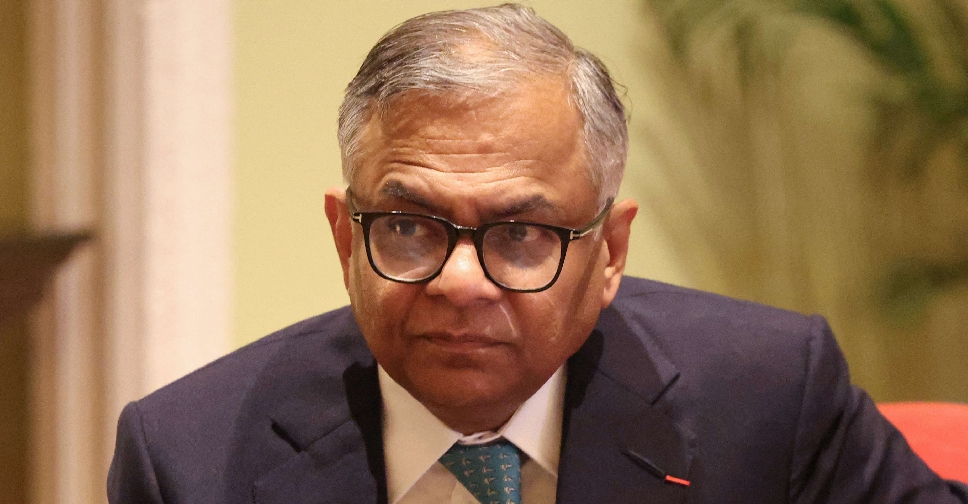 Chair of India's Tata to step down after tension with controlling charity
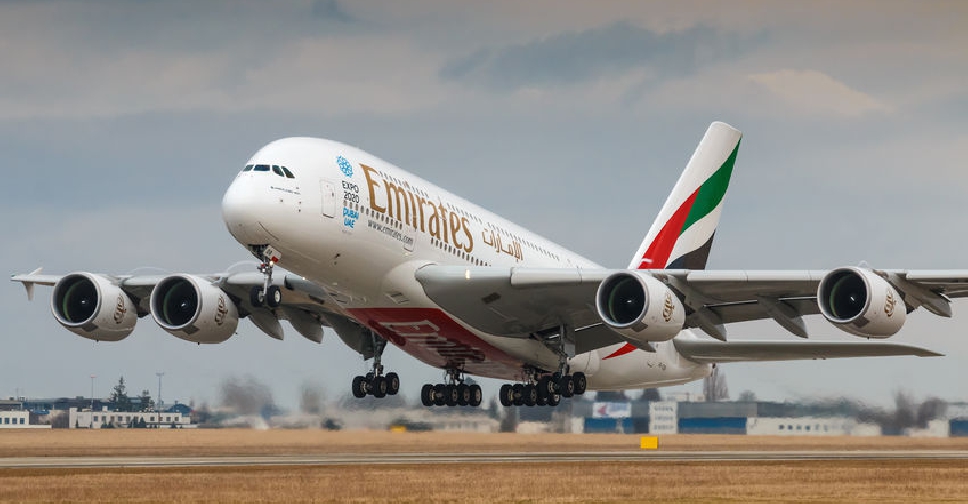 Emirates offers flyers to Dubai unlimited free date changes