

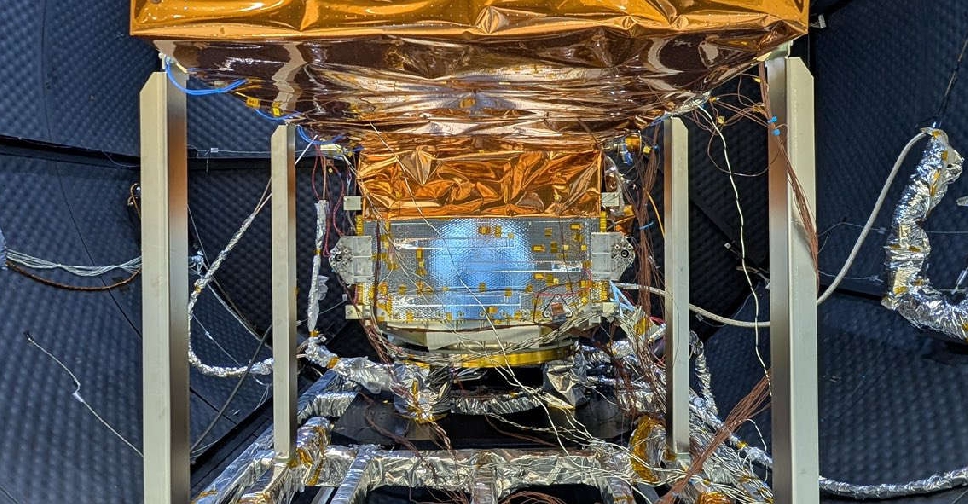
The UAE's Etihad-SAT is set to launch aboard SpaceX's Falcon 9 rocket on March 15, Saturday, at 10:39 a.m. (UAE time) from the Vandenberg Space Force base in California.
The satellite is the first Synthetic Aperture Radar (SAR) satellite to be launched by the UAE and was developed in collaboration with South Korea’s Satrec Initiative.
The satellite will provide high-precision Earth observation, day or night, in any weather. By using radar signals, the satellite will capture detailed images of the Earth's surface, even through clouds, darkness or rain.
The development of the satellite began two years ago as part of a knowledge transfer programme in collaboration with Satrec Initiative.
The MBRSC team initially focused on defining its specifications and requirements before moving to the preliminary design and technical testing phase to ensure compliance with the highest industry standards.
The SAR technology enables uninterrupted, consistent data collection to support a variety of industries, from detecting oil spills and managing natural disasters to enhancing maritime navigation, supporting smart agriculture, and conducting environmental monitoring.
Etihad-SAT will offer three imaging modes: spot mode for high-resolution imaging, scan mode for large-area coverage, and strip mode for extended observation.
Etihad-SAT SAR satellite is targeted to launch tomorrow at 10:39 am (UAE time). Live coverage starts at 10:15 am.
— MBR Space Centre (@MBRSpaceCentre) March 14, 2025
Watch the launch: https://t.co/UpeGcR4zkk#EtihadSAT pic.twitter.com/1JV8cYPMen

 Sheikh Abdullah condemns attacks on civilian infrastructure in region
 UAE President and US Senator discuss regional developments
 UAE 'will emerge stronger' says H.H. Sheikh Mohammed, Cabinet approves new strategies
 UAE universities to begin phased return to in-person learning
 UAE responds to further missile, drone threats on Sunday
 16 ballistic missiles, 42 drones intercepted on Sunday
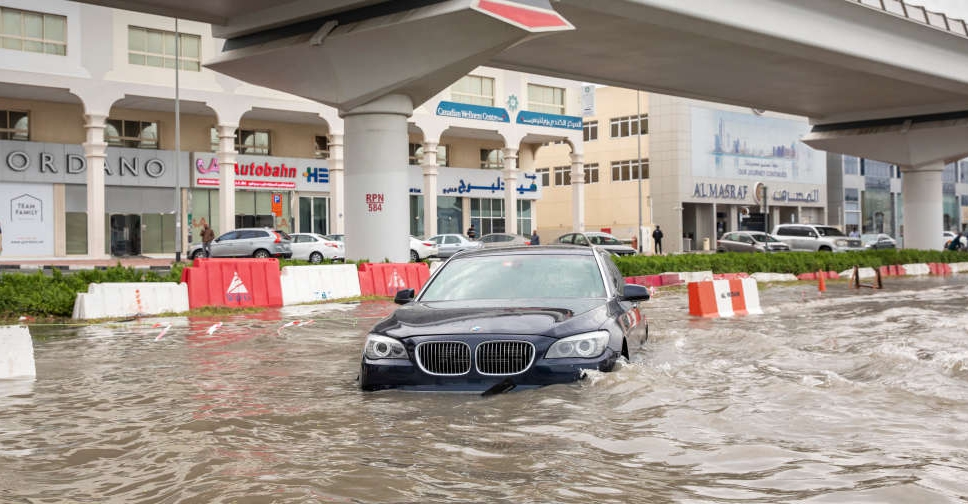 Dubai Police issues 720 certificates for weather-affected vehicles
 Gargash: Political solution needs guarantees against repeat Iranian attacks