


Over 1,200 cases of internet begging were detected by the UAE Cybersecurity Council in 2024, as a warning comes of fraudulent donation campaigns exploiting social media, particularly during the holy month of Ramadan.
The Head of Cybersecurity of the UAE Government, Dr. Mohamed Al Kuwaiti, has highlighted the growing threat of digital begging, where fraudsters manipulate public sentiment using fake accounts, emotional videos, and deepfake technology to impersonate real individuals and solicit donations from unsuspecting victims.
He stressed that cybersecurity measures play a crucial role in countering these scams, utilising advanced technologies to detect fraudulent accounts, analyse suspicious patterns, and track illicit financial transactions.
Authorities are collaborating with security agencies and financial institutions to shut down fake accounts and prosecute offenders.
Al Kuwaiti urged the public to verify donation requests and report suspicious online begging to authorities. The UAE Cybersecurity Council has also advised against donating through unverified social media accounts, emphasising the importance of using only licenced organisations.
The council also warned of phishing attempts aimed at stealing personal and financial data, urging vigilance against deceptive messages, unverified links, and urgent donation appeals.

 H.H. Sheikh Mohammed pays tribute to UAE President in personal message
 UAE joins 7 other countries in rejecting displacement of Palestinians from Gaza
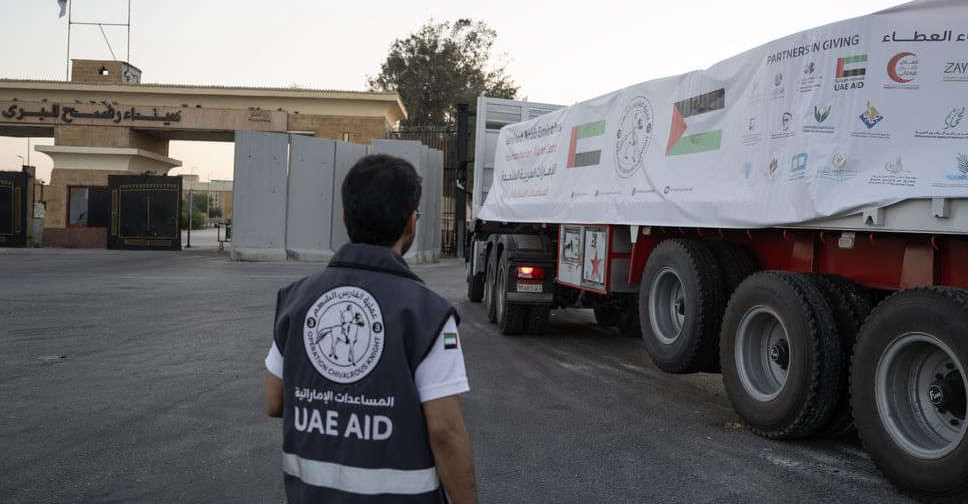 Five UAE aid convoys enter Gaza carrying 533 tonnes of supplies
 UAE search and rescue team begins field operations in flood-hit Nepal
 Dubai Police completes 104 technology projects in a year
 UAE leaders meet with King of Bahrain to discuss regional issues
 New RTA development at Al Qiyadah Intersection cuts traffic by 15 per cent
 UAE President sends Emir of Kuwait invitation to 2026 UN Water Conference