

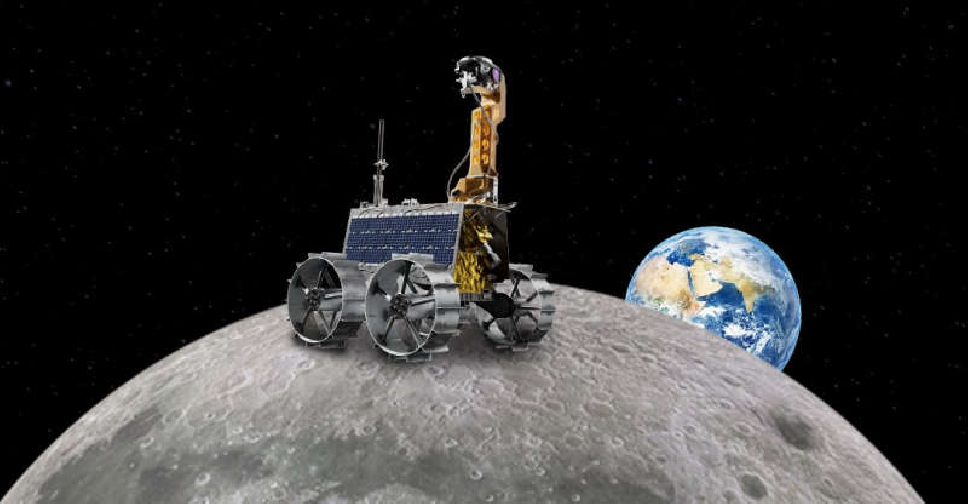
Engineers at Japanese startup ispace are "currently working on a detailed analysis" after they lost contact with Hakuto-R Mission 1 (M1) lander, carrying the UAE's Rashid Lunar Rover, during their first moon landing attempt.
In a statement, ispace said its engineers "will clarify the details after completing the analysis" after the Hakuto-R Mission 1 (M1) lander failed to communicate with ground control following its attempted landing on the Moon's surface on Tuesday evening.
Based on currently available data, ispace engineers have determined "there is a high probability that the lander eventually made a hard landing on the Moon’s surface".
During a press conference on Wednesday, Chief Technology Officer Ryo Ujiie said the Hakuto-R Mission 1 (M1) lander had unexpectedly accelerated and probably crashed on the lunar surface. It was possible that as the lander approached the moon, its altitude measurement system had miscalculated the distance to the surface.
"It apparently went into a free-fall towards the surface as it was running out of fuel to fire up its thrusters," he explained.
Speaking to Dubai Eye 103.8's The Agenda, Salem Humaid Al Marri, Director General of Mohammed bin Rashid Space Center (MBRSC) revealed what went wrong.
Read more (3/3): https://t.co/g5TA5UdPU7#ispace #HAKUTO_R #lunarquest
— ispace (@ispace_inc) April 26, 2023
In a statement released on Twitter, the Mohammed bin Rashid Space Center (MBRSC) commended the remarkable efforts of the mission partner iSPACE for "tirelessly working towards the goal of landing safely on the lunar surface".
They added that the team at MBRSC is still proud of the achievements, including developing a rover and becoming the first Emirati and Arab lunar mission to enter the Moon's orbit.
An official announcement by the Mohammed Bin Rashid Space Centre on the Emirates Lunar Mission "Rashid Rover". pic.twitter.com/P63JQCZ2PA
— MBR Space Centre (@MBRSpaceCentre) April 26, 2023
Takeshi Hakamada, Founder and CEO of ispace, said they did not "expect to complete the lunar landing at this time".
However, the firm believes they "have fully accomplished the significance of this mission, having acquired a great deal of data and experience by being able to execute the landing phase.
"What is important is to feed this knowledge and learning back to Mission 2 and beyond so that we can make the most of this experience," he added.
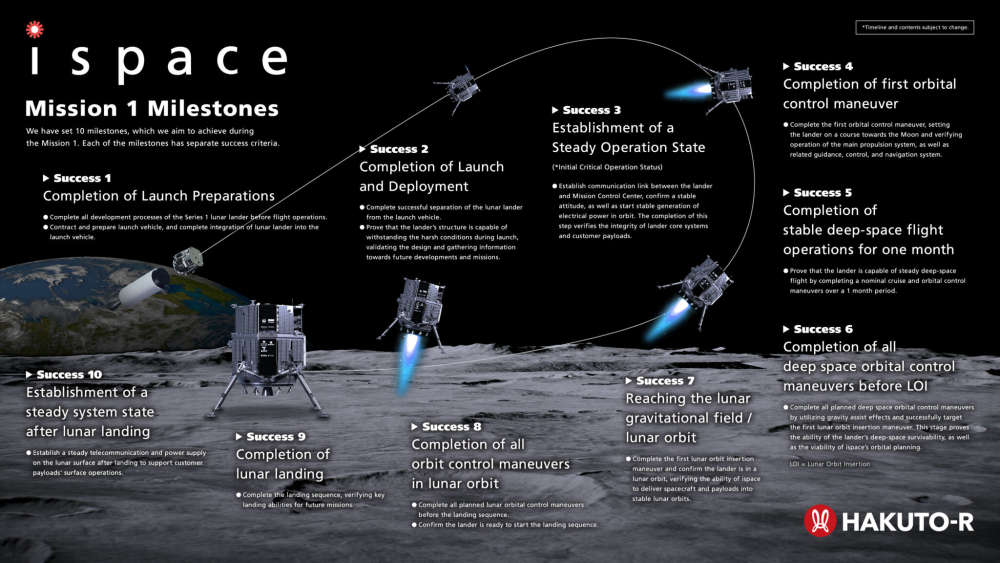
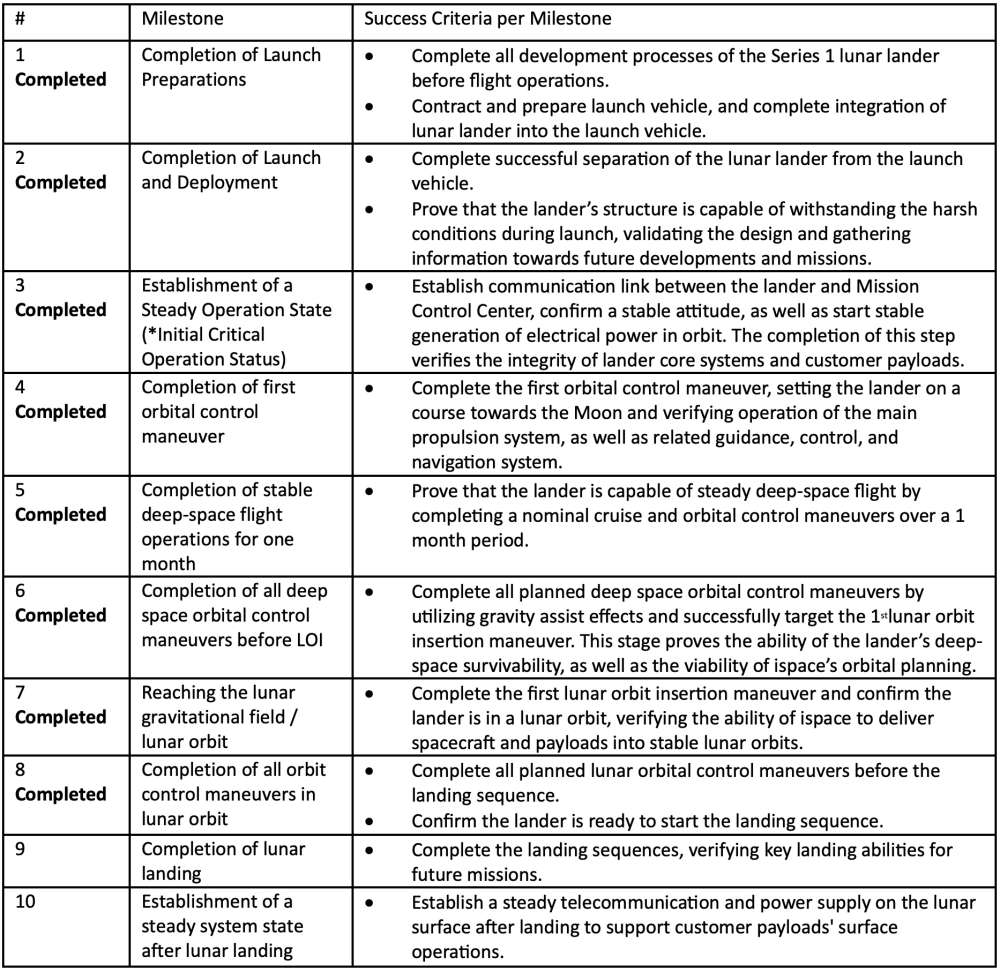
In their statement, ispace said they will continue to make the most of the data and know-how acquired during the operation with the aim to dramatically improve the technological maturity of Mission 2 in 2024 and Mission 3 in 2025.


 UAE leaders meet with King of Bahrain to discuss regional issues
 New RTA development at Al Qiyadah Intersection cuts traffic by 15 per cent
 UAE President sends Emir of Kuwait invitation to 2026 UN Water Conference
 Dubai Police reunites missing 6-year-old with family in 30 minutes
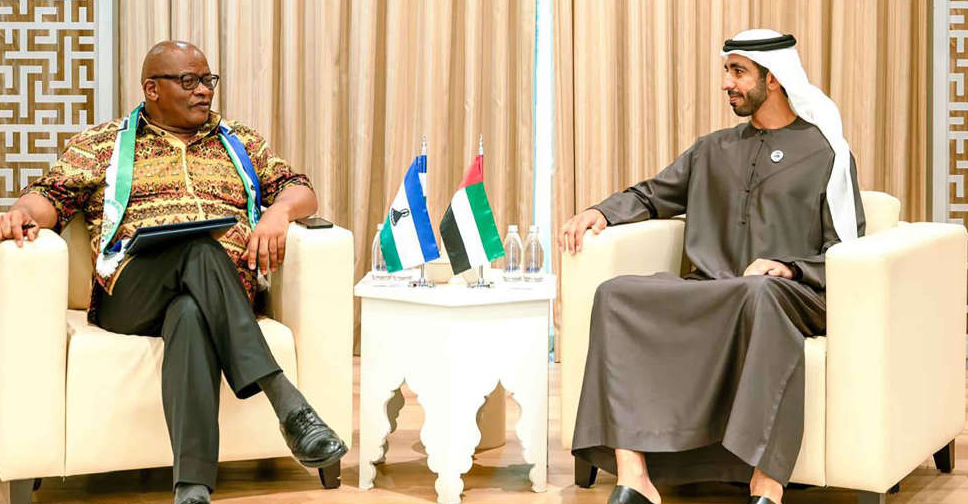 UAE's Shakhboot bin Nahyan holds talks with Lesotho's Minister of Foreign Affairs
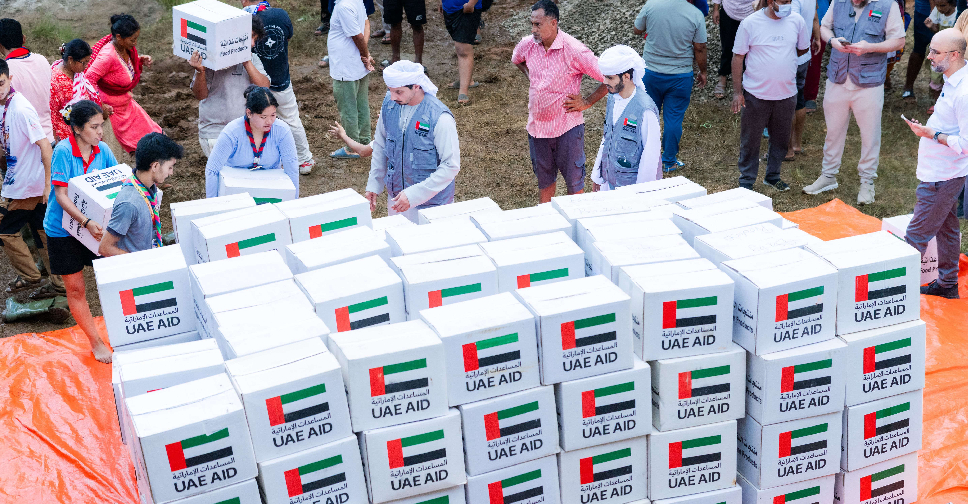 UAE steps up relief efforts for flood, landslide victims in Nepal
 UAE, Turkey Presidents review regional developments
 Dubai Police reintegration programme delivers sharp drop in youth misconduct