

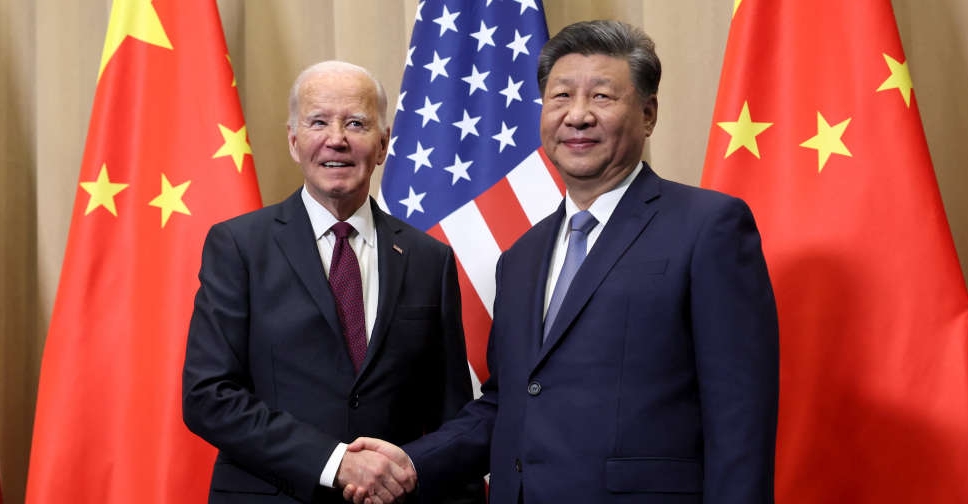
Chinese President Xi Jinping vowed on Saturday to work with the incoming US administration of Donald Trump as he held his final talks with outgoing President Joe Biden on conflicts from cyber crime to trade, Taiwan, the South China Sea and Russia.
Biden met Xi for about two hours at a hotel where the Chinese leader was staying, on the sidelines of the Asia-Pacific Economic Cooperation forum in Lima, Peru, for their first talks in seven months.
"China's goal of a stable, healthy and sustainable China-US relationship remains unchanged" after Trump's election, Xi said as he met Biden, acknowledging "ups and downs" between the countries. "China is ready to work with the new US administration to maintain communication, expand cooperation and manage differences."
Biden told Xi that the two leaders have not always agreed but their discussions have been "frank" and "candid."
Two months before Trump returns to the White House, US officials see magnified risks of conflict during the transition. Biden told Xi that maintaining leader-to-leader talks would be vital even after he left office, said Biden national security adviser Jake Sullivan.
The president-elect has vowed to adopt blanket 60 per cent tariffs on US imports of Chinese goods as part of a package of "America First" trade measures. Beijing opposes those steps. The Republican also plans to hire several hawkish voices on China in senior roles, including US Senator Marco Rubio as secretary of state and Representative Mike Waltz as national security adviser.
Biden has aimed to lower tensions with China, and there were few signs of a breakthrough on the major issues.
But Biden and Xi did agree that human beings, not artificial intelligence, should make decisions over the use of nuclear weapons, according to the White House, the first time the countries are known to have raised the issue.
The US and Chinese presidents also talked about North Korea, an ally of China whose deepening ties with Russia and deployment of troops in Moscow's war with Ukraine have raised concerns in Washington, Beijing and European capitals.
"President Biden pointed out that the (People's Republic of China's) publicly stated position with respect to the war in Ukraine is there should be no escalation, no broadening the conflict, and the introduction of (Democratic People's Republic of Korea) troops runs foursquare against that," said Sullivan.
"He also pointed out that the PRC does have influence and capacity, and should use it to try to prevent a further escalation or further expansion of the conflict with the introduction of even more DPRK forces."
Other major issues raised at the meeting included a recent China-linked hack of the telephone communications of US government and presidential campaign officials, stepped-up pressure by Beijing on Taiwan and in the South China Sea, as well as Chinese support for Russia. Biden also raised the cases of Americans he believes are wrongly detained in China.

 Iran sends missiles into Israel, dismisses Trump's talk of negotiations as 'fake news'
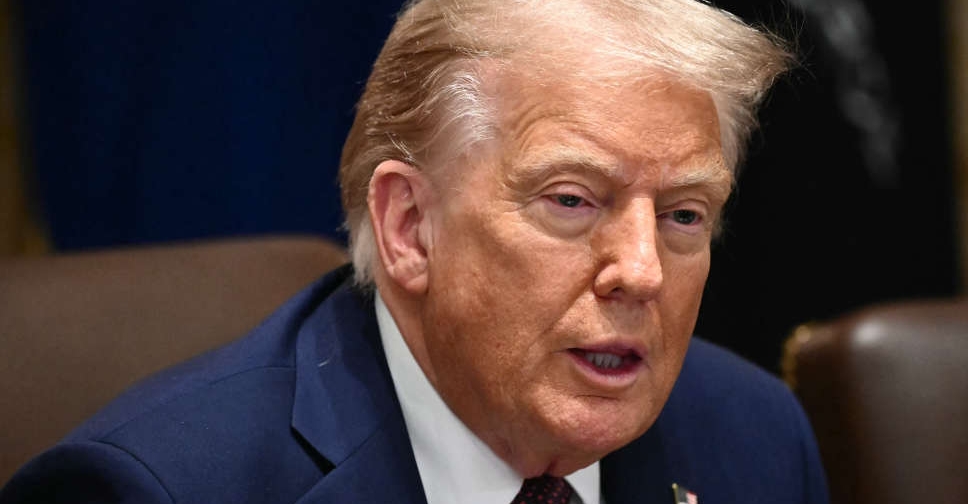 Iran denies talks with US after Trump postpones strikes on power grid
 Israeli minister calls for annexation of southern Lebanon
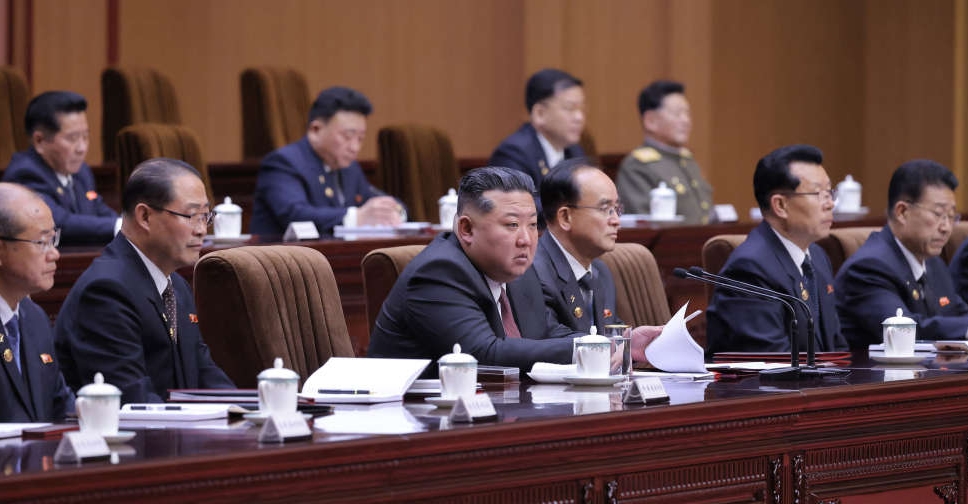 Kim Jong Un says North Korea’s nuclear status is irreversible, threatens South
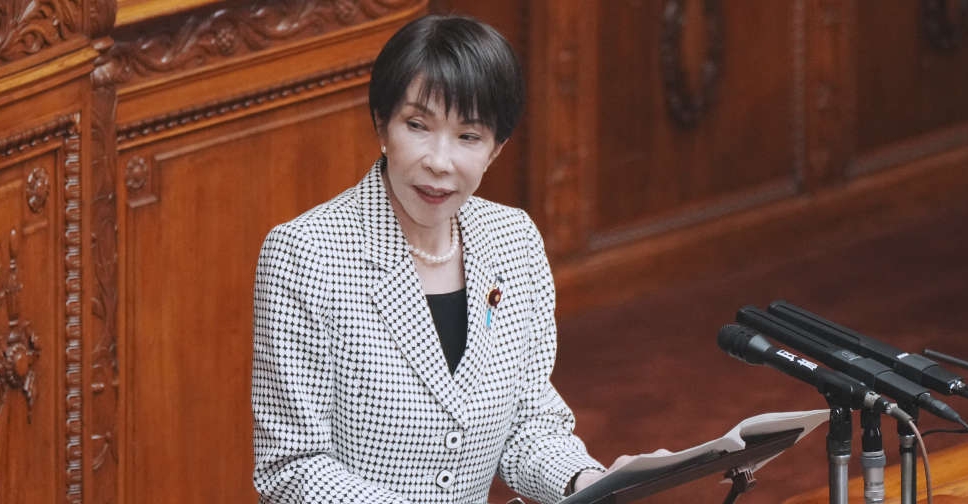 Japan to start releasing oil from joint stockpiles by end-March, PM says
 Death toll nearly doubles to 66 in Colombian military plane crash
 Seven overhead power lines out of service due to falling debris in Kuwait
 Airstrikes on Iraqi site kill 10 fighters including commander