
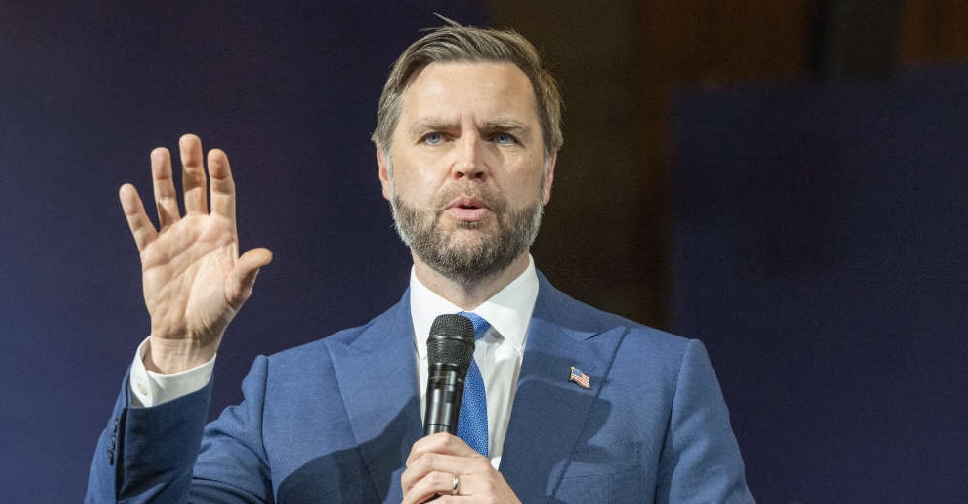
United States Vice President JD Vance hailed a "historic" first meeting that saw "progress" as US-Iran peace talks began at a Swiss mountaintop resort on Sunday.
The Iranian and US delegations initially met Qatari and Pakistani mediators ahead of the four-way meetings.
The talks in the Buergenstock resort in Switzerland were the first to be held under the terms of a memorandum of understanding agreed a week ago.
Speaking after the first round of talks concluded, Vance thanked US President Donald Trump for "empowering us to find a diplomatic resolution to a host of issues that matters to the American people, but I think the world.
"The opening of the Strait of Hormuz, the ending of the Iranian nuclear programme, all of these things have already been accomplished. The question before us now is, how much more can we accomplish together? Can we turn over a new leaf?
"Can we change relations in the Middle East permanently? Or do we go back to doing things the old way, which is not our preference.
"I think it's important for the American people, but people all over the world to appreciate that what's brought us to this moment is the President's leadership and the President's willingness to see a Middle East that is much different 10 years from now than it was 10 years ago.
"And what we're trying to accomplish here is something very simple. Through diplomacy, through working together, to transform the Middle East. Now, we see a future where everybody can work together to promote peace and prosperity for everyone.
"This is a historic meet. Never before has the Iranian and American leadership met at such a high level.
"What the President has asked us to do is turn over a new leaf to transform our relationship with the people of Iran and to extend an outstretched hand that says if your leadership is willing to give up being a driver of regional instability, if they are willing to give up nuclear weapons ambitions for the long term, then the United States is willing to fundamentally transform our relationship with that country.
"That is certainly our goal. We've already made great progress over just the last few hours, and I expect it will make additional progress in the hours to come."
The US and Iran had agreed to a 60-day ceasefire for the negotiations but issue over the closure of Strait of Hormuz sparked fresh challenges following the news Israeli forces and Hezbollah attacked each other on Saturday despite a Lebanon truce.
It could complicate the talks in which both sides want to advance an interim deal brokered by Pakistan and signed on Wednesday by Presidents Trump and Masoud Pezeshkian to end an almost four-month-long war.
"Iran must immediately stop their highly paid PROXIES in Lebanon from causing trouble. If they don't, we'll hit Iran very hard again, just like we did last week, only harder!!!" Trump wrote on Truth Social, an apparent reference to an escalation he ordered earlier this month.
At the talks, where US and Iranian officials met in the presence of Qatari mediators, Vance played down the impact of violence in Lebanon, saying progress had been made towards ending hostilities there in recent days.
"These things are always a little bit messy," he said.
In a potentially positive sign on Sunday, Reuters journalists in southern Lebanon saw some of the heaviest traffic since the memorandum was signed, with residents returning to homes they had fled in the south.
Lebanese authorities say 20 people were killed in Israeli strikes on Saturday.
In addition to Vance, the US negotiating team included envoys Steve Witkoff and Jared Kushner, Trump's son-in-law.
VANCE HOPES FOR PROGRESS ON NUCLEAR ISSUE, LEBANON
US Central Command said 55 merchant ships transited the strait on Saturday, carrying more than 17 million barrels of oil bound for global markets, and vowed that US forces would ensure commercial traffic continued.
Trump said there would be no toll for passage through the strait during the 60-day ceasefire or after, unless the US imposed one should peace talks fail.
In a social media post, he cited the possibility of a toll levied by the United States "for services rendered as the Guardian Angel to the countries of the Middle East" if a peace deal is not completed.
SWISS GLITCH
Meanwhile, a technical fault in air traffic control, triggered by security measures for the peace talks in Switzerland, caused disruptions at Zurich airport on Sunday, aviation authorities said, adding the problem had been resolved.
The glitch occurred following the integration of a restricted zone over Buergenstock, the Swiss mountain resort where negotiations are taking place, into radar display systems, Swiss air traffic control authority Skyguide said.

 Saudi-led coalition says helicopter crash in Najran kills 2 crew members
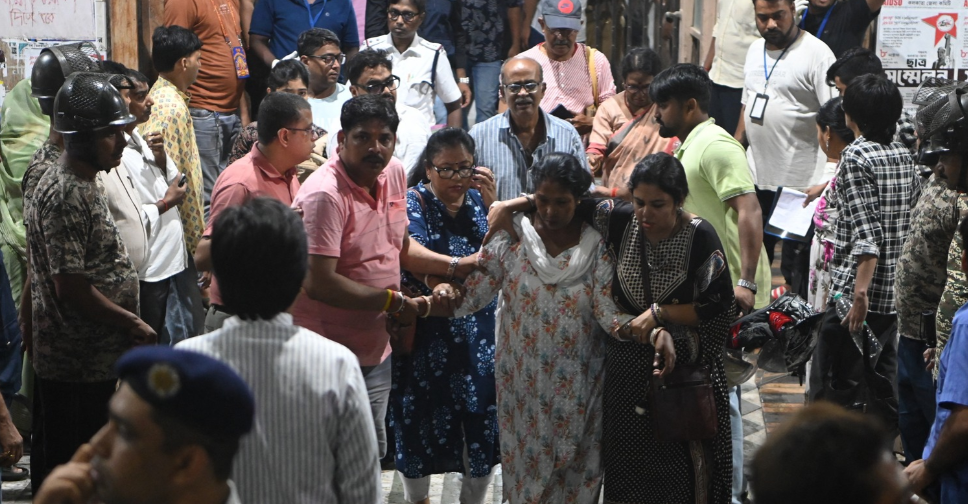 At least 17 killed in stampede at festival in India's Kolkata
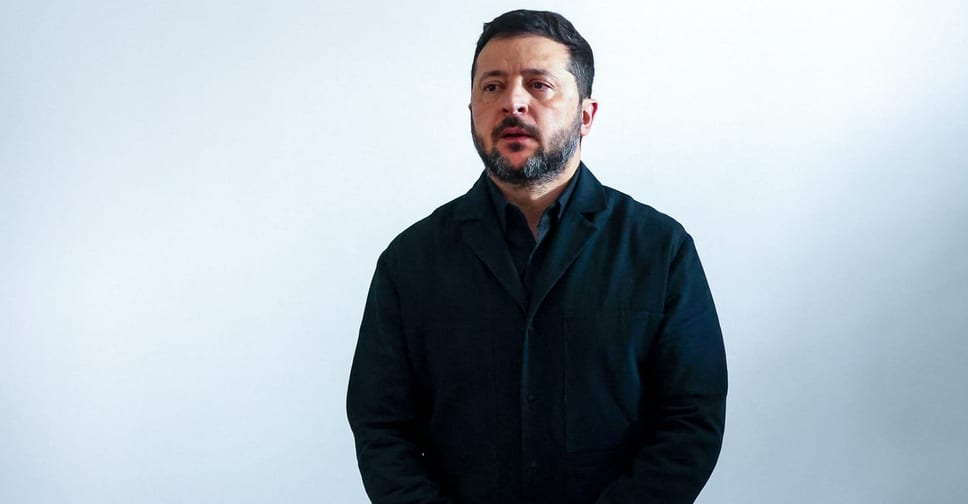 US resumes intelligence-sharing with Ukraine after pause, Zelenskyy says
 France faces aftermath of worst unrest in years
 DR Congo confirms Ebola outbreak has spread to eighth province
 2 killed, 11 injured in Kansas after truck drives through soccer game, police say
 Pope Leo pledges gradual return to duties in first event since cancer surgery
 1 killed, 15 injured in Ukrainian drone attack on Russia, governor says