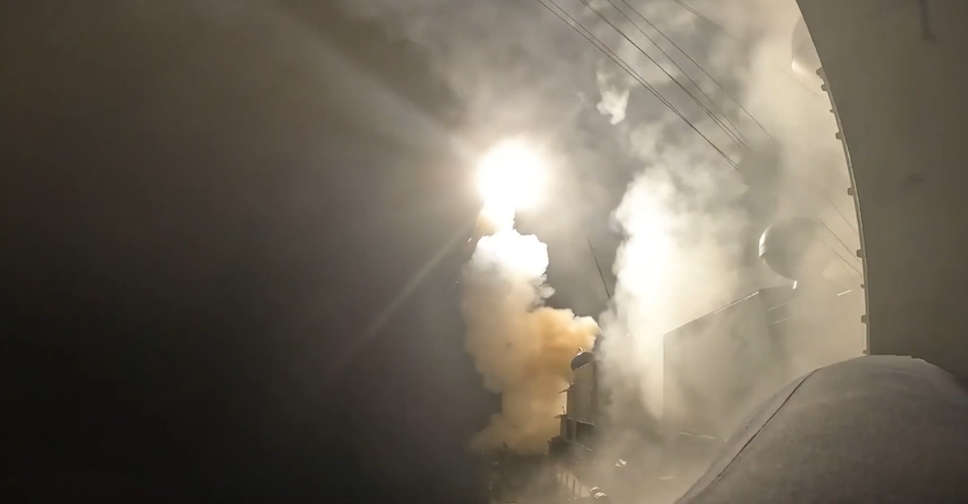
The US and Iran found themselves back on a war footing on Wednesday after the most significant exchange of fire in weeks, with Washington threatening more devastating strikes.
The US military's Central Command said it struck Islamic Revolutionary Guard Corps air defences, radar systems, maritime assets, mine-laying capabilities and communications sites on Tuesday, with Iran hitting some Arab states and multiple targets near the Strait of Hormuz.
Jordan's armed forces said their air defence systems dealt with 13 ballistic missiles that entered the kingdom's airspace, 10 of which were intercepted and three fell in remote areas. Bahrain said Iranian drones were intercepted and destroyed.
The clash ends a months-long stalemate since July in which both sides have largely held fire but showed no appetite for talks.
Asian stocks slumped on Wednesday after the renewed US airstrikes pushed oil prices to a five-week high and drove the US 10-year Treasury yield to its highest level in almost three years, extending a bond market selloff across global markets.

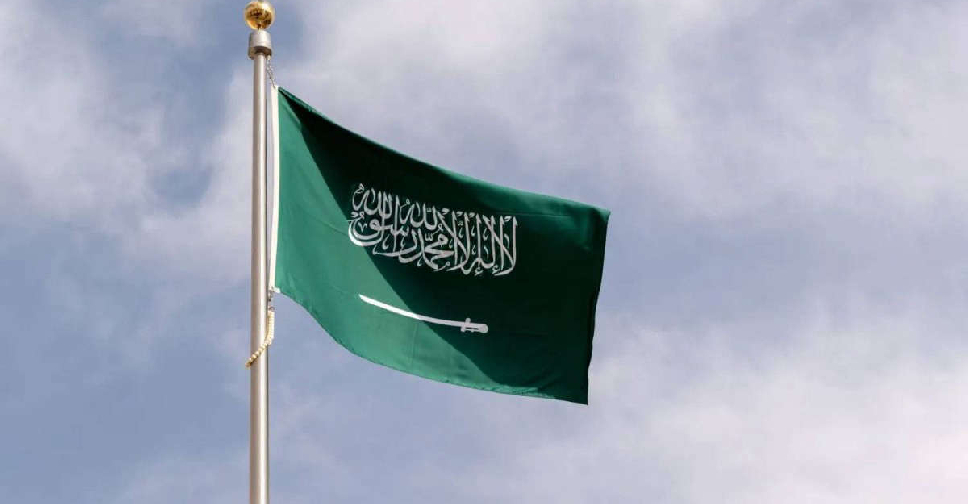 Saudi-led coalition says helicopter crash in Najran kills 2 crew members
 At least 17 killed in stampede at festival in India's Kolkata
 2 killed, 11 injured in Kansas after truck drives through soccer game, police say
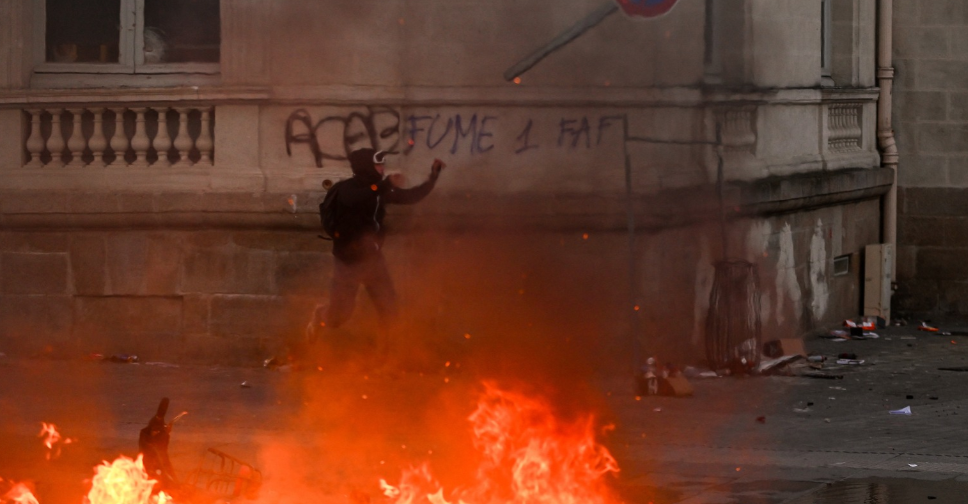 Mass protests in France spiral into worst riots in years
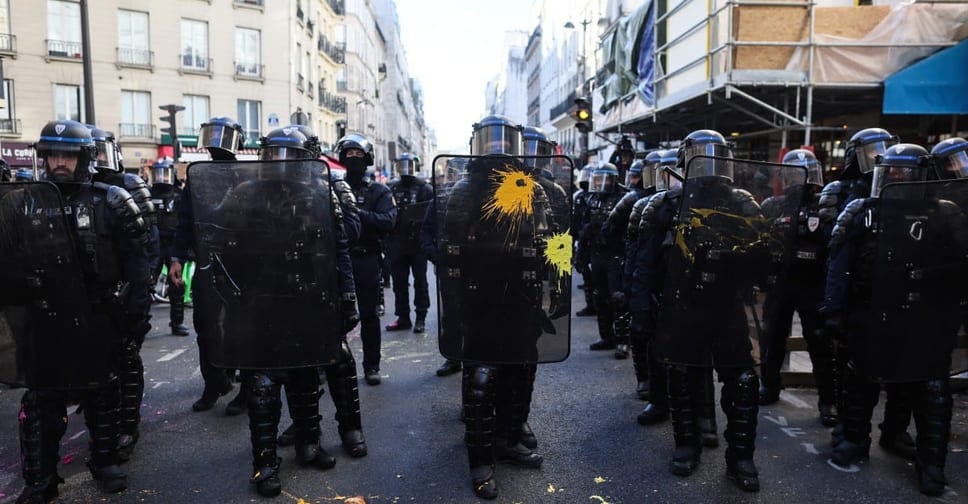 French protesters take to streets over rising prices and social strain
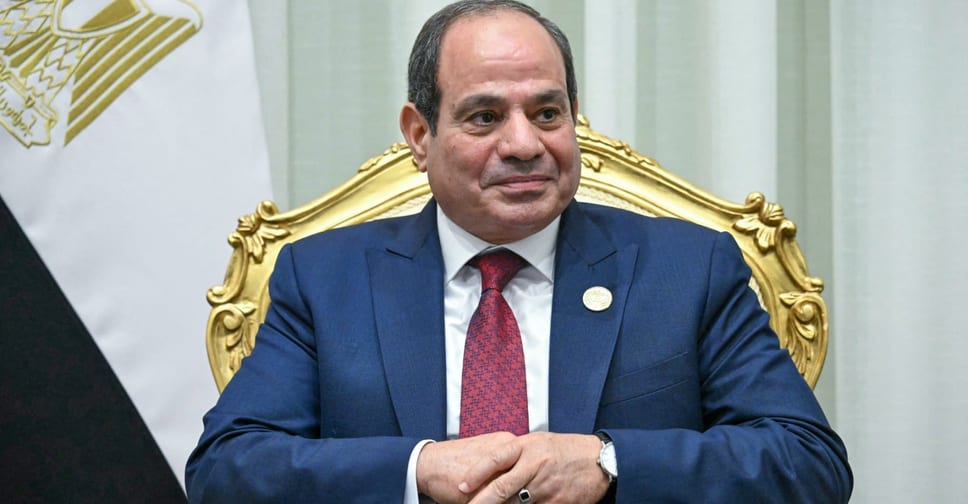 Egypt's Sisi says his presidency will end in 2030
 Kenya confirms 4 new Ebola cases, bringing total number to 7
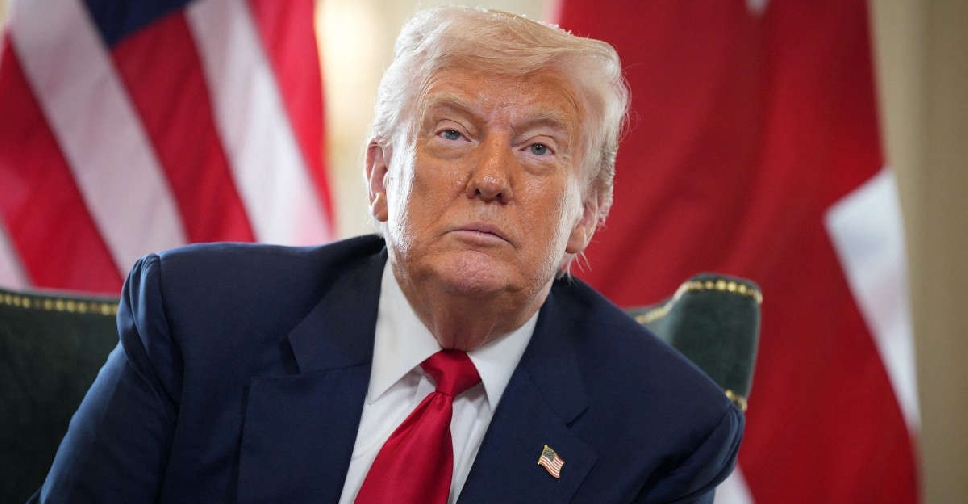 Trump waives key Russia-related sanctions, tariffs before they take effect