

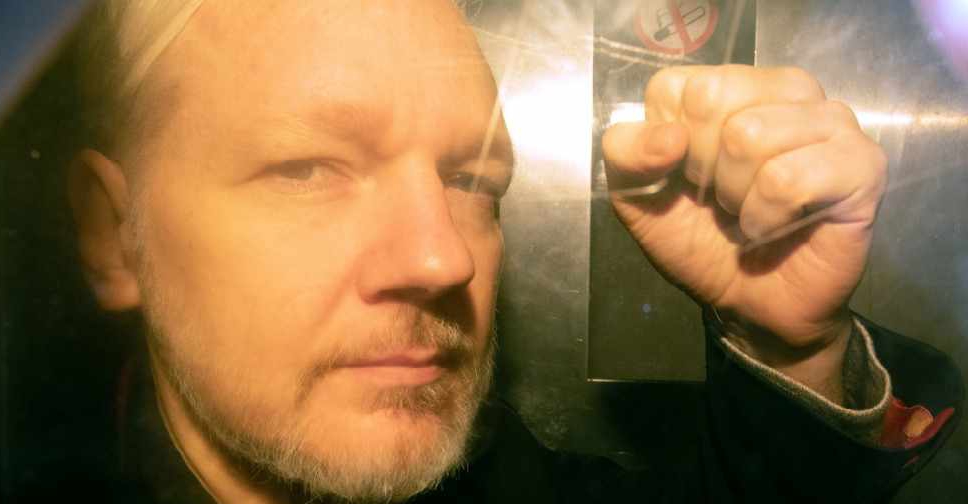
A British judge ruled on Monday that WikiLeaks' founder Julian Assange should not be extradited to the United States to face charges of breaking a spying law and conspiring to obtain secret US documents by hacking government computers.
US authorities accuse Australian-born Assange of 18 counts relating to Wikileaks’ release of vast troves of confidential US military records and diplomatic cables which they said had put lives in danger.
His lawyers had argued the entire prosecution was politically-motivated, powered by US President Donald Trump and that his extradition posed a severe threat to the work of journalists.
At a hearing at London's Old Bailey, Judge Vanessa Baraitser rejected nearly all his legal team's arguments but said she could not extradite him as there was a real risk he would commit suicide and ordered his discharge.
"Faced with conditions of near total isolation... I am satisfied that the procedures (outlined by US authorities) will not prevent Mr. Assange from finding a way to commit suicide," she said.


 UN establishes task force to address Hormuz navigation challenges
 Bahrain contain fire at 'facility' after Iran attack
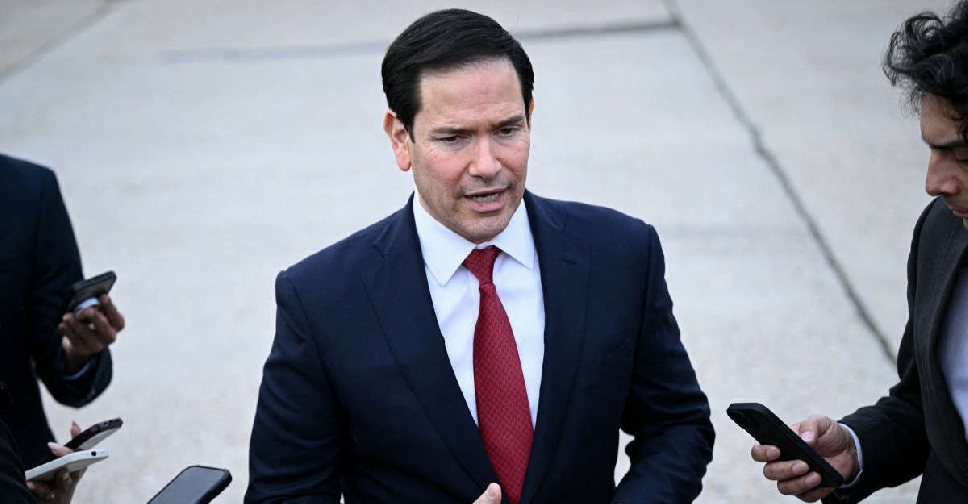 Rubio says Iran war to last 'weeks not months'; no ground troops needed
 Indonesia imposes restrictions on social media for those under 16
 NASA's Artemis astronauts enter final preparations for Moon mission
 Iran-linked hackers breach FBI director's personal email
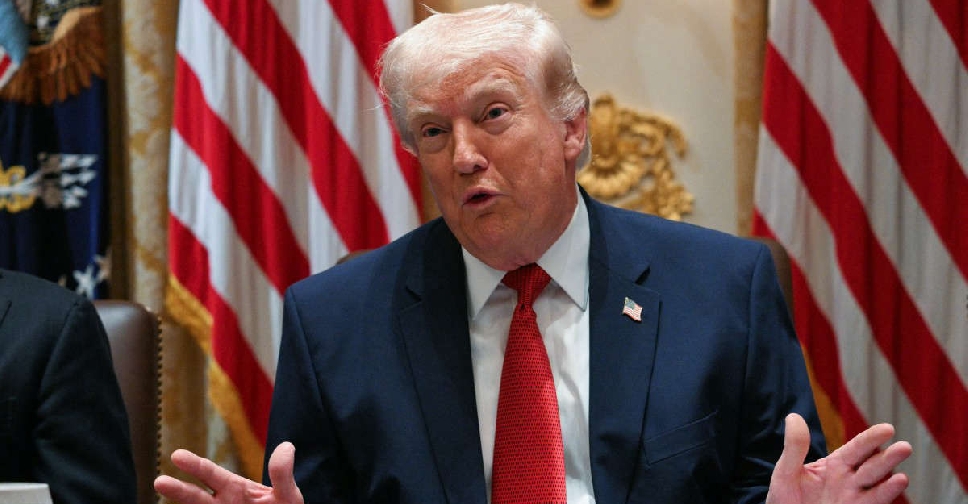 Trump extends deadline for striking Iran's energy plants to April 7
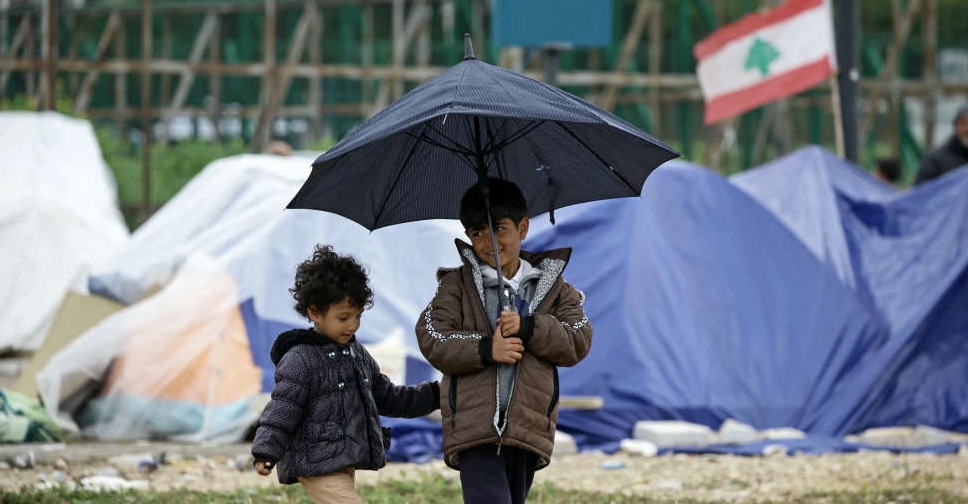 Israeli evacuation orders uproot 370,000 children in Lebanon, UN says