

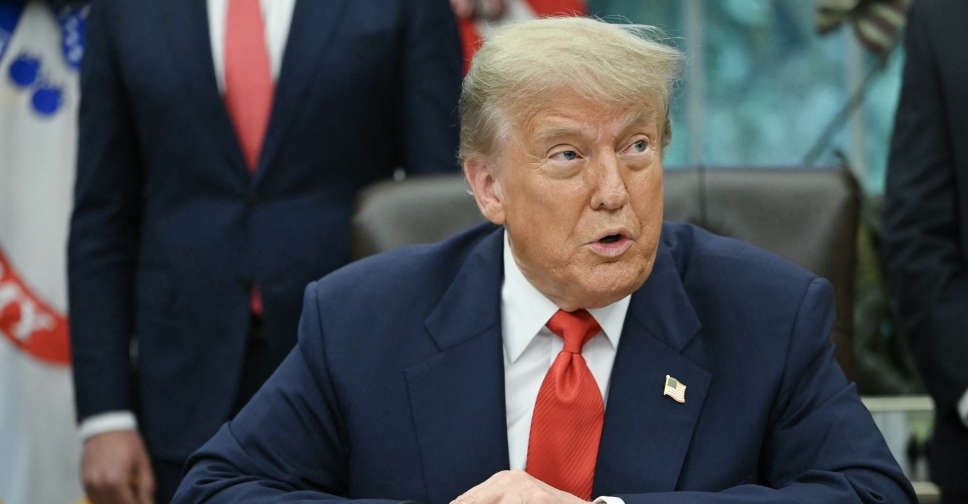
The US Supreme Court on the last day of rulings for its current term gave Donald Trump his latest in a series of victories at the nation's top judicial body, one that may make it easier for him to implement contentious elements of his sweeping agenda as he tests the limits of presidential power.
With its six conservative members in the majority and its three liberals dissenting, the court on Friday curbed the ability of judges to impede his policies nationwide, resetting the power balance between the federal judiciary and presidents.
The ruling came after the Republican president's administration asked the Supreme Court to narrow the scope of so-called "universal" injunctions issued by three federal judges that halted nationally the enforcement of his January executive order limiting birthright citizenship.
The court's decision has "systematically weakened judicial oversight and strengthened executive discretion," said Paul Rosenzweig, an attorney who served in Republican President George W. Bush's administration.
Friday's ruling said that judges generally can grant relief only to the individuals or groups who brought a particular lawsuit.
The decision did not, however, permit immediate implementation of Trump's directive, instead instructing lower courts to reconsider the scope of the injunctions. The ruling was authored by Justice Amy Coney Barrett, one of three conservative justices who Trump appointed during his first term in office from 2017-2021.
Trump has scored a series of victories at the Supreme Court since returning to office in January. These have included clearing the way for his administration to resume deporting migrants to countries other than their own without offering them a chance to show the harms they could face and ending temporary legal status held by hundreds of thousands of migrants on humanitarian grounds.
The court also permitted to let Trump's administration withhold payment to foreign aid groups for work already performed for the government, allowed his firing of two Democratic members of federal labour boards to stand for now, and backed his Department of Government Efficiency in two disputes.
"President Trump secured the relief he sought in most of his administration's cases," George Mason University law school professor Robert Luther III said. "Justice Barrett's opinion is a win for the presidency," Luther said of the decision on nationwide injunctions.
Once again, as with many of the term's major decisions, the three liberal justices found themselves in dissent, a familiar position as the court under the guidance of Chief Justice John Roberts continues to shift American law rightward.
The rulings in favour of Trump illustrate that "the court's three most liberal justices are proving less relevant now than at any earlier point in the Roberts Court with respect to their impact on its jurisprudence," Luther said.
The cases involving Trump administration policies this year came to the court as emergency filings rather than through the normal process, with oral arguments held only in the birthright litigation. And those arguments did not focus on the legality of Trump's action but rather on the actions of the judges who found that it was likely unconstitutional.
"One theme is the court's struggle to keep pace with a faster-moving legal world, especially as the Trump administration tests the outer boundaries of its powers," Boston College Law School professor Daniel Lyons said.

 Some UK departing flights disrupted by NATS technical issue
 At least 73 injured after Houthi rebels attack Saudi civilian and energy facilities
 UK, France and Canada sanction Israeli West Bank settlements
 Suspect detained after sabotage attacks on Germany power grid
 Nepal rescue focused on workers trapped in three tunnels
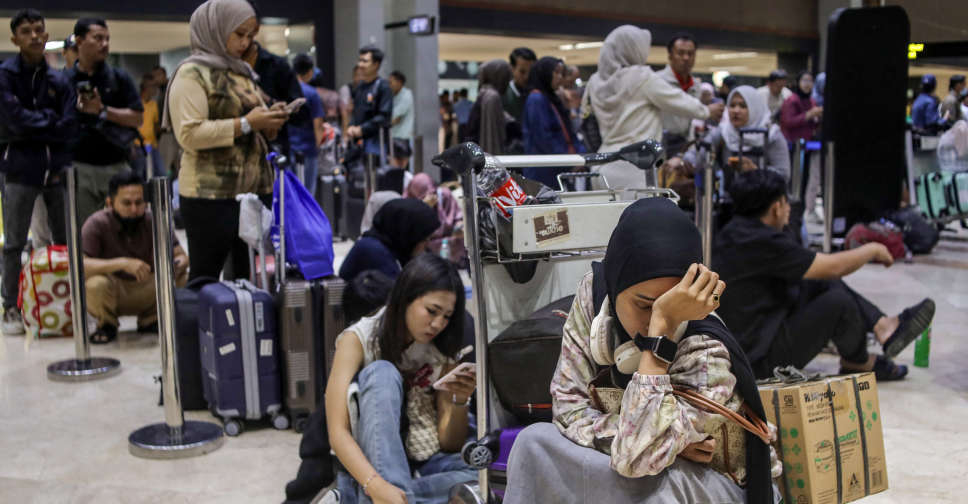 Indonesia reopens Jakarta airport, four others after Anak Krakatau ash clears
 Russia hits Kyiv after brief pause for US envoys' visit, killing two
 Kenya offers temporary amnesty to undocumented East Africans amid crackdown fears