

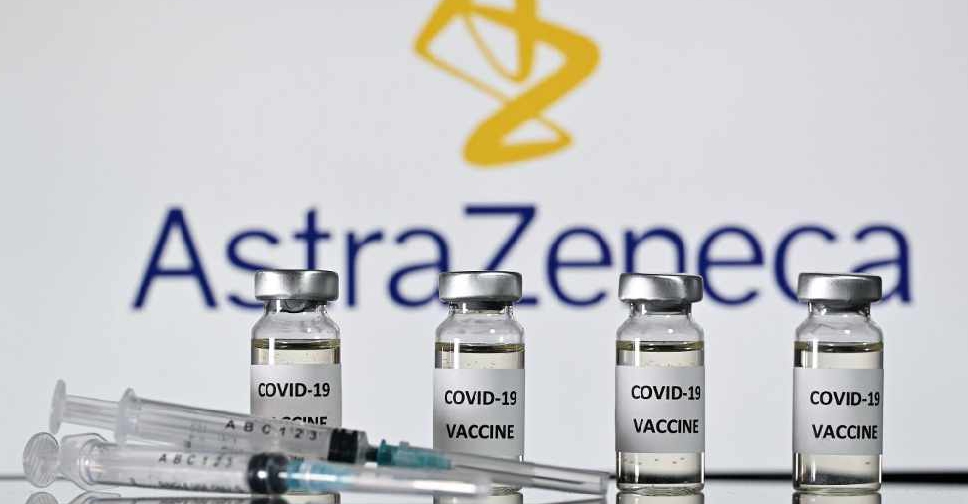
The COVID-19 vaccine of AstraZeneca and Oxford University works well as a third booster dose, stepping up antibodies to the coronavirus spike protein among participants in a study, the Financial Times said on Wednesday.
The news comes as vaccine makers warn that the world will need yearly booster shots, or new vaccines, to tackle virus variants, although some scientists question if such shots are necessary.
The newspaper quoted a person familiar with the results of the study as saying it showed the antibody reaction to the booster shot was "strong enough against any variant" and put to rest fears that adenoviruses could not be used more than once.
AstraZeneca and Oxford University did not immediately respond to a Reuters request for comment on Oxford's yet-to-be-published study.
The vaccine makes use of a new technology employing a modified version of adenoviruses, which cause the common cold, as vectors to ferry instructions to human cells.
This design-led to concern among scientists that the doses could lose potency if annual inoculations become necessary to fight new variants.
It is not known when Oxford and AstraZeneca plan to publish study data, the paper added.
The European Union signed a new contract this month for 1.8 billion doses of the Pfizer-BioNTech vaccine to cover booster doses.


 Trump postpones military strikes on Iranian power plants
 Pilot, co-pilot killed after passenger jet hits fire truck at LaGuardia airport
 Kuwait launches probe into espionage, state security cases
 Trump, Iran threaten to escalate conflict with attacks on energy and water facilities
 Fuel reservoir in Russia's Primorsk port on fire after drone attack, governor says
 Ambulances from Jewish community organisation torched, UK police say
 Israeli airstrikes kill four in Gaza, Palestinian officials say
 Iran says Hormuz open to all but ‘enemy-linked’ ships