

Spaniards were greeted by political gridlock on Monday after the right failed to clinch a predicted decisive victory and no clear winner emerged in the country's general election.
The results from Sunday's vote left neither the left nor right bloc with an easy path to form a government. A Catalan leader on the run from Spanish justice became an unlikely potential kingmaker, said Ignacio Jurado, a professor in political science at the Carlos III University in Madrid.
The centre-right People's Party (PP) and the far-right Vox won a combined 169 seats in parliament, while the ruling Socialists (PSOE) and far-left Sumar won 153, well short of the 176 seats needed for a majority.
After winning the most seats, the People's Party (PP) will be given the first stab at trying to cobble together enough votes in parliament to win a prime-ministerial investiture vote. But its alliance with the far-right Vox will make it difficult to gain support from any other faction.
Prime Minister Pedro Sanchez' Socialists have more options but face potentially unpalatable demands from Catalan separatist parties. Those could include insistence on an independence referendum, triggering the kind of political chaos seen in 2017 when Catalonia last tried to break from Spain.
Sanchez could win over left-wing separatist party Esquerra Republicana de Catalunya (ERC), as he did to form a minority government in 2019. But he will likely also need the backing of the more hardline Junts, which has not supported Sanchez in the past four years.
Junts has not conveyed a clear position. Its candidate for Congress, Miriam Nogueras, said any backing would be in return for a fresh independence referendum for Catalonia. The Socialists, which oppose independence and any vote on the issue, may have a hard time accepting such a demand.
Carles Puigdemont, one of the party's top leaders, said Junts would back neither Sanchez nor Feijoo. Puigdemont is living in self-imposed exile in Belgium and is wanted by Spanish authorities for leading a failed independence bid in 2017.
Sanchez has governed with a minority after forming a coalition with the far-left Unidas Podemos party and securing support for the investiture vote from Basque and Catalan pro-independence parties, drawing the ire of many Spaniards.
"The PSOE is at the mercy of Puigdemont," said Ignacio Torreblanca, head of the Madrid office at the European Council on Foreign Relations.


 Saudi-led coalition says helicopter crash in Najran kills 2 crew members
 At least 17 killed in stampede at festival in India's Kolkata
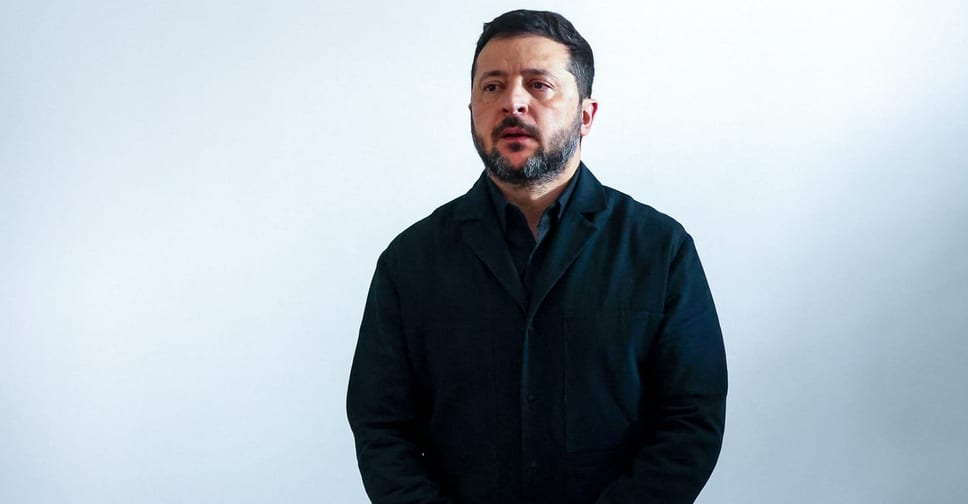 US resumes intelligence-sharing with Ukraine after pause, Zelenskyy says
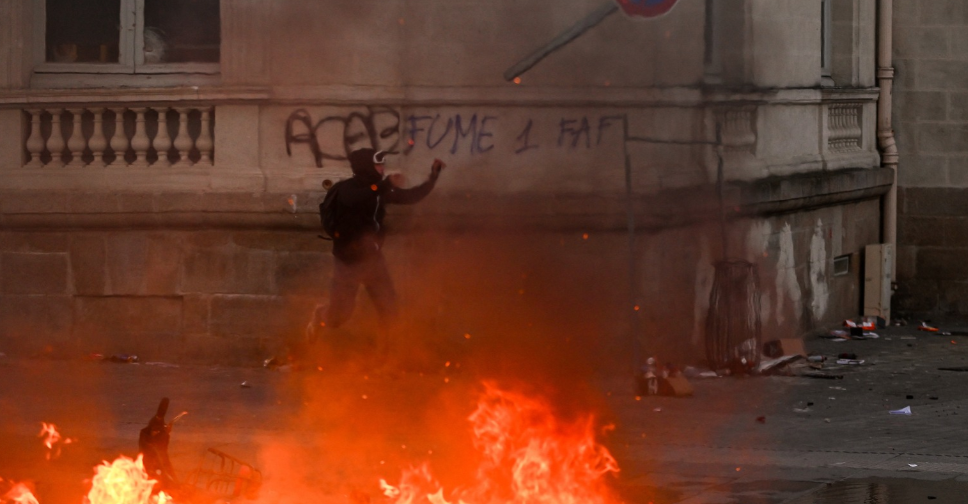 France faces aftermath of worst unrest in years
 DR Congo confirms Ebola outbreak has spread to eighth province
 2 killed, 11 injured in Kansas after truck drives through soccer game, police say
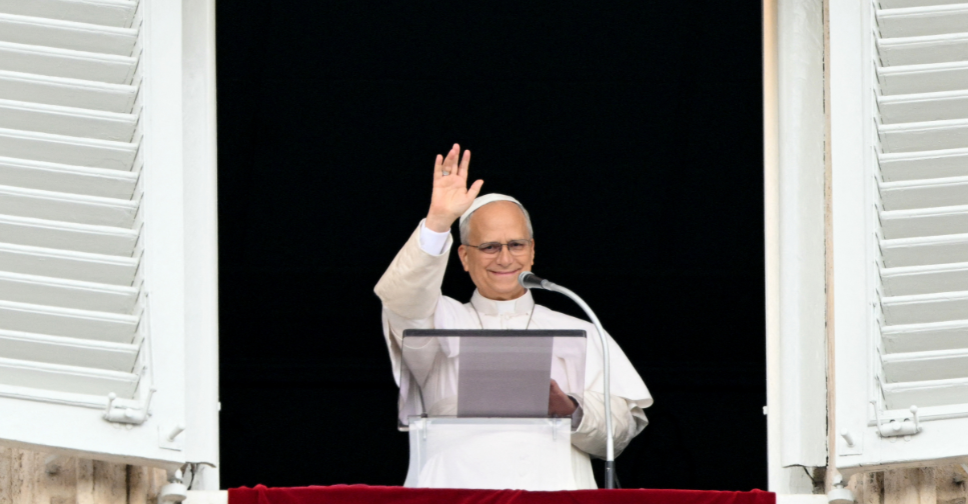 Pope Leo pledges gradual return to duties in first event since cancer surgery
 1 killed, 15 injured in Ukrainian drone attack on Russia, governor says