

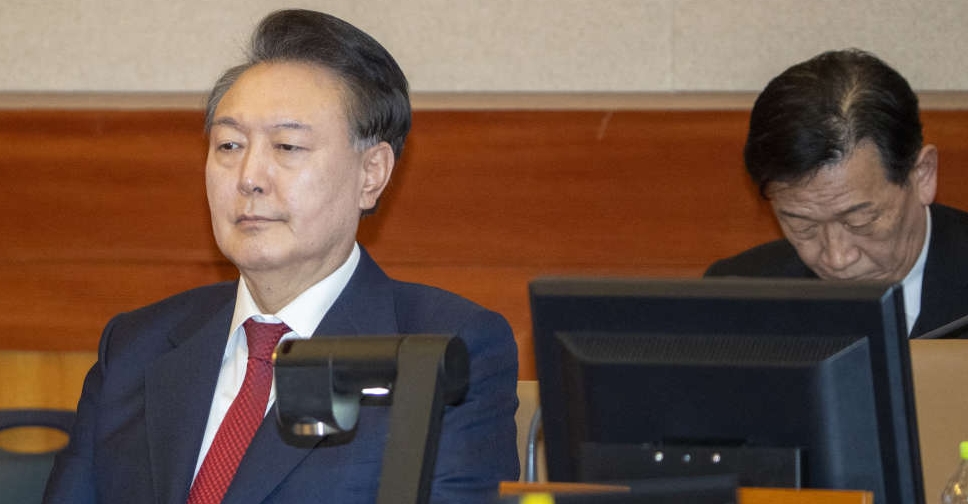
South Korea's Constitutional Court on Friday decided to oust President Yoon Suk Yeol, upholding parliament's impeachment motion over his short-lived imposition of martial law last year that sparked the country's worst political crisis in decades.
With Yoon's ouster, a presidential election is required to take place within 60 days, according to the country's constitution.
Prime Minister Han Duck-soo will continue to serve as acting president until the new president is inaugurated.
The ruling caps months of political turmoil that have overshadowed efforts to deal with the new administration of US President Donald Trump at a time of slowing growth.
Separately, 64-year-old Yoon faces a criminal trial on insurrection charges. The embattled leader became the first sitting South Korean president to be arrested on January 15 but was released in March after a court cancelled his arrest warrant.
The crisis was triggered by Yoon's December 3 declaration of martial law, which he has said was needed to root out "anti-state" elements and the opposition Democratic Party's alleged abuse of its parliamentary majority that he said was destroying the country.
Yoon lifted the decree six hours later after lawmakers defied efforts by the security forces to seal off parliament and voted to reject it. Yoon has said he never intended to fully impose emergency military rule and tried to downplay the fallout, saying nobody was hurt.
Months of protests have followed, and it remained unclear if the political chaos sparked by Yoon's martial law declaration will now be eased by the court ruling.

 Kuwait launches probe into espionage, state security cases
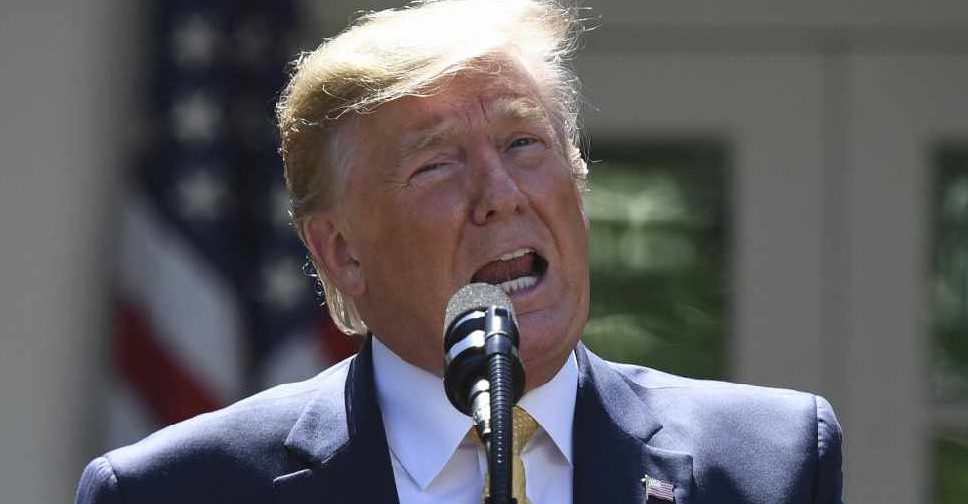 Trump, Iran threaten to escalate conflict with attacks on energy and water facilities
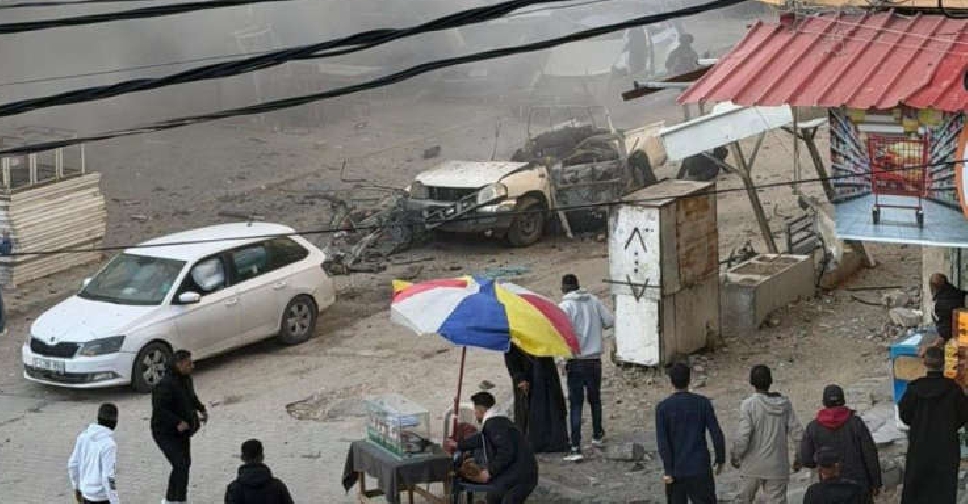 Israeli airstrikes kill four in Gaza, Palestinian officials say
 Iran says Hormuz open to all but ‘enemy-linked’ ships
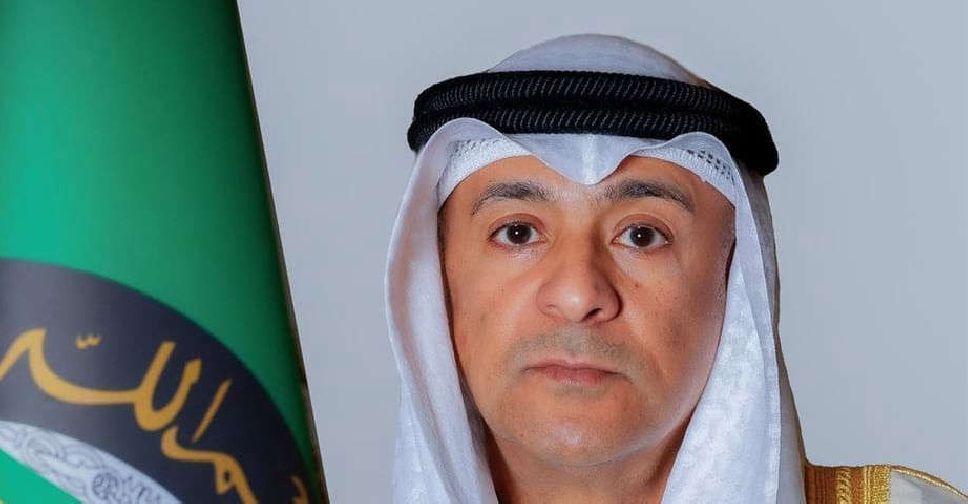 GCC renews condemnation of ongoing Iranian attacks
 Seven killed in Qatar helicopter crash due to technical malfunction
 Four killed as severe weather hits Oman, search continues for missing person
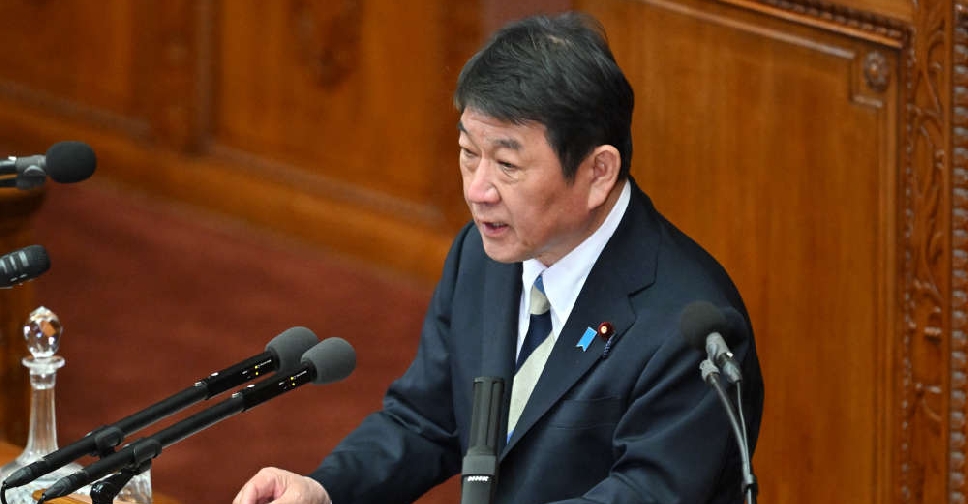 Japan could consider Hormuz minesweeping if ceasefire reached, minister says