

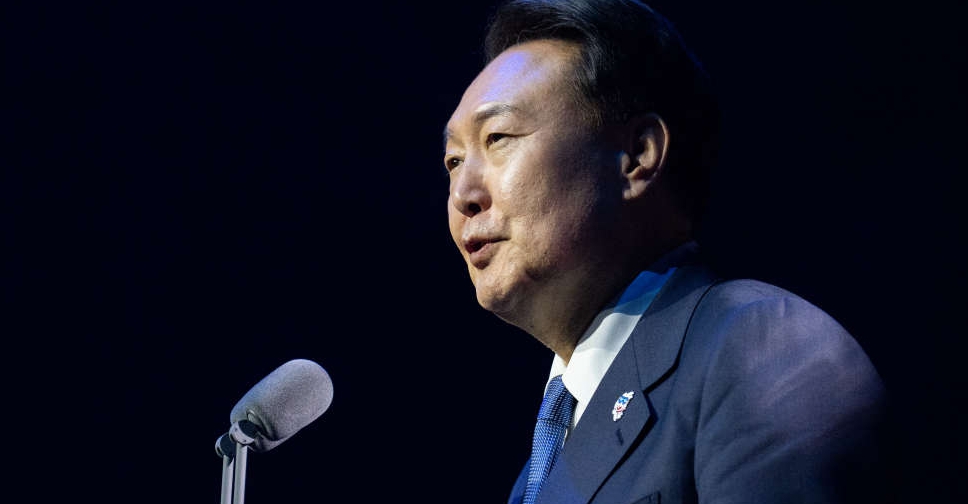
South Korean lawmakers on Wednesday called for the impeachment of President Yoon Suk Yeol after he declared martial law only to reverse the move hours later, triggering the biggest political crisis in decades in Asia's fourth-largest economy.
The surprise declaration late on Tuesday ignited a standoff with parliament which rejected his attempt to ban political activity and censor the media, as armed troops forced their way into the National Assembly building in Seoul.
A coalition of lawmakers from opposition parties said they planned to propose a bill to impeach Yoon which should be voted within 72 hours.
“The parliament should focus on immediately suspending the president’s business to pass an impeachment bill soonest,” Hwang Un-ha, one of the MPs in the coalition, told reporters.
Yoon's chief of staff and senior secretaries offered to resign en masse, a presidential official said.
Yoon told the nation in a TV address that martial law was needed to defend the country from nuclear-armed North Korea and pro-North anti-state forces, and protect its free constitutional order, although he cited no specific threats.
Chaotic scenes ensued as helmeted troops climbed into the parliament building through smashed windows and military helicopters hovered overhead. Parliamentary aides sprayed fire extinguishers to push the soldiers back, and protesters scuffled with police outside.
The military said activities by parliament and political parties would be banned, and that media and publishers would be under the control of the martial law command.
But within hours of the declaration, South Korea's parliament, with 190 of its 300 members present, unanimously passed a motion requiring martial law be lifted, including all 18 members present from Yoon's party. The president then rescinded the declaration.
Protesters outside the National Assembly shouted and clapped. “We won!” they chanted, and one demonstrator banged on a drum.
More protests are expected on Wednesday with South Korea's largest union coalition, the Korean Confederation of Trade Unions, planning to hold a rally in Seoul and vowing to strike until Yoon resigns.
The National Assembly can impeach the president if more than two-thirds of lawmakers vote for it. A trial is then held by the constitutional court, which can confirm it with a vote by six of the nine justices.
Yoon’s party controls 108 seats in the 300-member legislature.
If Yoon resigned or was removed from office, Prime Minister Han Duck-soo would fill in as leader until a new election was held.

 Iran says it is reviewing US proposal to end war
 UN Human Rights Council adopts resolution condemning Iranian attacks
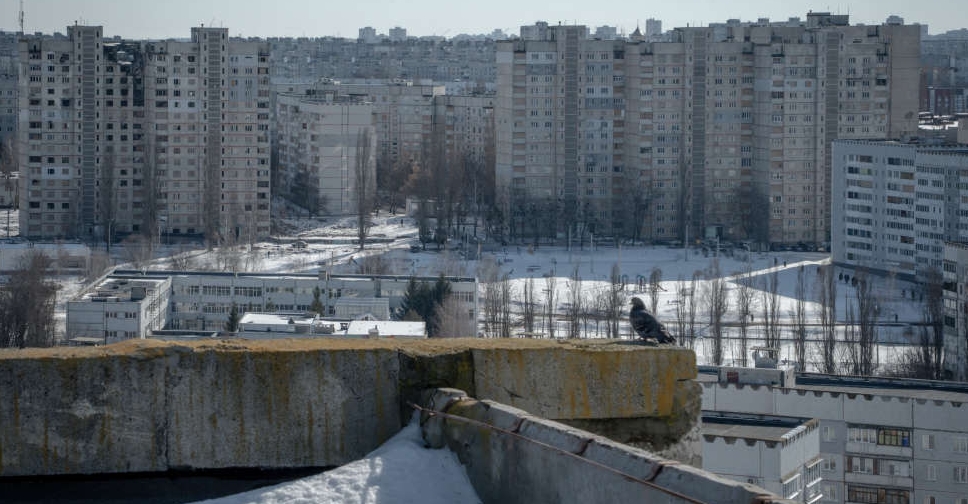 Russian attacks kill two in Ukraine's Kharkiv
 Kuwait foils terror plot targeting state leaders
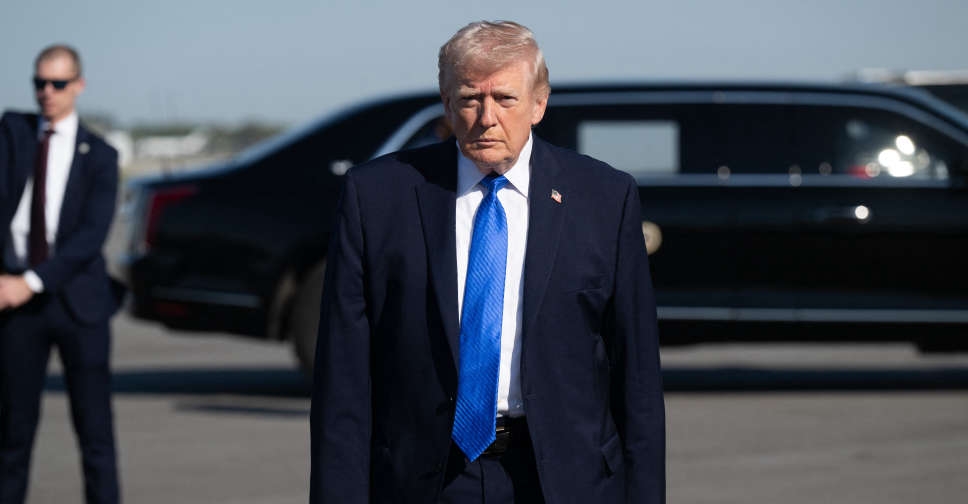 Iran rejects Trump's talk of negotiation as Israel and Iran launch airstrikes
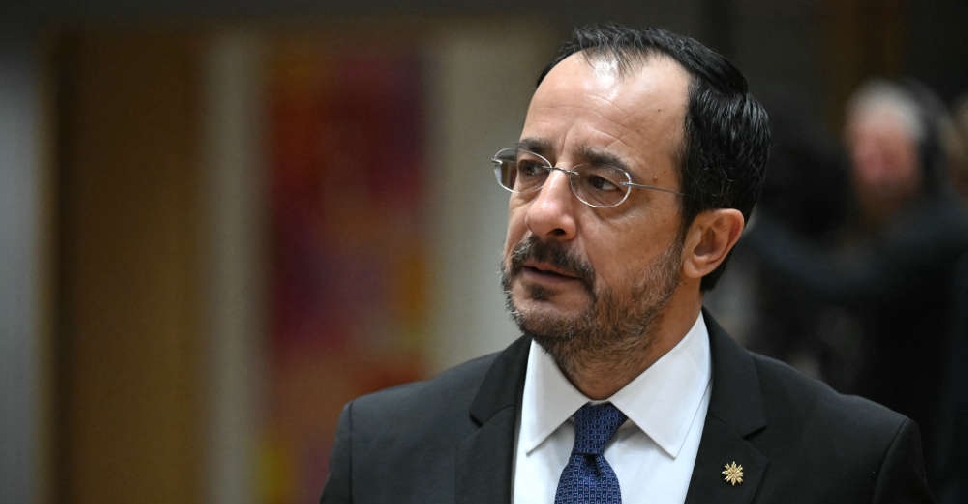 Cyprus has opened discussion with UK over its bases, president says
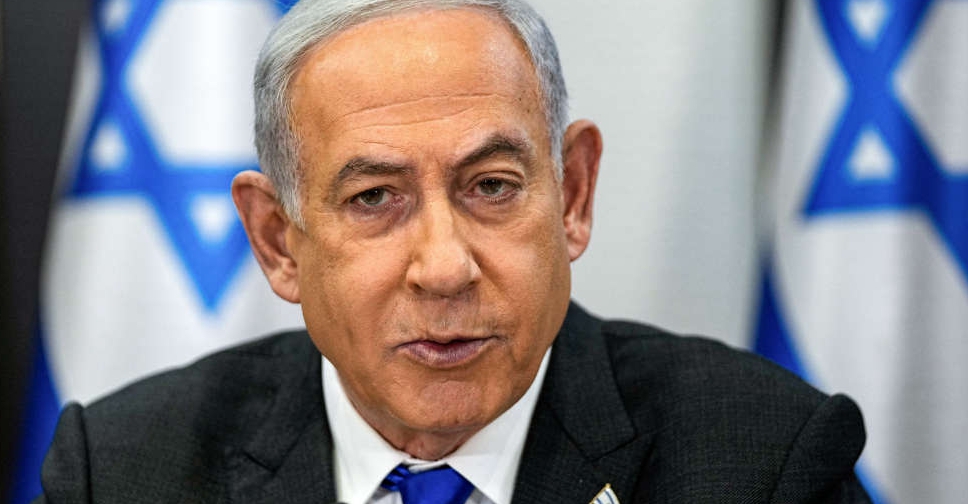 Netanyahu seeks to avoid snap vote as Iran war gives no boost in polls
 Luxury Paris hotel near Elysee reopens after fire forces brief closure