
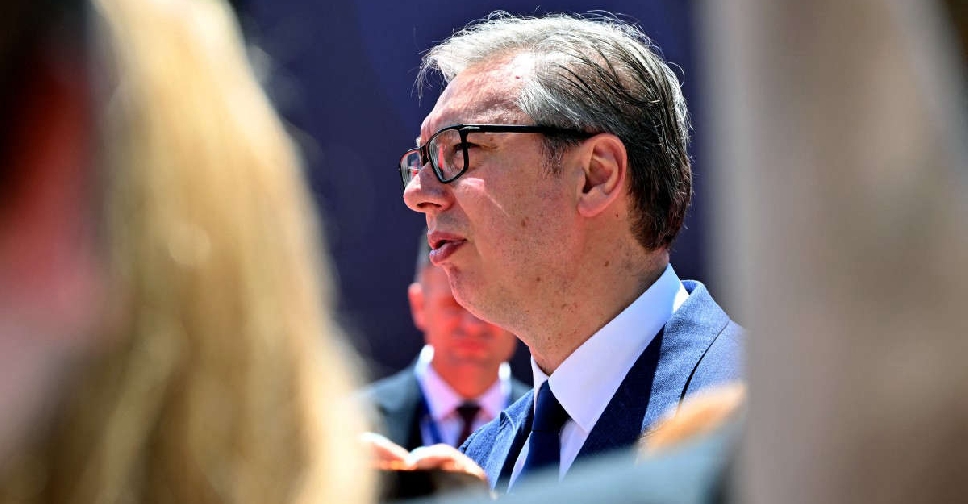
Serbia's populist president Aleksandar Vucic, under pressure after months of anti-government protests, said on Saturday he will resign within weeks and the country will hold early presidential and parliamentary elections.
The announcement by Vucic, in power for 13 years, came after a year-and-a-half of sometimes violent, anti-corruption protests, led by students, and triggered by the collapse of an awning at a railway station in the northern city of Novi Sad in November 2024 in which 16 people died.
Days ago in the city of Novi Sad, students commemorated victims of the disaster and demanded snap general elections.
Another student rally is scheduled for Sunday in the town of Kraljevo, in Serbia's southeast.
"I will be president for only a couple of weeks, and then I will resign," Vucic told his supporters at a pro-government rally in the capital, Belgrade. Vucic's second and final mandate was due to expire in mid-2027.
Vucic said he would help his Serbian Progressive Party win the presidential election and the early parliamentary vote, also originally set for 2027.
He did not specify when he would resign nor when he would dissolve parliament, a precondition for early parliamentary elections.
Savo Manojlovic, head of the student opposition Move-Change Movement, said: "By resigning and with early presidential and parliamentary elections Vucic is trying to preempt his inevitable fall, because of protests and because of the student movement which has more support than he does."
Protesters, opposition and rights groups allege the railway station disaster was a sign of broader government mismanagement of construction projects and corruption.
They also accuse Vucic and his allies of violence against political opponents, rampant corruption, ties with organised crime, and stifling media freedoms.
Vucic and his allies deny these allegations. Activists from the student-led movement and the opposition parties have said they want to challenge Vucic and the SNS in the elections.
Serbia is a candidate to join the EU, but Belgrade is required to first improve its rule of law, including conditions for free and fair elections, and to root out corruption and organised crime.
It also has to align its foreign policies with those of the bloc, including slapping sanctions on Russia over its invasion of Ukraine.

 Saudi-led coalition says helicopter crash in Najran kills 2 crew members
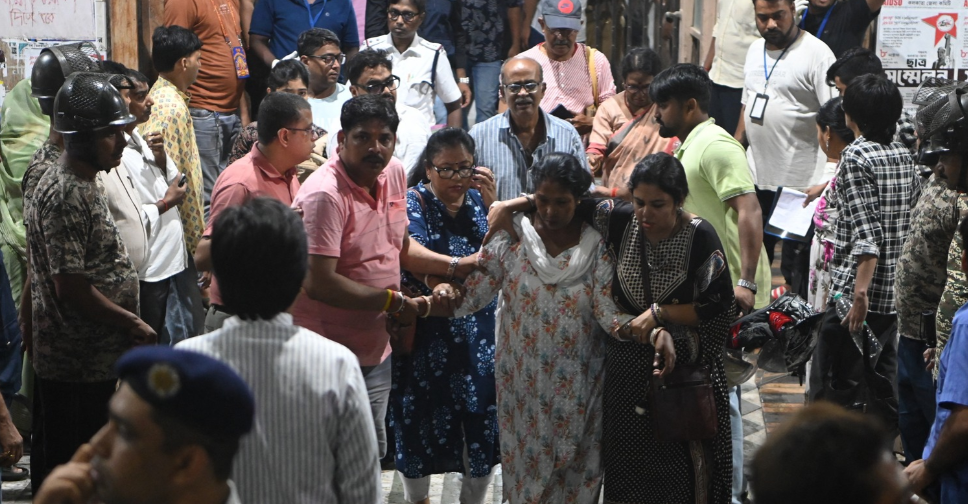 At least 17 killed in stampede at festival in India's Kolkata
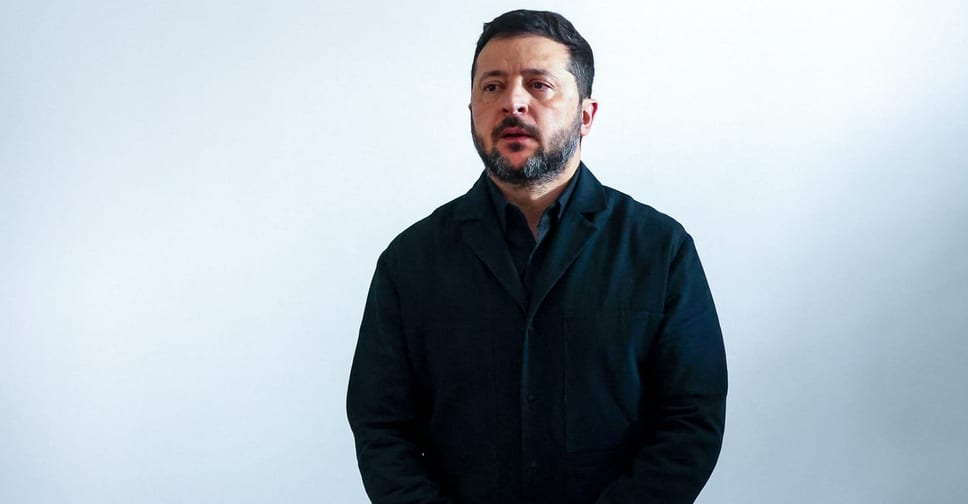 US resumes intelligence-sharing with Ukraine after pause, Zelenskyy says
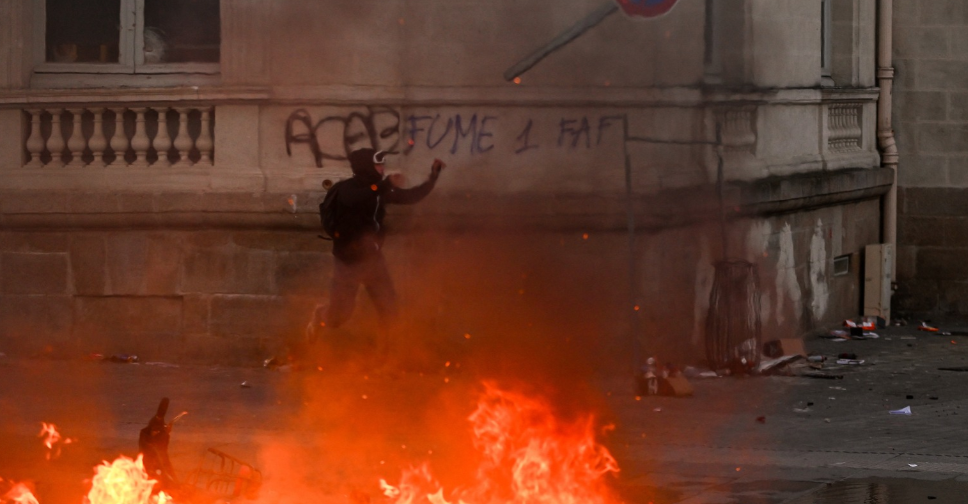 France faces aftermath of worst unrest in years
 DR Congo confirms Ebola outbreak has spread to eighth province
 2 killed, 11 injured in Kansas after truck drives through soccer game, police say
 Pope Leo pledges gradual return to duties in first event since cancer surgery
 1 killed, 15 injured in Ukrainian drone attack on Russia, governor says