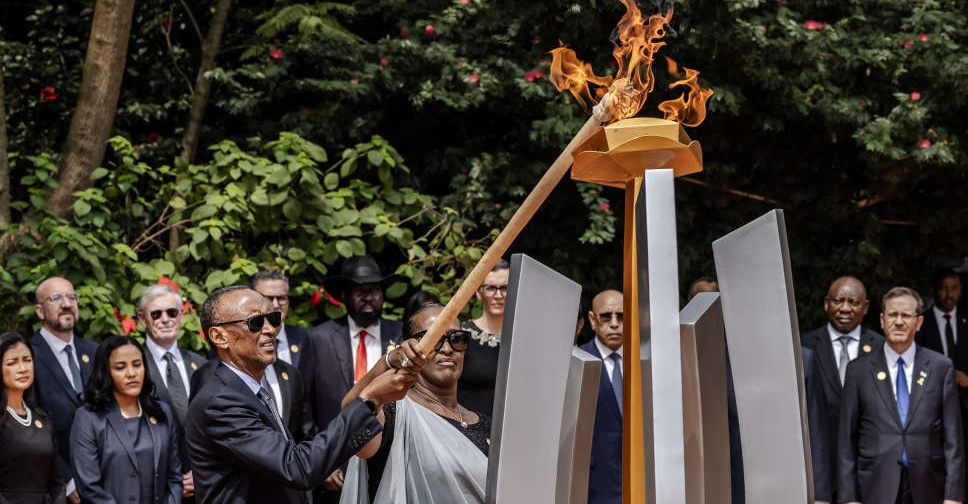
Rwanda's president on Sunday led commemorations to mark 30 years since the 1994 genocide that killed more than one million people and said the conditions that led to the slaughter would never be allowed to exist again in his country's politics.
Over 100 days, starting on April 7 1994, Tutsis and moderate Hutus and were systematically massacred by Hutu extremists, led by the Rwandan army and a militia known as the Interahamwe.
Rwanda's President Paul Kagame and his wife led 37 visiting leaders at a wreath laying ceremony at a genocide memorial in the capital Kigali that contains the remains of some 250,000 people.
"Genocide is populism in its pure form, because the causes are political the remedies must be as well. For that reason our politics are not organised on the basis of ethnicity or religion and never will be again," Kagame said at a separate ceremony at a Kigali sports arena.
"Our people will never be left for dead again."
The International Criminal Tribunal for Rwanda, which was set up in Tanzania in late 1994 to try the masterminds of the genocide, closed in 2015 after convicting 61 suspects.
More prominent suspects have since been caught after decades on the run, and Rwanda's own internal justice system has handled another nearly two million cases.
As part of the commemoration, the UN cultural agency UNESCO unveiled plaques designating four genocide memorial sites to be world heritage sites.

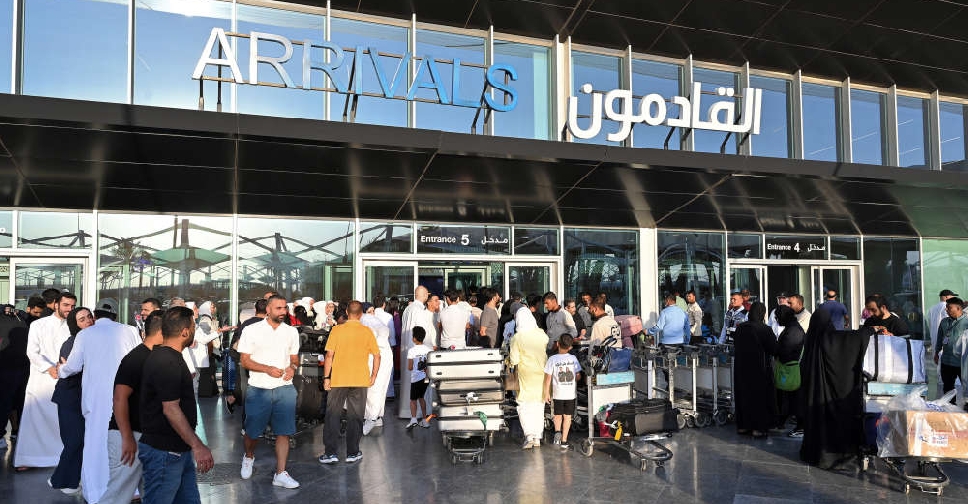 Kuwait International Airport suffers 'significant damage' after drone attacks
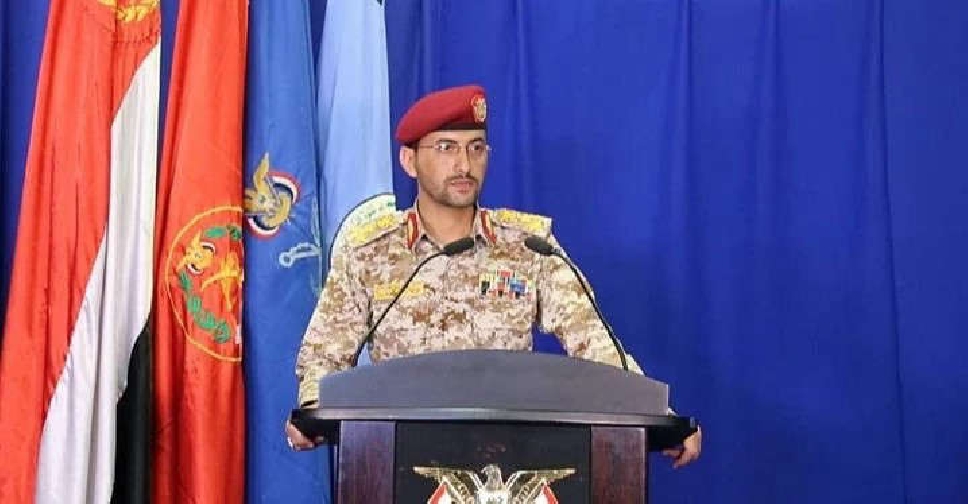 Yemen's Houthis confirm launching attack on Israel
 UN establishes task force to address Hormuz navigation challenges
 Worker injured in drone attack on Oman's Salalah port, crane damaged
 Bahrain contain fire at 'facility' after Iran attack
 Rubio says Iran war to last 'weeks not months'; no ground troops needed
 Indonesia imposes restrictions on social media for those under 16
 NASA's Artemis astronauts enter final preparations for Moon mission