
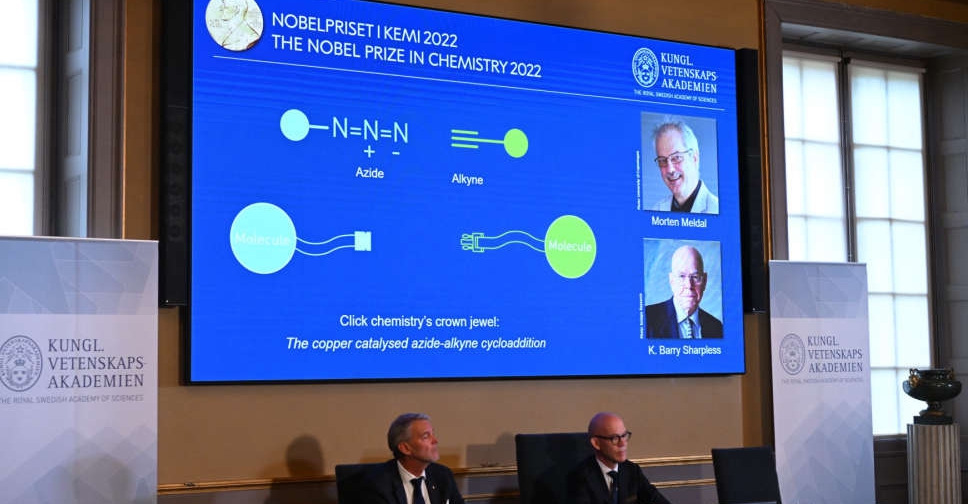
Scientists Carolyn Bertozzi, Morten Meldal and Barry Sharpless won the 2022 Nobel Prize in Chemistry on Wednesday for discovering reactions that let molecules snap together to create desired compounds and that offer insight into cell biology.
The technologies known as click chemistry and bioorthogonal chemistry are now used globally to explore cells and track biological processes, the award-giving body said in a statement.
"Using bioorthogonal reactions, researchers have improved the targeting of cancer pharmaceuticals, which are now being tested in clinical trials," it added.
The prize was awarded by the Royal Swedish Academy of Sciences and is worth 10 million Swedish crowns ($915,072).
The third of the prizes unveiled over six consecutive weekdays, the chemistry Nobel follows those for medicine and physics announced earlier this week.
Sharpless joins an elite band of scientists who have won two Nobel prizes. The other individuals are John Bardeen who won the Physics prize twice, Marie Curie, who won Physics and Chemistry, Linus Pauling who won Chemistry and Peace and Frederick Sanger who won the Chemistry prize twice.
"I'm absolutely stunned, I'm sitting here and I can hardly breathe," Bertozzi said from California after the academy reached her by telephone with the news she had won.
She added that as part of her work, she and her team managed to visualize and understand cell surface structures known as glycans, leading to a new idea in cancer immune therapy.
Bertozzi works at Stanford University, Sharpless works at the Scripps Research institute, both in California, while Meldal is at the University of Copenhagen, Denmark.
Meldal told Reuters his legs and body started shaking with excitement when the Nobel committee called.
"It is not every day to have a Dane get the Nobel Prize," he said, adding he had been recording a teaching video when he received the news and that he was very proud on behalf of his colleagues and team.
Meldal described click-chemistry as a way to build complex structures and link them together as if they were pieces of Lego, the Danish plastic construction toy.
The 2021 chemistry award was won by German Benjamin List and Scottish-born David MacMillan for their work in creating new tools to build molecules, aiding in the development of new drugs as well as in areas such as plastics.
The prizes for achievements in science, literature and peace were established in the will of Swedish dynamite inventor and businessman Alfred Nobel, himself a chemist, and have been awarded since 1901. Economics was added later.
The prizes have been awarded every year with a few interruptions, primarily for the world wars, and made no break for the COVID-19 pandemic though much of the pageantry and events were put on hold or temporarily moved online.


 Some UK departing flights disrupted by NATS technical issue
 At least 73 injured after Houthi rebels attack Saudi civilian and energy facilities
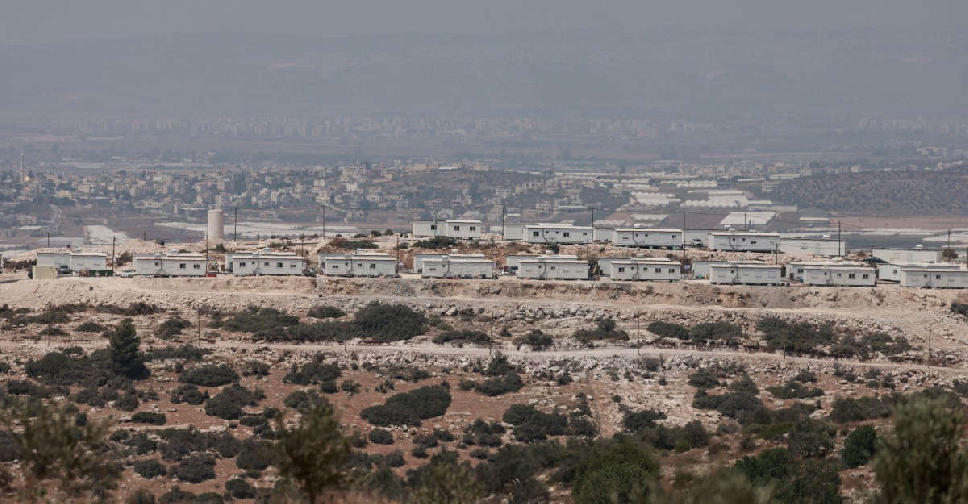 UK, France and Canada sanction Israeli West Bank settlements
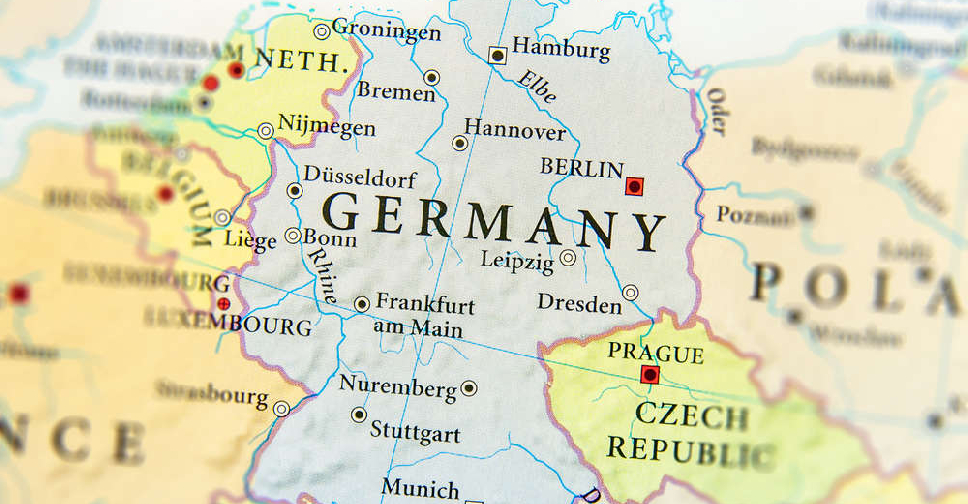 Suspect detained after sabotage attacks on Germany power grid
 Nepal rescue focused on workers trapped in three tunnels
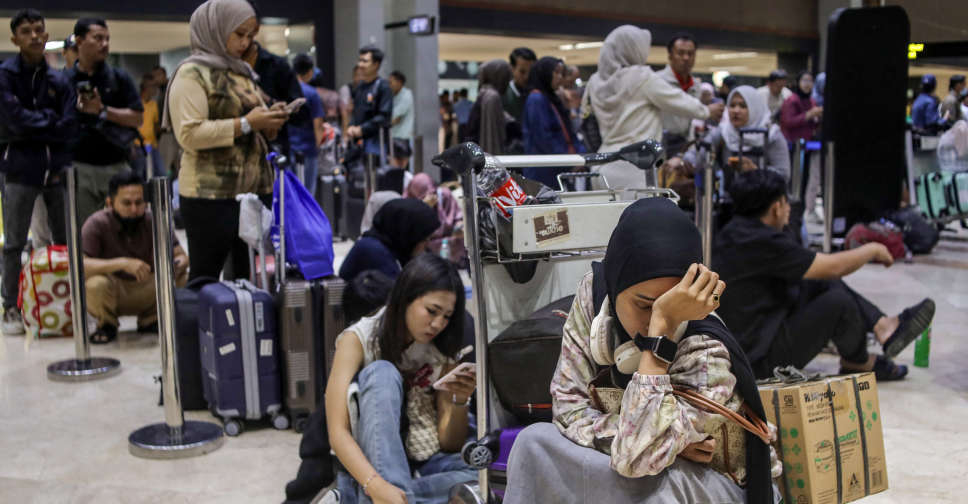 Indonesia reopens Jakarta airport, four others after Anak Krakatau ash clears
 Russia hits Kyiv after brief pause for US envoys' visit, killing two
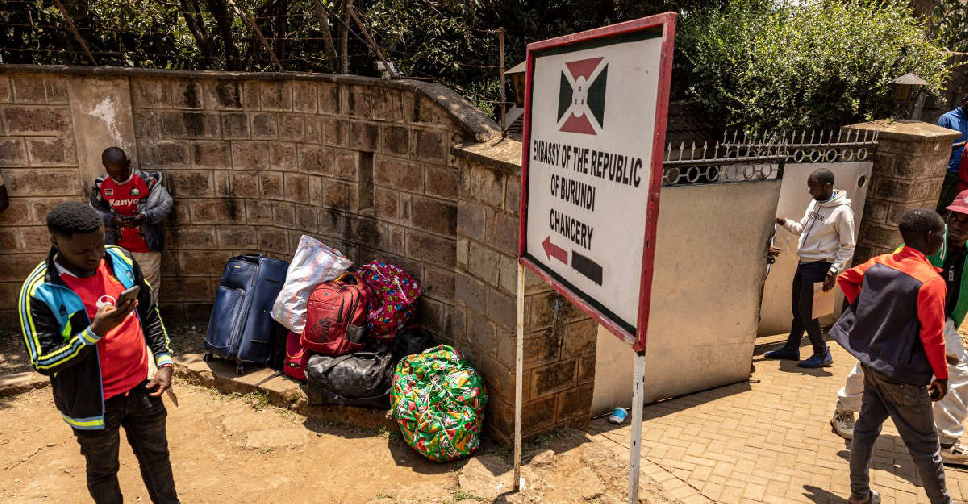 Kenya offers temporary amnesty to undocumented East Africans amid crackdown fears