


Nearly half of US tap water samples contain toxic "forever chemicals," substances used in hundreds of household items from cleaning supplies to pizza boxes to which broad exposure can carry serious health risks, according to a new study.
The US Geological Survey (USGS) study tested tap water samples from more than 700 residences, businesses and drinking-water treatment plants across the country for the presence of perfluoroalkyl or polyfluoroalkyl chemicals known as PFAS.
At least one such synthetic chemical was detected in 45 per cent of the samples at levels exceeding benchmarks and US-proposed regulations, the researchers said.
PFAS are water resistant, meaning they do not break down in the environment and last in human bodies for years. Developed in the 1940s with the creation of Teflon, a non-stick cookware coating, today they are used in everything from clothing to plastic products.
Previous studies have measured PFAS in ground water, reservoirs and water treatment plants. But analysing tap water allows for a more accurate assessment of what people are drinking, said Kelly Smalling, a USGS hydrologist who led the research.
Exposure to high levels of PFAS can disrupt hormones, disturb liver function, increase the risk of kidney or testicular cancer, reduce birth weight in infants and compromise the health of pregnant women, according to the US Centers for Disease Control and Prevention.
Tests exist for a fraction of the 12,000 known types of PFAS. The study samples, which came from public supplies and private wells between 2016 and 2021, were tested for 32 types.
There was no difference in PFAS exposure between samples from private wells and the public supply, which "was very surprising,” Smalling said.
Public water supplies are regulated by the Environmental Protection Agency while private wells are not.
Compared with people in rural areas, those in urban areas are at higher risk of exposure to PFAS in drinking water, the study found.
In March, the EPA proposed the first-ever national drinking water standard for six PFAS. It would require monitoring of public water systems and disclosure when PFAS levels exceed limits.
Almost $10 billion was directed to help communities reduce PFAS and other chemical contaminants as part of the Biden administration’s Bipartisan Infrastructure Law.


 Kuwait air defences deal with Iranian missile, drone attacks
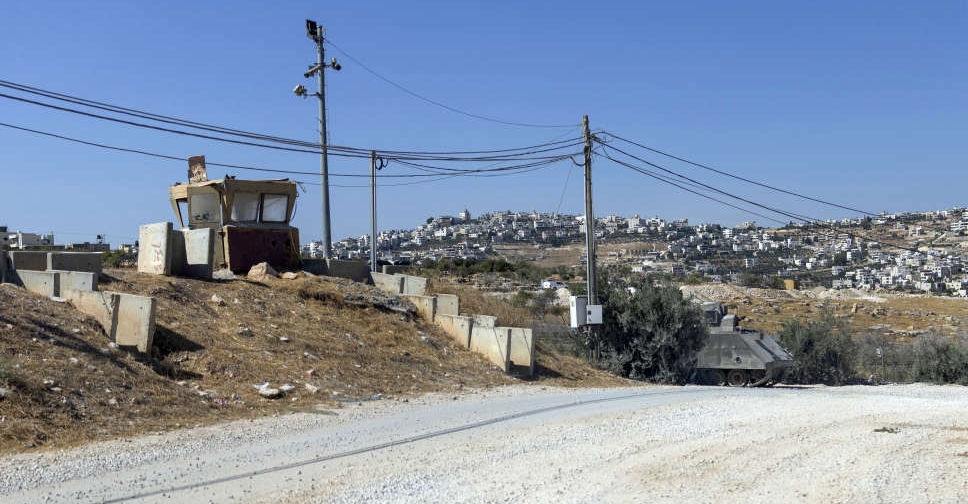 Two Palestinian teens killed in West Bank raid by Israeli settlers, army
 Latest Indonesian free meal poisoning outbreaks affect 800, lawmaker says
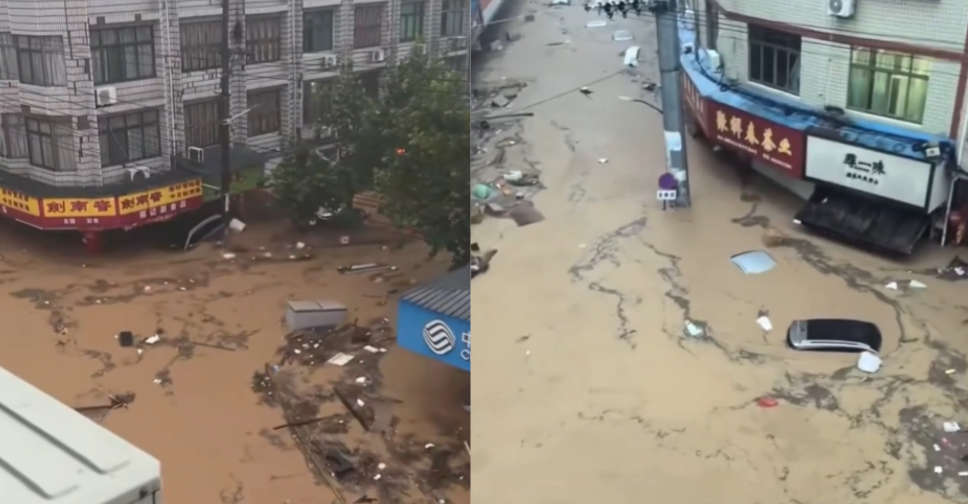 Chinese students marooned in floods unleashed by Typhoon Saudel's rains
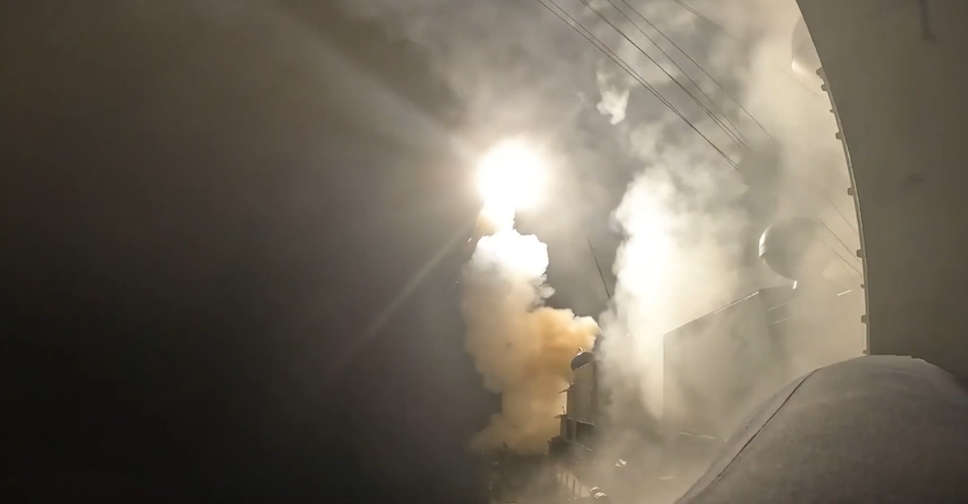 US and Iran exchange attacks as lull in war appears over
 Malta court clears businessman over murder of investigative journalist
 Kuwait confirms no injuries after Iranian drone hits residential complex
 Nepal flood rescue hopes dim as China restores access to Tibet disaster zone