The moon rover of India's Chandrayaan-3 exited the spacecraft on Thursday morning to begin its exploration of the lunar surface, the country's space agency said on messaging platform X.
The spacecraft landed on the unexplored south pole of the moon on Wednesday evening, days after Russia's Luna-25 failed, making India the first country to achieve that feat.
"The Ch-3 Rover ramped down from the Lander and India took a walk on the moon!" the Indian Space Research Organisation (ISRO) said in its message.
Accomplished with a budget of about 6.15 billion Indian rupees ($74.58 million), this was India's second attempt to touch down on the moon. A previous mission in 2019, Chandrayaan-2, successfully deployed an orbiter but its lander crashed.
Chandrayaan means "moon vehicle" in Hindi and Sanskrit.
The moon's rugged south pole is coveted because of its water ice, which is believed to be capable of providing fuel, oxygen and drinking water for future missions, but its rough terrain makes landing challenging.
People across the country tuned in to watch the landing on Wednesday, with nearly 7 million people viewing the YouTube livestream alone.
Prayers were also held at places of worship, and schools organised live screenings of the spectacle for students.
Chandrayaan-3 is expected to remain functional for two weeks, running experiments including, a spectrometer analysis of the lunar surface's mineral composition.


 Saudi-led coalition says helicopter crash in Najran kills 2 crew members
 At least 17 killed in stampede at festival in India's Kolkata
 France faces aftermath of worst unrest in years
 2 killed, 11 injured in Kansas after truck drives through soccer game, police say
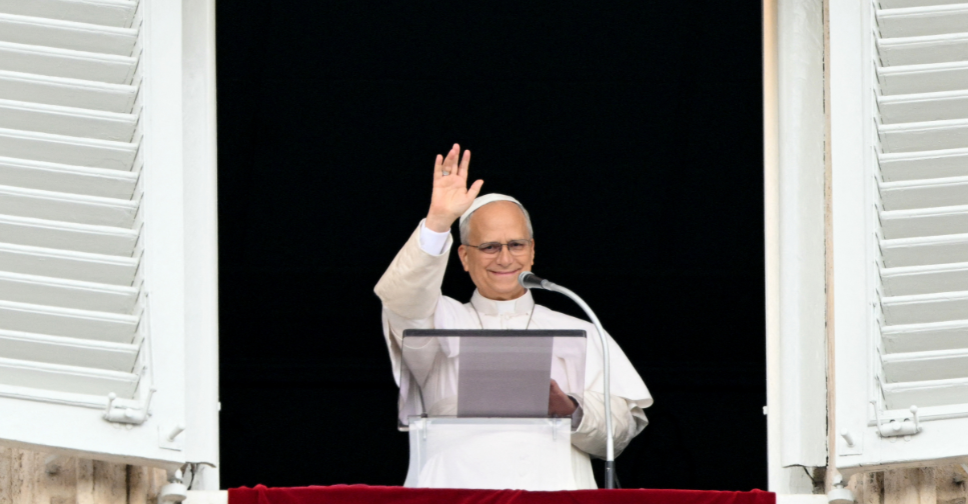 Pope Leo pledges gradual return to duties in first event since cancer surgery
 1 killed, 15 injured in Ukrainian drone attack on Russia, governor says
 French protesters take to streets over rising prices and social strain
 Egypt's Sisi says his presidency will end in 2030