

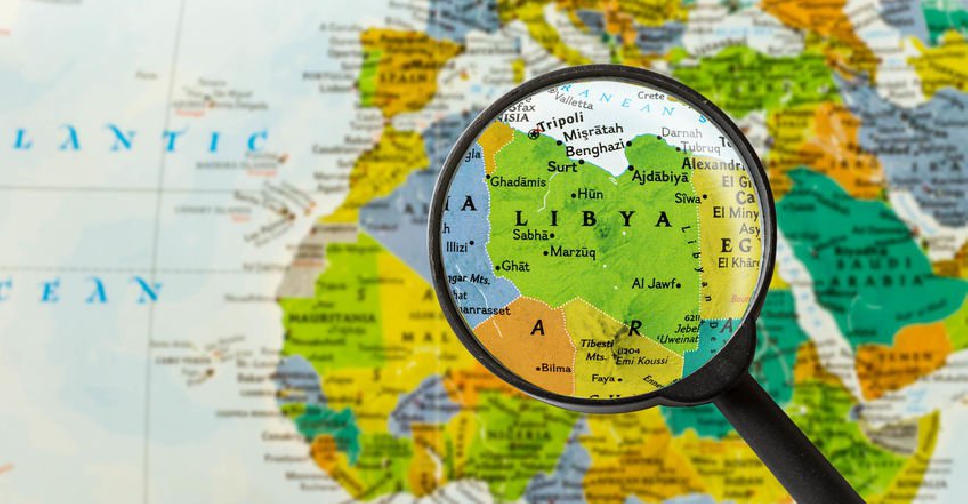
Libya’s eastern-based government has banned the entry of nationals of four African countries on Tuesday, a decision a government source said was due to a "reorganisation of foreign nationals’ entry to Libya".
"Citizens of Sudan, Eritrea, Ethiopia and Somalia are prohibited from entering Libyan territory through all land, sea, and air ports,” according to a decree by the parallel government in Libya’s second-largest city Benghazi.
The Benghazi-based government of Osama Hamad is allied to military commander Khalifa Haftar, who controls the east and large areas of southern Libya.
The internationally recognised government of Abdulhamid Dbeibah, who came to power through a UN-backed process in 2021, is based in Tripoli.
An eastern-based government source told Reuters that the decision is aimed at "reorganising foreign nationals’ entry to Libya".
The decision exempts members of accredited diplomatic and consular missions and family members from the four countries.
It also exempts workers in the education, medical, and allied health professions services provided they obtain the necessary approvals and valid work contracts from relevant authorities.
Libya has become a transit route for migrants fleeing conflict and poverty to Europe across the Mediterranean since the fall in 2011 of Muammar Gaddafi to a NATO-backed uprising. Factional conflict has split the country since 2014.
The North African country is home to more than 900,000 migrants, according to UN data collected early this year.

 Nepal to rebuild early-warning system on China border after deadly flood, sources say
 US House passes bill to crack down on university boycotts of Israel
 Kuwait air defences deal with Iranian missile, drone attacks
 Spain's PM Sanchez says no evidence Morocco orchestrated Ceuta border surge
 Two Palestinian teens killed in West Bank raid by Israeli settlers, army
 Latest Indonesian free meal poisoning outbreaks affect 800, lawmaker says
 Chinese students marooned in floods unleashed by Typhoon Saudel's rains
 US and Iran exchange attacks as lull in war appears over