

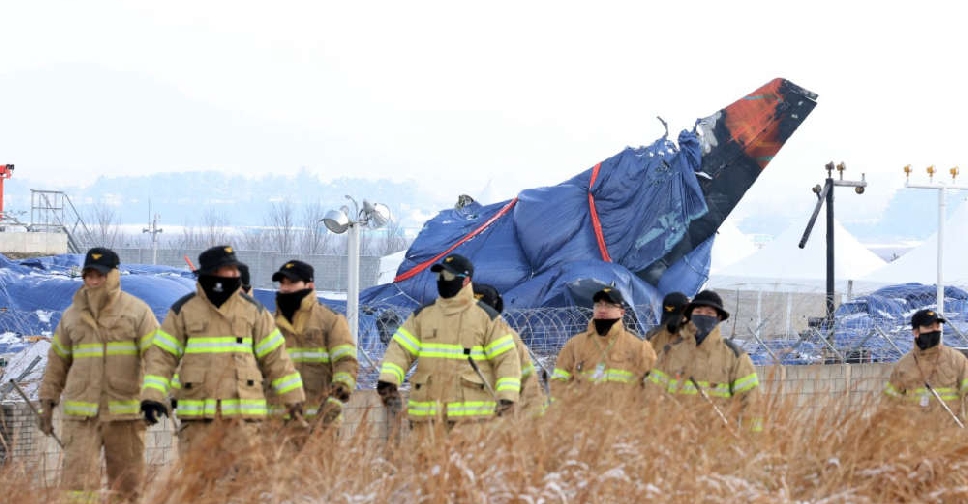
The flight data and cockpit voice recorders on the Jeju Air jet that crashed on December 29 stopped recording about four minutes before the airliner hit a concrete structure at South Korea's Muan airport, the transport ministry said on Saturday.
Authorities investigating the disaster that killed 179 people, the worst on South Korean soil, plan to analyse what caused the "black boxes" to stop recording, the ministry said in a statement.
The voice recorder was initially analysed in South Korea, and, when data was found to be missing, sent to a US National Transportation Safety Board laboratory, the ministry said.
The damaged flight data recorder was taken to the United States for analysis in cooperation with the US safety regulator, the ministry has said.
Jeju Air 7C2216, which departed the Thai capital Bangkok for Muan in southwestern South Korea, belly-landed and overshot the regional airport's runway, exploding into flames after hitting an embankment.
The pilots told air traffic control the aircraft had suffered a bird strike and declared emergency about four minutes before it crashed into the embankment exploding in flames. Two injured crew members, sitting in the tail section, were rescued.
Two minutes before the Mayday emergency call, air traffic control gave caution for "bird activity". Declaring emergency, the pilots abandoned the landing attempt and initiated a go-around.
But instead of making a full go-about, the budget airline's Boeing 737-800 jet took a sharp turn and approached the airport's single runway from the opposite end, crash-landing without landing gear deployed.
Sim Jai-dong, a former transport ministry accident investigator, said the discovery of the missing data from the crucial final minutes was surprising and suggests all power including backup may have been cut, which is rare.
The transport ministry said other data available would be used in the investigation and that it would ensure the probe is transparent and that information is shared with the victims' families.
Some members of the victims' families have said the transport ministry should not be taking the lead in the investigation but that it should involve independent experts including those recommended by the families.
The investigation of the crash has also focussed on the embankment, which was designed to prop up the "localiser" system used to assist aircraft landing, including why it was built with such rigid material and so close to the end of the runway.

 Iran denies talks with US after Trump postpones strikes on power grid
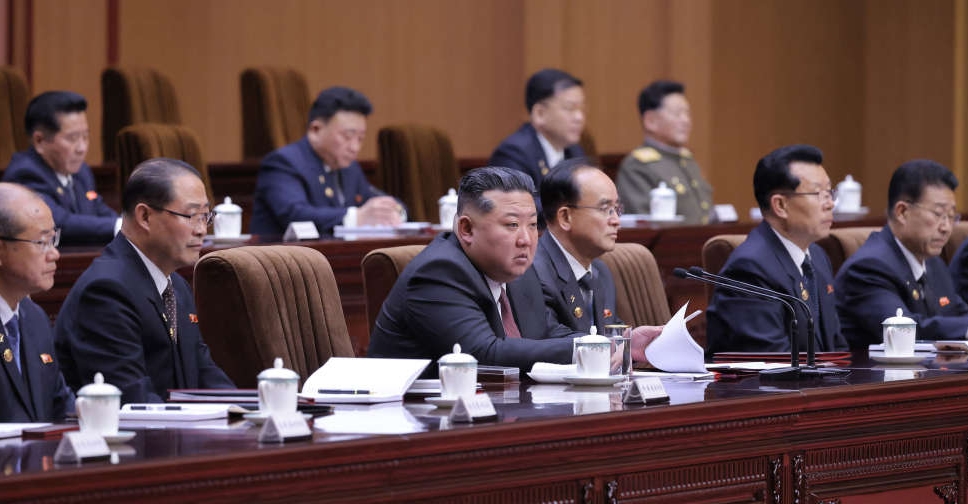 Kim Jong Un says North Korea’s nuclear status is irreversible, threatens South
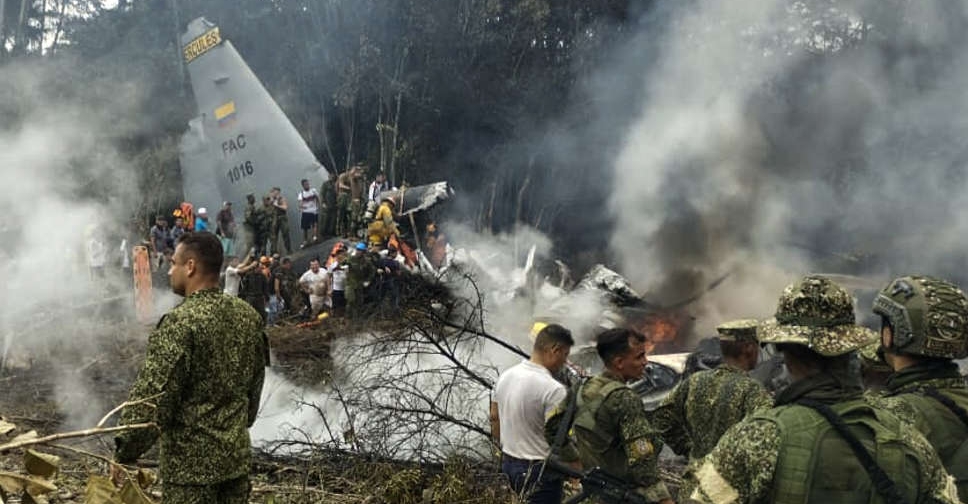 At least 34 killed in Colombia military plane crash, governor says
 Ukraine's Zelenskyy says Russia preparing new massive attack
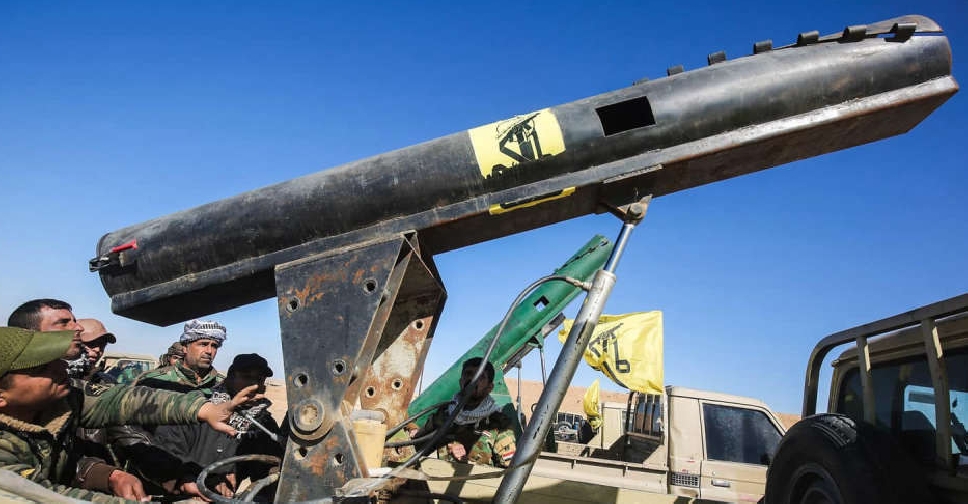 Rockets launched from Iraq’s Mosul towards US base in Syria
 Hong Kong police given new powers to obtain phone, computer passwords
 ICE agents begin deploying at some US airports
 Air Canada jet collision shuts LaGuardia; pilots killed, dozens injured