


Lebanon's caretaker Prime Minister Najib Mikati said Israel's expansion of attacks indicate a rejection of efforts made to reach a truce, as fighting and air raids around the country continued.
“The Israeli enemy’s renewed expansion of the scope of its aggression on Lebanese regions, its repeated threats to the population to evacuate entire cities and villages, and its renewed targeting of the southern suburbs of Beirut with destructive raids, are all indicators that confirm the Israeli enemy’s rejection of all efforts being made to secure a ceasefire,” Mikati said in a statement.
On Friday early morning, Israeli forces renewed strikes on Beirut's suburbs after a four-day lull in the area. An Israeli military spokesman had issued an evacuation order of several buildings before at least 10 strikes were conducted.
A series of Israeli strikes killed six health workers in southern Lebanon on Thursday. Israel also bombarded areas around the eastern city of Baalbek on Thursday for a second consecutive day after issuing evacuation notices for the entire city, the largest to date.
The statement comes a day after Mikati expressed hope for a Lebanon ceasefire within days, after a 60-page draft agreement was released by an Israeli news outlet.
US envoy for the Middle East Amos Hochstein, also traveled to Israel on Thursday for discussions.
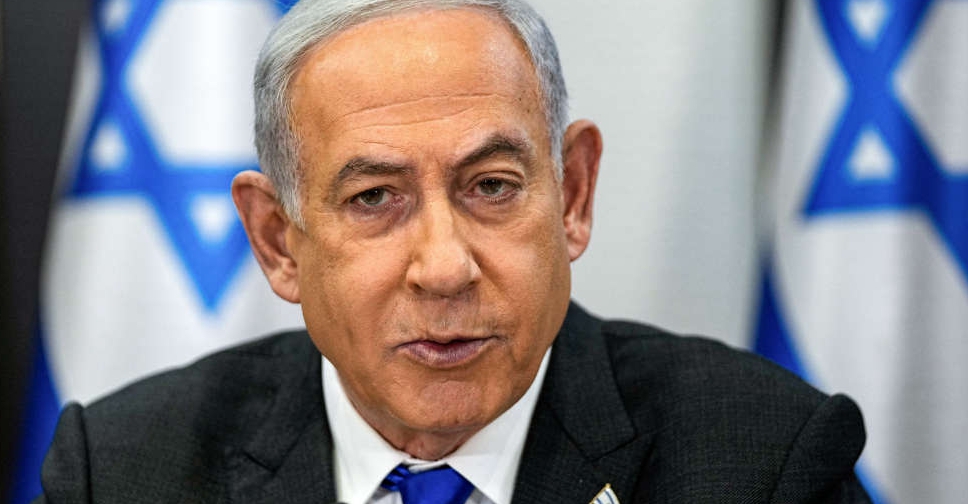
Israeli Prime Minister Benjamin Netanyahu met with US officials on Thursday. He reportedly told US envoys that Israel's ability to counter threats to its security from Lebanon and return displaced people to the north were key elements of any ceasefire deal with Lebanon.

 Kuwait foils terror plot targeting state leaders
 Iran rejects Trump's talk of negotiation as Israel and Iran launch airstrikes
 Cyprus has opened discussion with UK over its bases, president says
 Netanyahu seeks to avoid snap vote as Iran war gives no boost in polls
 Luxury Paris hotel near Elysee reopens after fire forces brief closure
 Germany renews push for sugar tax and energy drinks ban for children
 No injuries reported as drone attack hits fuel tank at Kuwait's airport
 US expected to send thousands more soldiers to Middle East