

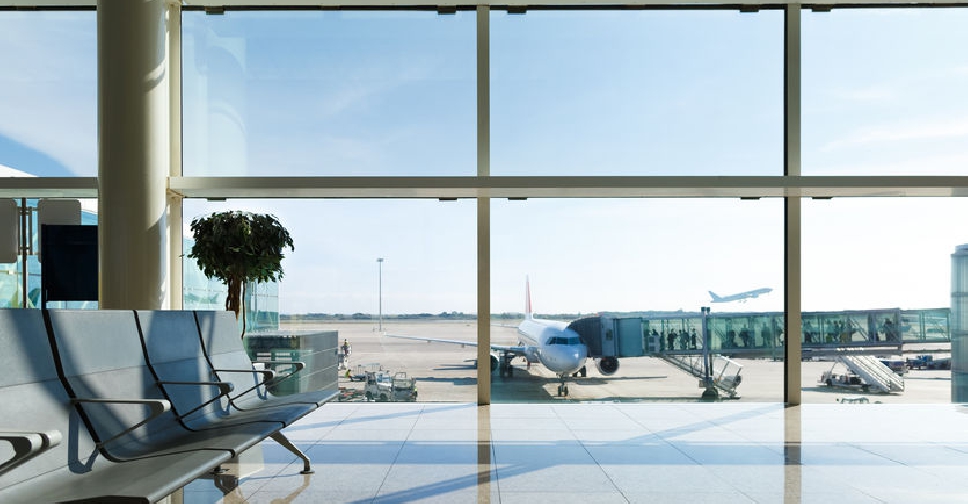
Israel said on Monday it will admit foreigners with presumed COVID-19 immunity from countries deemed medium-risk next week, partially reversing a ban imposed in late November in response to the fast-spreading Omicron variant.
The change suggests Prime Minister Naftali Bennett's government sees waning value in sweeping travel curbs - which wrecked winter tourism - as domestic coronavirus cases surge.
The Health Ministry said that, as of January 9, foreign travellers from 199 "orange" countries will be admitted if they can prove they are vaccinated or have recovered from COVID-19.
Orange-listed countries include Australia, Italy and Ireland. The ministry recommended that South Africa, Nigeria, Spain, Portugal, France and Canada, among 16 countries listed as "red" or high COVID-19 risk, be changed to "orange".
The announcement came even as Bennett predicted that new cases could increase tenfold within days. The rapid pace of infection has led to many Israelis waiting hours in lines for COVID-19 tests, although Omicron has not brought corresponding rises in mortality.
Health Minister Nitzan Horowitz said Israel would adjust its criteria for compulsory testing and focus primarily on people at high risk. Subsequently, more Israelis "will be required to exercise personal responsibility and perform tests at home", he said in televised remarks on Monday.
The government's strategy is focused on vaccinations, with a fourth dose - or second booster - offered to vulnerable cohorts. Within a day of making it available, 100,000 people received or made an appointment to get the second booster.
"I closed the skies five weeks ago when everything was good," Bennett said in a televised address on Sunday, referring to Israel's Nov. 25 ban on most travel to and from red-listed countries after Omicron was first detected abroad.
"And, over the coming week, it would be reasonable for us to reopen anew."
The United States, Britain, United Arab Emirates, Ethiopia, Tanzania, Mexico, Switzerland and Turkey remain on Israel's red list, the health ministry said. Visitors from those countries require advance special permission from an Israeli committee to enter.
Israel has also scaled down precautionary self-isolation periods for people who have been exposed to COVID-19 carriers, concerned that mass quarantining could paralyse the economy.


 Iran denies talks with US after Trump postpones strikes on power grid
 Israeli minister calls for annexation of southern Lebanon
 Kim Jong Un says North Korea’s nuclear status is irreversible, threatens South
 Japan to start releasing oil from joint stockpiles by end-March, PM says
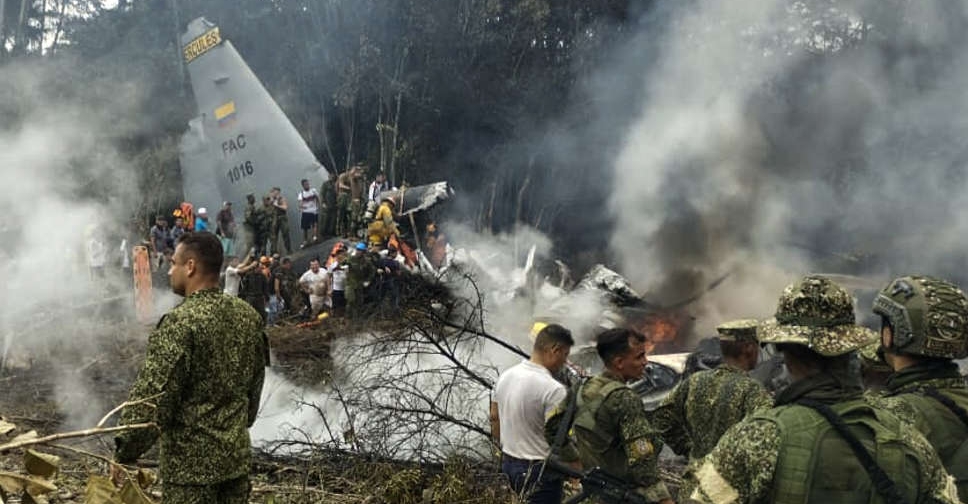 Death toll nearly doubles to 66 in Colombian military plane crash
 Seven overhead power lines out of service due to falling debris in Kuwait
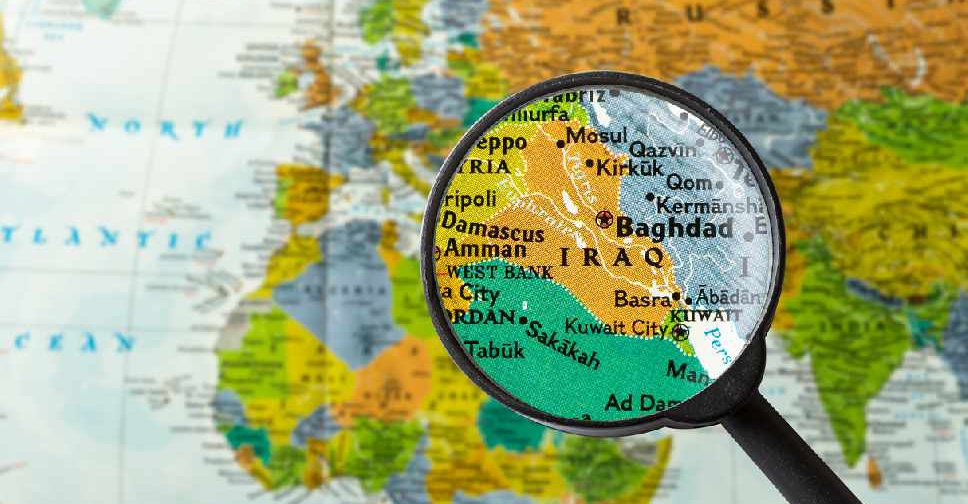 Airstrikes on Iraqi site kill 10 fighters including commander
 Ukraine's Zelenskyy says Russia preparing new massive attack