

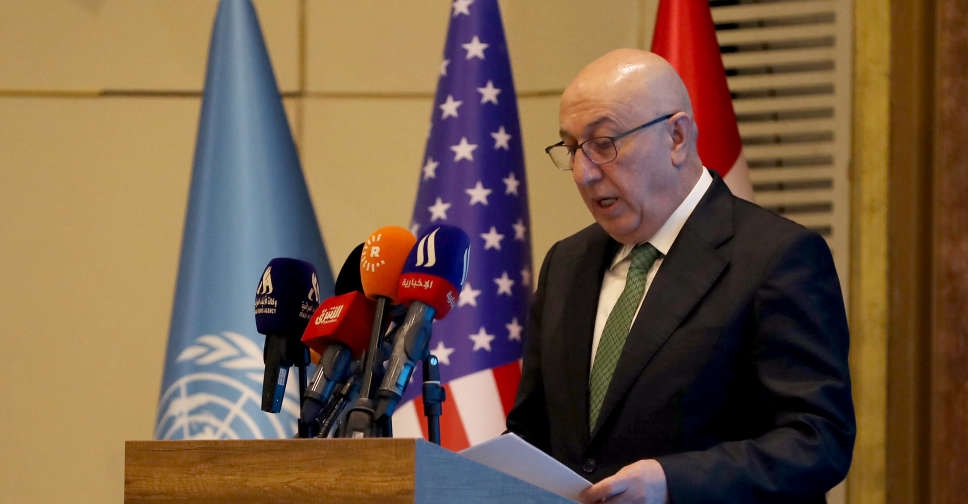
The Iraqi parliament on Saturday elected Kurdish politician Nizar Amedi as the country's new president, a largely ceremonial role, following a parliamentary election last November.
Amedi, 58, is a former environment minister and has headed the political office of the Patriotic Union of Kurdistan (PUK) in Baghdad since 2024.
Iraq is now due to choose a prime minister, a closely-watched and sensitive pick.
US President Donald Trump threatened in January to withdraw Washington's support for Iraq, a major oil producer, if former Prime Minister Nouri al-Maliki was designated to form a cabinet.
An alliance of Shi'ite political blocs holding a parliamentary majority has nominated Iran-backed Maliki, alarming Washington, which along with Israel waged a six-week war with Iran until a ceasefire was announced on Tuesday.
Senior US and Iranian officials were meeting in Islamabad on Saturday in the highest-level talks between Washington and Tehran in half a century in an effort to end the war.
In Iraq, which has long trodden a tightrope between Iran and the US, its closest allies, the prime minister wields significant power.
Under Iraq's sectarian power-sharing system, the prime minister must be a Shi'ite Muslim, the parliamentary speaker a Sunni Muslim, and the president a Kurd.

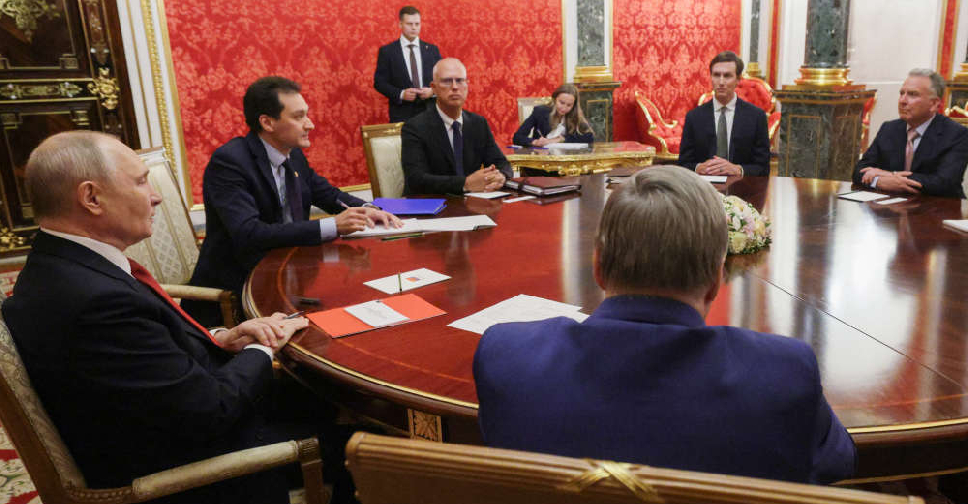 Putin says US-Russia contacts beneficial as talks begin with Witkoff and Kushner
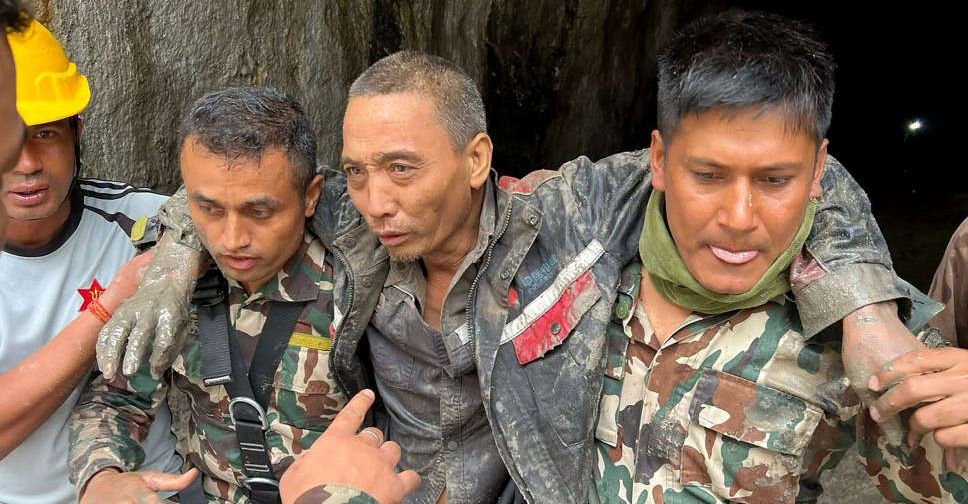 Chinese national rescued from Nepal tunnel 10 days after flash flood
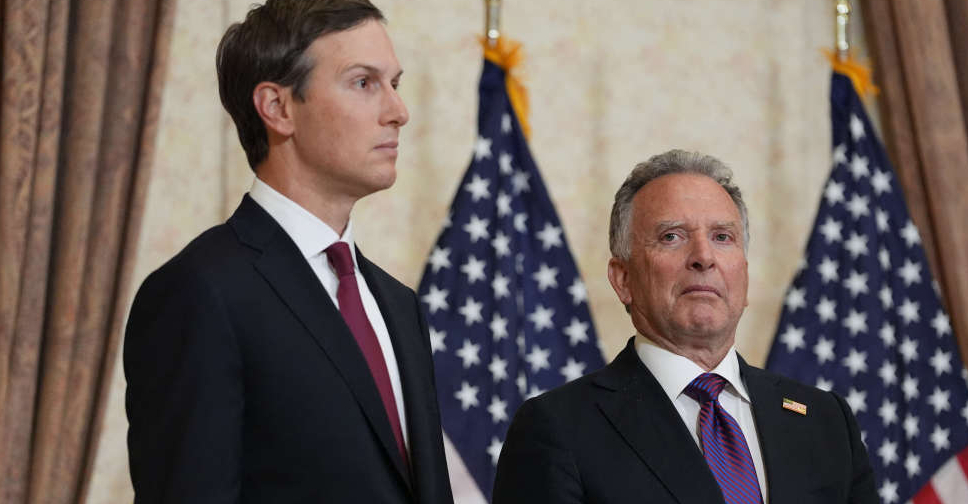 US envoys Witkoff, Kushner arrive in Moscow for talks on peace in Ukraine
 One dead, 11 people missing after mudslide in China's Jiangxi province
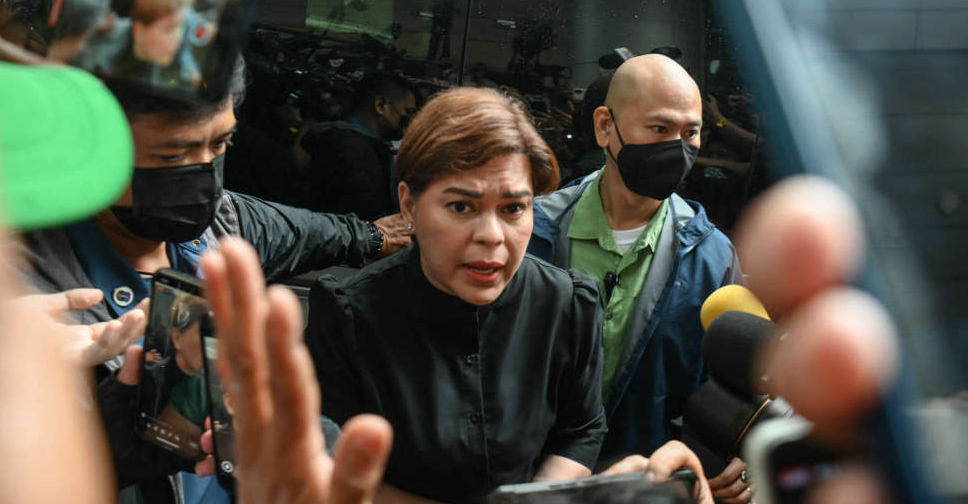 Philippine VP Duterte posts bail after arrest order for alleged grave threats
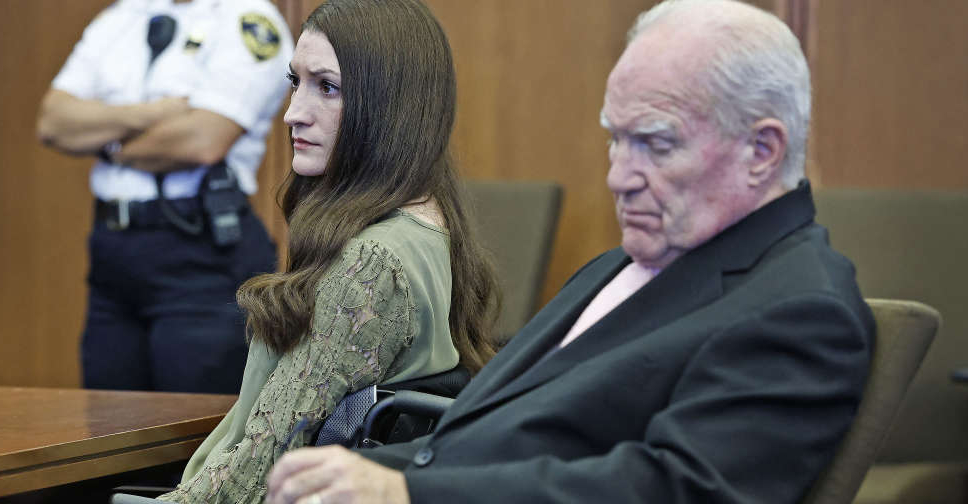 Lindsay Clancy trial over killing her children ends in mistrial
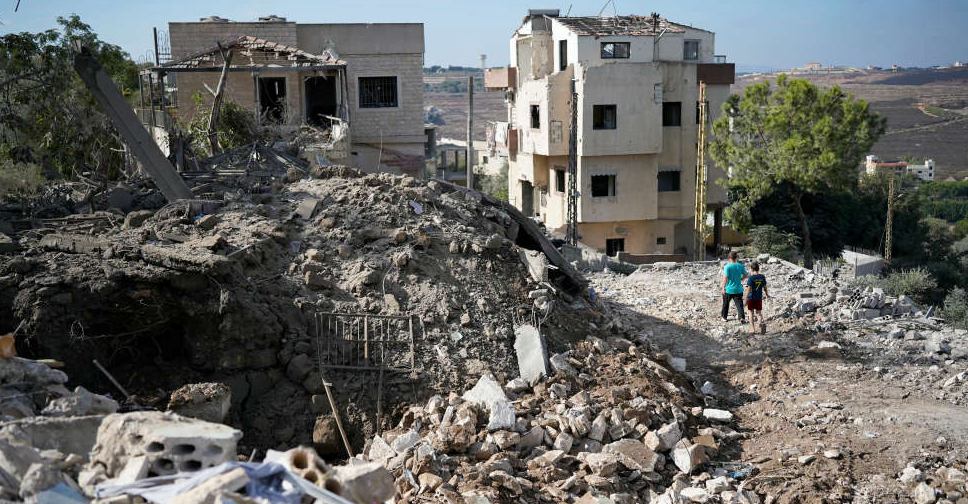 Israel says it strikes southern Lebanon after Hezbollah drone launch
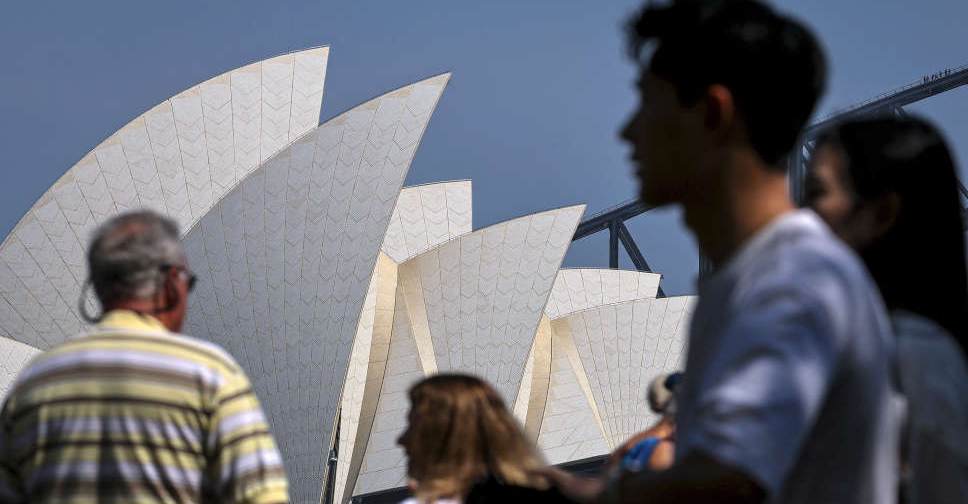 Sydney sweats in spring hot spell, faces 'extreme' bushfire risk