

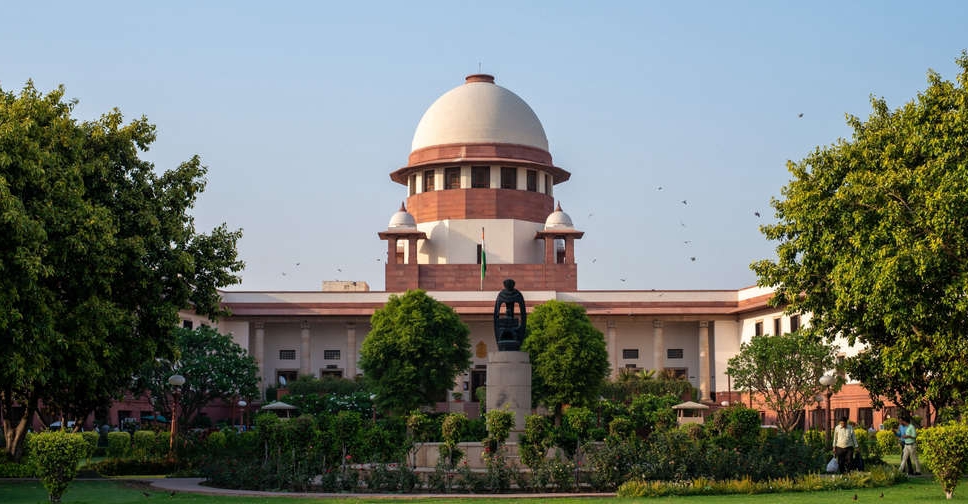
India's Supreme Court has ordered the State Bank of India to submit all the details of so-called electoral bonds issued under an opaque political funding system, just a month before general elections.
The further details of the controversial funding mechanism, introduced in 2017 but subsequently scrapped, are expected to make public information linking donors to political parties over the last five years, and the size of their donations.
Corporate funding of political parties is a sensitive matter in India, where the February scrapping of electoral bonds, along with the publicising of the names of donors and recipients, has become a hot topic ahead of elections.
The Supreme Court gave the state-run lender until Thursday to provide the Election Commission of India with the unique identification numbers of the bonds, so as to allow donors to be matched with recipients.
"You have to disclose all details ... we must have finality to it," Chief Justice D.Y. Chandrachud said.
The election commission, in its turn, was directed to make the information public "forthwith".
Last week, the commission made public some data on donations made since April 2019 under the funding mechanism that allowed anonymous unlimited donations by companies and individuals using the electoral bonds.
Some of India's biggest companies, such as Vedanta Ltd, Bharti Airtel, RPSG Group and Essel Mining were among the top political funders over the last five years, the data showed.
But last week's data did not link donors to recipients, though it showed that nearly half of all donations were received by the Bharatiya Janata Party (BJP) of Prime Minister Narendra Modi, who will seek a rare third term at the polls.
Critics say such bonds helped companies hide their donations to avoid any accusations of winning favours from the ruling party.
On Sunday, the leader of the main opposition Congress party, Rahul Gandhi, accused Modi's government of using electoral bonds to extort money from companies, an accusation the government has strongly denied.
Industry bodies Assocham, the Confederation of Indian Industry and the Federation of Indian Chambers of Commerce and Industry sought to stop the court from making public information about who donated to which party.
"Protection of anonymity is critical for preserving donors' privacy and guarding against any adversity by any opposing political factions to whom the investment is not made by a corporate," Assocham said.
The court did not hear their plea.

 Trump extends deadline for striking Iran's energy plants to April 7
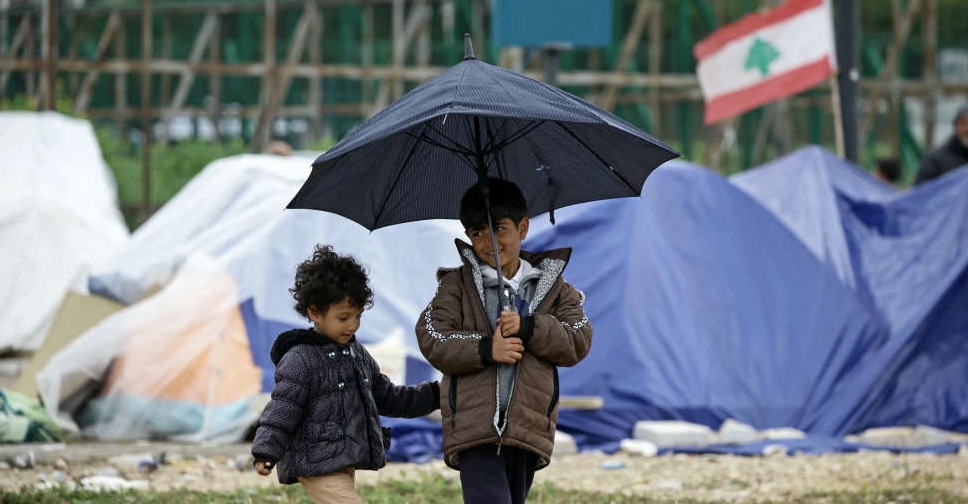 Israeli evacuation orders uproot 370,000 children in Lebanon, UN says
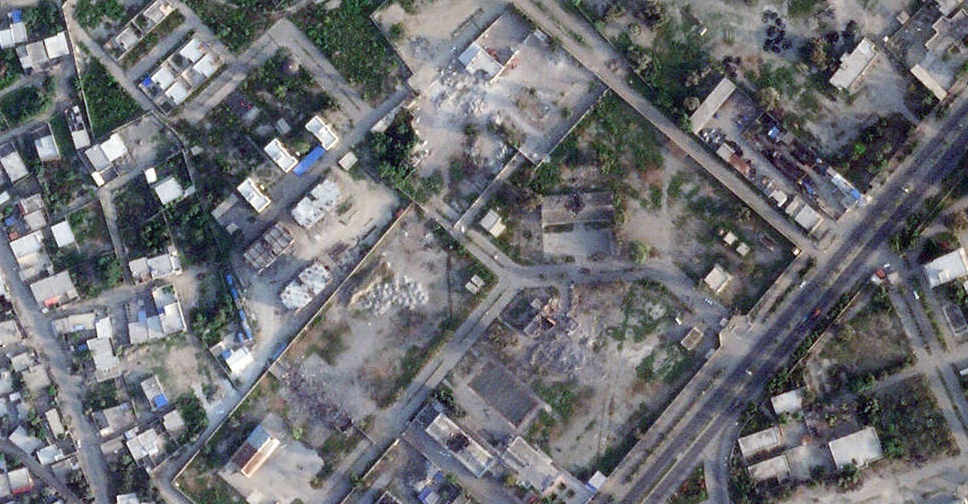 UN rights chief urges US to conclude probe into deadly Iran school strike
 No injuries reported as Kuwait Shuwaikh Port comes under drone attack
 IRGC-linked cells targeting Bahrain referred to Criminal Court
 Austria plans social media ban for children under 14
 Trump says Iran's 'present' to US was allowing 10 oil tankers through Hormuz
 EU agrees to fine online platforms importing unsafe products