

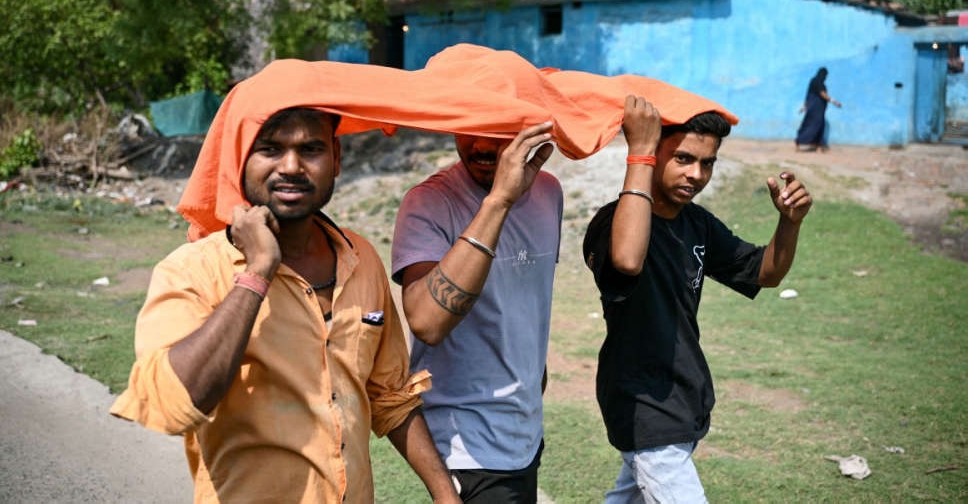
The world's largest election may become the hottest on Saturday as Indians participate in the next-to-last voting phase, with temperatures forecast to surge to 47 degrees Celsius in the capital, New Delhi.
More than 111 million people in 58 constituencies across eight states and federal territories are eligible to vote in the general election's sixth phase, which recorded a 10.82 per cent turnout in the first two hours of the 11-hour poll.
The overall turnout in the same phase of the last elections in 2019 was about 63 per cent.
"There is a concern, but we hope that people will overcome the fear of the heatwave and come and vote," Delhi Chief Electoral Officer P. Krishnamurthy told Reuters.
Voting in the elections began on April 19 and will conclude on June 1, with counting set for June 4.
Prime Minister Narendra Modi, leader of the Hindu-nationalist Bharatiya Janata Party (BJP), who is favoured to win a third consecutive term, also asked people to "vote in large numbers" in a message on social media platform X on Saturday.
The Election Commission has deployed paramedics with medicines and oral hydration salts at polling stations in Delhi, which have additionally been equipped with mist machines, shaded waiting areas and cold water dispensers for voters.
In some parts of the northern state of Haryana, people residing near polling booths also pitched in to help voters beat the heat, handing out cold drinks, dry fruits and milk free of cost.
Among those who cast their ballot early in Delhi were Rahul Gandhi, leader of the main opposition Congress party and Modi's main rival, his mother, Sonia Gandhi and sister, Priyanka Vadra.
"We are keeping all our grievances aside and casting our vote for our constitution and democracy," Vadra told reporters.
Opposition leader and Delhi Chief Minister Arvind Kejriwal, whose bail after pre-trial detention of nearly two months in a graft case has given fresh impetus to the opposition campaign, also voted in the capital.
Price rise and unemployment were two of the major issues mentioned by voters to Reuters when asked about the factors that determined their ballot.
"The government boasts about fast economic growth, but the reality on the ground is very different," said Delhi voter Fazal, 46, who only gave his first name and works at a multinational corporation, adding he also voted to "save democracy".
Ashok Ghana, a plumber in the eastern state of Odisha, who said he voted for the BJP, added that "price rise and the non-availability of jobs" were the issues he considered.
Among those who voted based on the situation in their region was property dealer Praveen Chauhan, 43, in Delhi.
"My main issues are clean water, electricity, access to good healthcare and education," he said, adding that the Kejriwal-led Delhi government "has given us that till now".
While the heatwave was a concern in Delhi, a cyclone that is expected to hit land tomorrow was being closely watched in eastern Odisha and West Bengal, parts of which are also voting on Saturday.

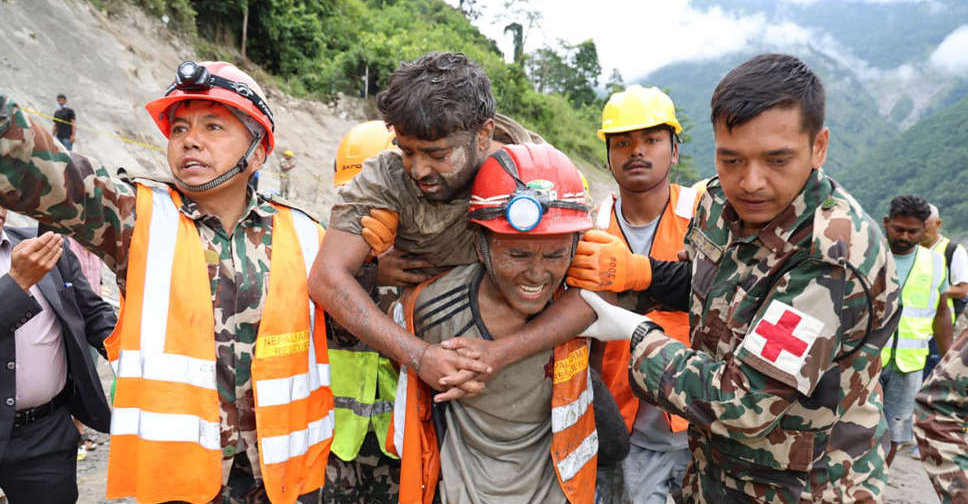 Nine days after disaster, two pulled alive from Nepal hydropower tunnel
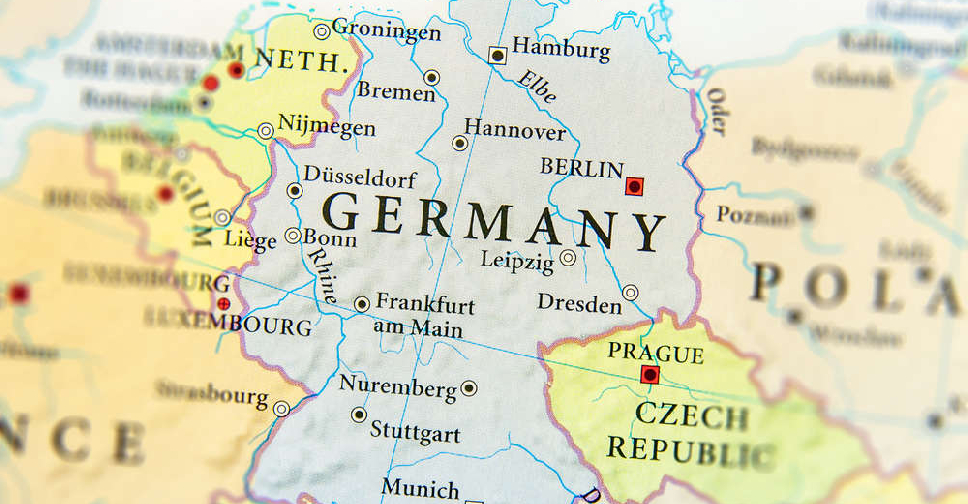 Germany launches manhunt after spate of sabotage attacks on power grid
 Air India sack Phuket-Delhi pilot who failed drug test
 Wildfires spread near Indonesia's new capital, prompting calls for action
 Philippine court issues warrant for VP Duterte's arrest in grave threats case
 Typhoon Saudel brings torrential rain, flooding to China's coastal areas
 US investigates deadly strike on Iranian wedding
 India food safety crackdown targets company of Nepal's 'Noodle King'