

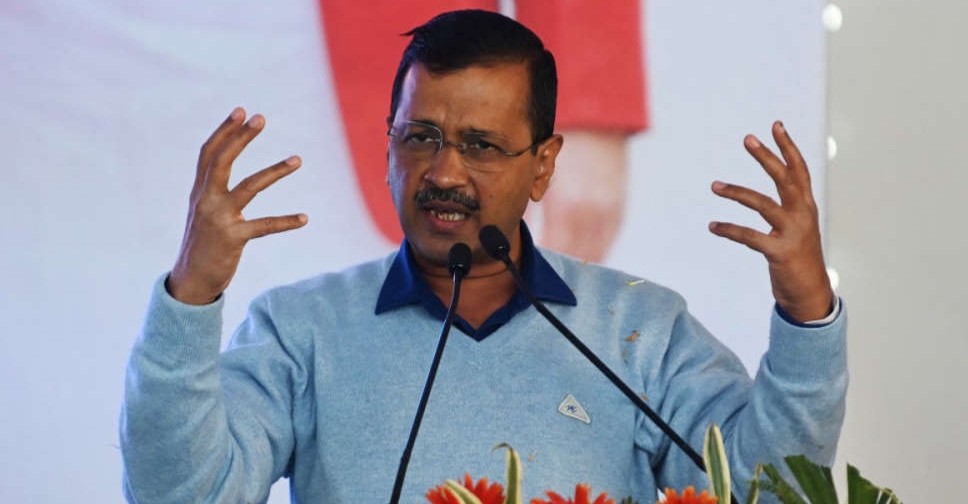
India's Supreme Court granted interim bail on Friday to opposition leader and Delhi Chief Minister Arvind Kejriwal in a graft case, but he will stay in jail due to his arrest in another case.
Kejriwal was arrested in March by the Enforcement Directorate (ED), India's financial crime-fighting agency, over alleged corruption in the city's alcohol sales policy.
A fierce critic of Prime Minister Narendra Modi and a former anti-corruption crusader, Kejriwal, 55, denies any wrongdoing and calls the case politically motivated.
His lawyers had challenged his arrest in the top court, which referred the matter to a larger bench while giving him temporary relief.
"Given that right to life and liberty is sacrosanct, and Arvind Kejriwal has suffered incarceration for over 90 days ... we direct that Arvind Kejriwal will be released on interim bail," Justice Sanjiv Khanna said.
However, Kejriwal remains in detention because of his arrest last month by the Central Bureau of Investigation (CBI), India's federal police, in another corruption case related to the Delhi liquor policy.
His counsel Vivek Jain told Indian news agency ANI that he will seek his release on bail in the CBI case at the Delhi High Court on July 17.
Kejriwal's decade-old Aam Aadmi Party (AAP) has quickly risen in mainstream politics and voted to power in Delhi and in the northern state of Punjab, but its clout is still relatively smaller than older parties.
He was previously granted temporary bail by the top court for three weeks until June 2 to campaign in national elections.

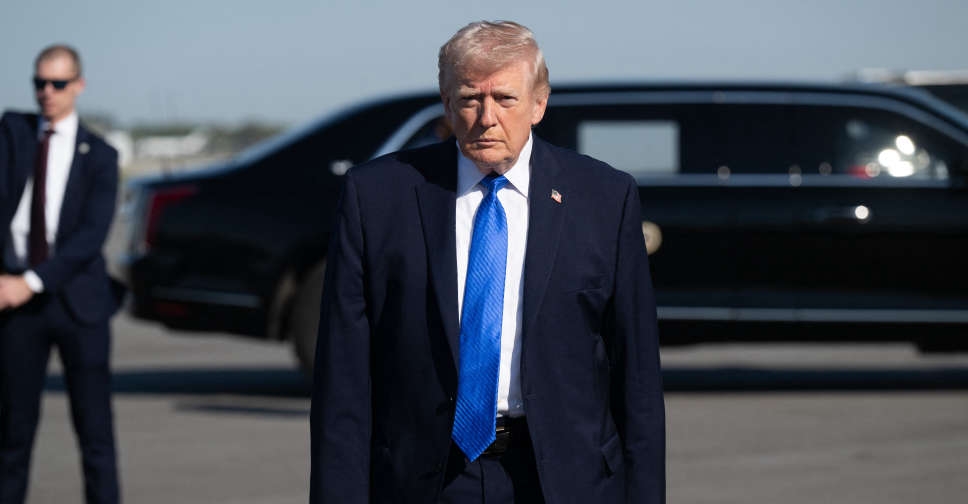 Iran rejects Trump's talk of negotiation as Israel and Iran launch airstrikes
 No injuries reported as drone attack hits fuel tank at Kuwait's airport
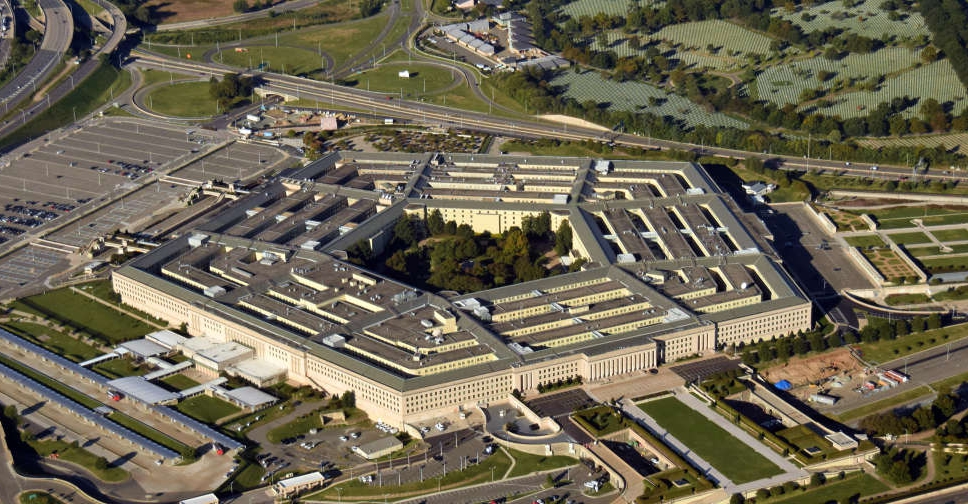 US expected to send thousands more soldiers to Middle East
 Philippines works with Washington to obtain oil from US-sanctioned countries
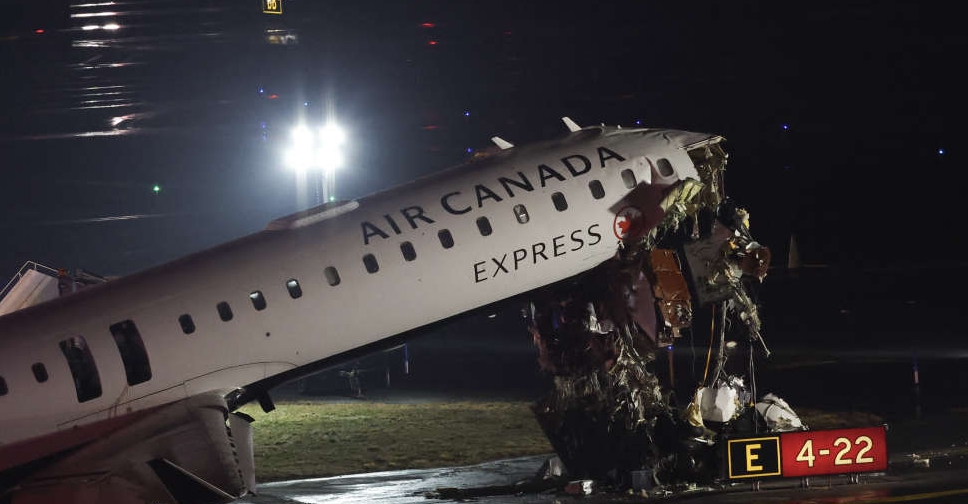 US safety agency says tracking system failed at LaGuardia during jet collision
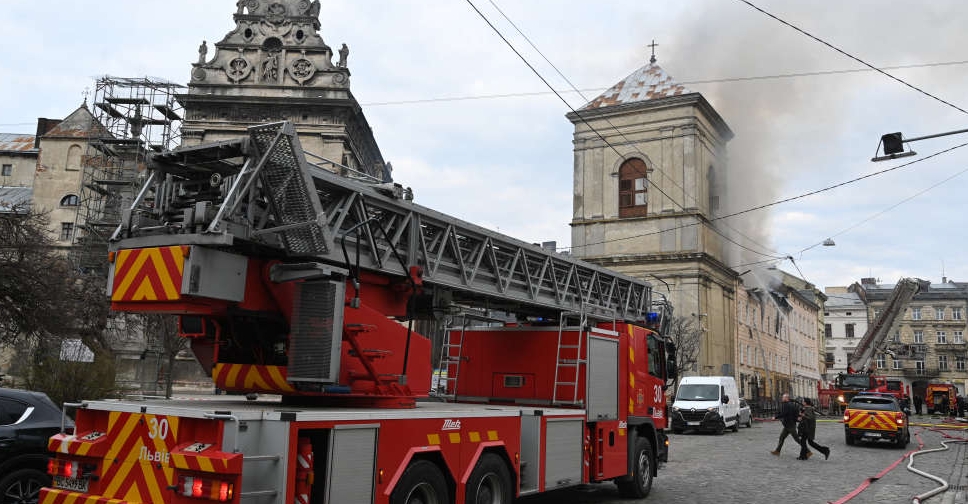 Russia fires record 948 drones against Ukraine over 24 hours, Kyiv says
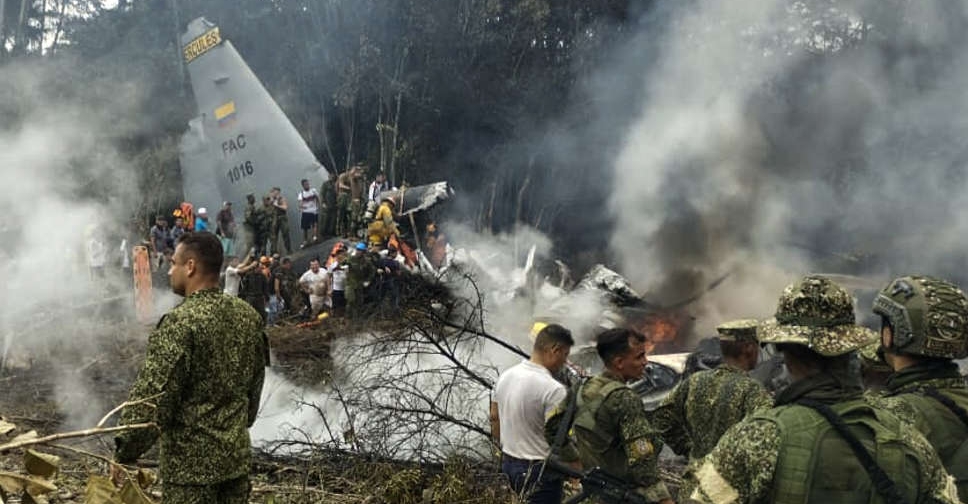 Death toll rises to 69 in Colombian military plane crash
 One killed, five injured in Bahrain from Iran strikes