

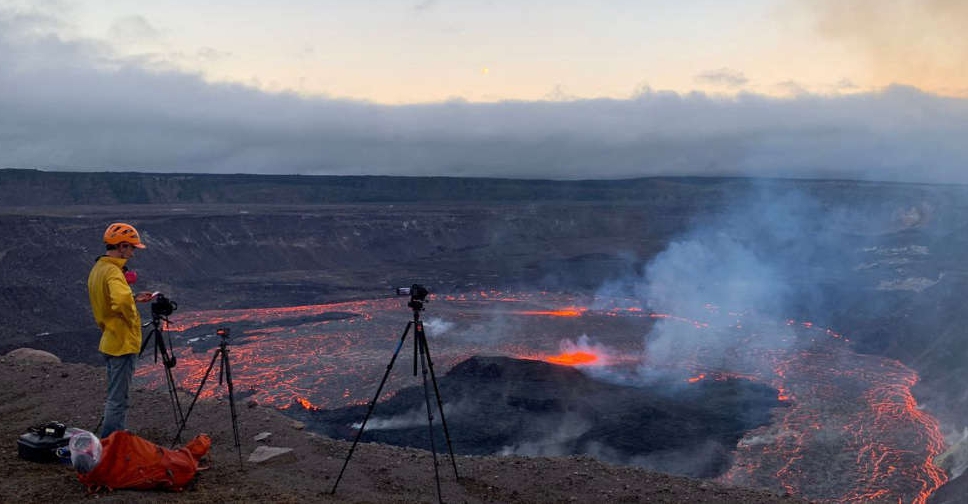
The Kilauea volcano in Hawaii has begun erupting, the U.S. Geological Service's volcanic activity notice said, after detecting a glow in the summit producing smog that is confined within the Hawaii Volcanoes National Park.
The volcano alert level was raised to 'Red' after an evaluation of the eruption and associated hazards, the notice said.
USGS said the volcanic gas, which consists of sulphur dioxide and other gases, could produce a visible haze of volcanic smog, known as 'vog', which has been observed in the downwind of Kilauea.
Vog has the potential to generate airborne health hazards for residents and visitors, causing breathing difficulties and also damaging agricultural crops.
Known to be the younger and more active neighbor of Mauna Loa, which erupted in November for the first time since 1984, the Kilauea volcano has been erupting since 2021.
However, Mauna Loa's eruption has had no impact and remains quiet, USGS said.


 Iran denies talks with US after Trump postpones strikes on power grid
 Kim Jong Un says North Korea’s nuclear status is irreversible, threatens South
 Ukraine's Zelenskyy says Russia preparing new massive attack
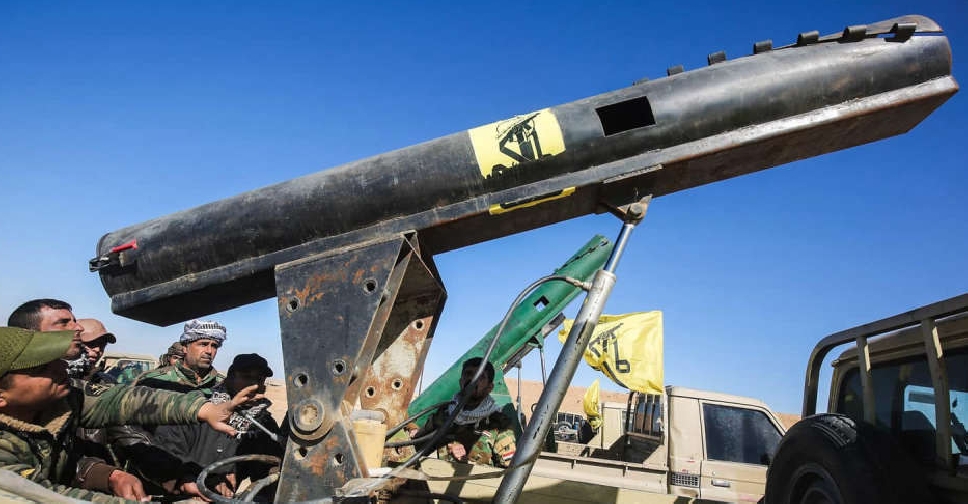 Rockets launched from Iraq’s Mosul towards US base in Syria
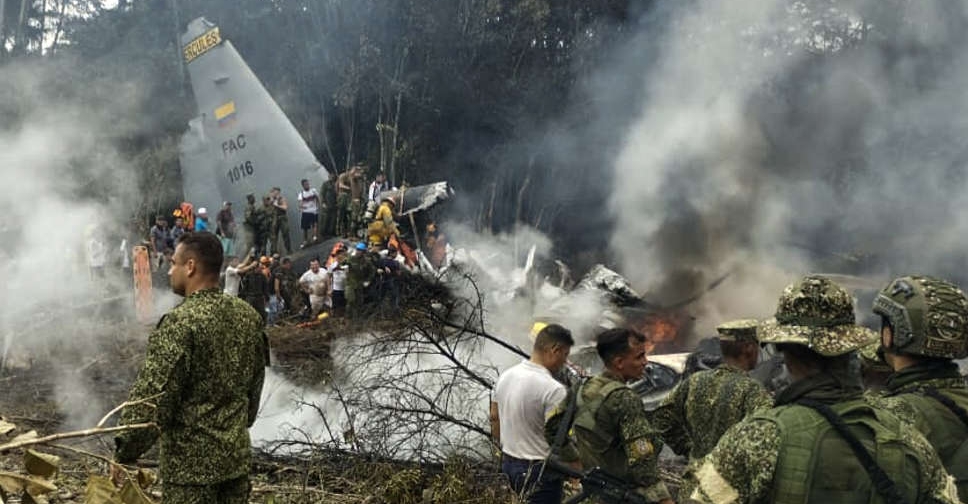 One killed, 77 hospitalised after Colombian military plane crashes
 Hong Kong police given new powers to obtain phone, computer passwords
 ICE agents begin deploying at some US airports
 Air Canada jet collision shuts LaGuardia; pilots killed, dozens injured