
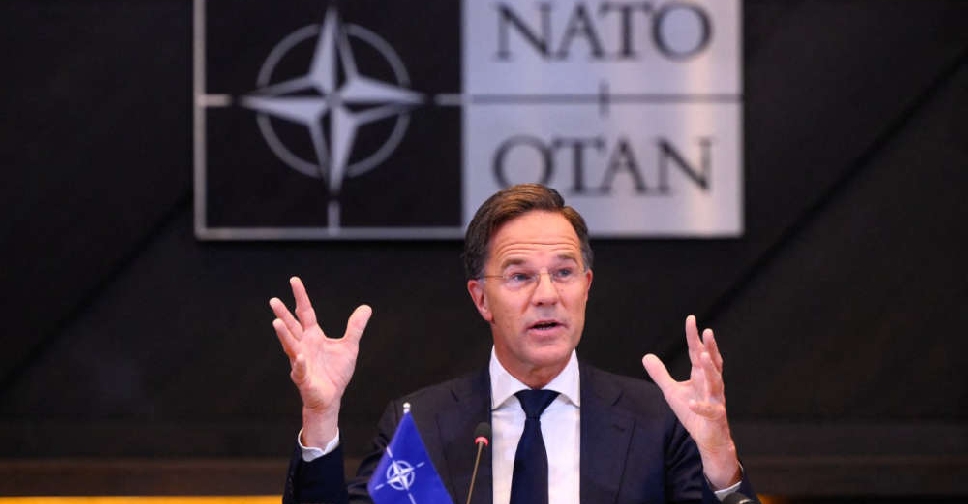
Former Dutch Prime Minister Mark Rutte on Tuesday officially took over as the boss of NATO after the outgoing head of the alliance Jens Stoltenberg passed a ceremonial gavel to him to mark the occasion.
It comes just weeks before the November 5 US presidential vote that pits Democrat Kamala Harris against Republican Donald Trump, who has been highly critical of NATO.
Rutte voiced strong support for Ukraine and said he was not worried about the upcoming US election as he could work with Trump or Harris.
He played down concerns within the transatlantic alliance about the vote in NATO's predominant power, telling reporters at NATO headquarters: "I'm not worried."
"I worked for four years with Donald Trump. He was the one pushing us to spend more (on defence), and he achieved - because ... we are now at a much higher spending level than we were when he took office," Rutte said.
NATO estimates that 23 of its 32 members will meet its target of spending at least 2% of GDP on defence this year, compared to just three countries a decade ago.
Officials say some of that is down to Trump but much of it was propelled by Russia's 2022 invasion of Ukraine.
Rutte said Trump had also been right to push NATO to focus more on China. He repeated a NATO assertion that China has become a "decisive enabler" of Moscow's war effort in Ukraine by supplying Russia with important technology.
Rutte also praised Harris, saying she had a "fantastic record as vice president" and was a "highly respected leader".
On the war in Ukraine, he avoided a direct answer when asked whether Kyiv was winning. NATO members provide the vast majority of weapons and ammunition supplied to Ukraine.
Rutte said the situation on the battlefield was "difficult" and Russia had made "limited" gains this year but at a high cost. He said he had seen estimates that 1,000 Russian soldiers were recently being killed or wounded every day.
"We have to make sure that Ukraine prevails as a sovereign, independent, democratic nation," he said.
Signalling continuity with Stoltenberg, Rutte said he had three main priorities - making sure NATO had the capabilities to protect against any threat, supporting Ukraine and addressing global challenges by working with partners "near and far".
The war in Ukraine has put NATO - founded in 1949 to deter and defend against any attack on Western Europe by the Soviet Union - back at the centre of international affairs.
While Western leaders stress NATO is a defensive alliance, Moscow has long insisted it is a threat to Russia's security.
The Kremlin said on Tuesday it did not expect any improvement in relations with NATO under Rutte.
Russia's invasion of Ukraine prompted NATO to send thousands more troops to its eastern flank and to radically revamp its defence plans to take the possibility of an attack from Moscow more seriously than at any point since the end of the Cold War.
One of Rutte's key tasks will be to persuade NATO members to come up with the extra troops, weapons and spending to fully realise the new defence plans, diplomats and analysts say.

 UN establishes task force to address Hormuz navigation challenges
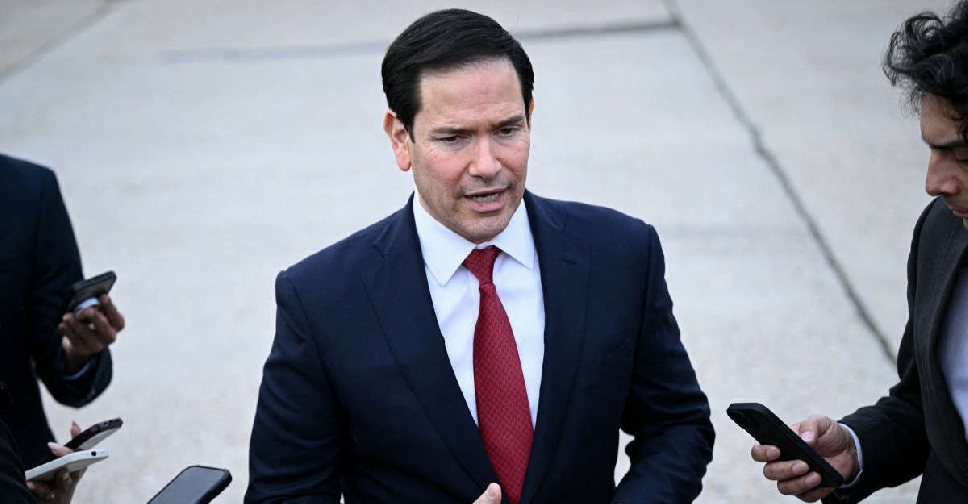 Rubio says Iran war to last 'weeks not months'; no ground troops needed
 Iran-linked hackers breach FBI director's personal email
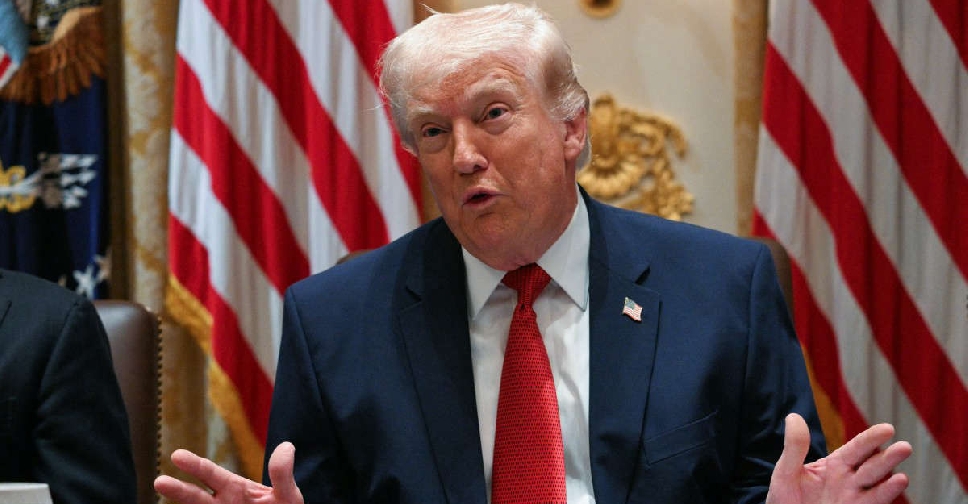 Trump extends deadline for striking Iran's energy plants to April 7
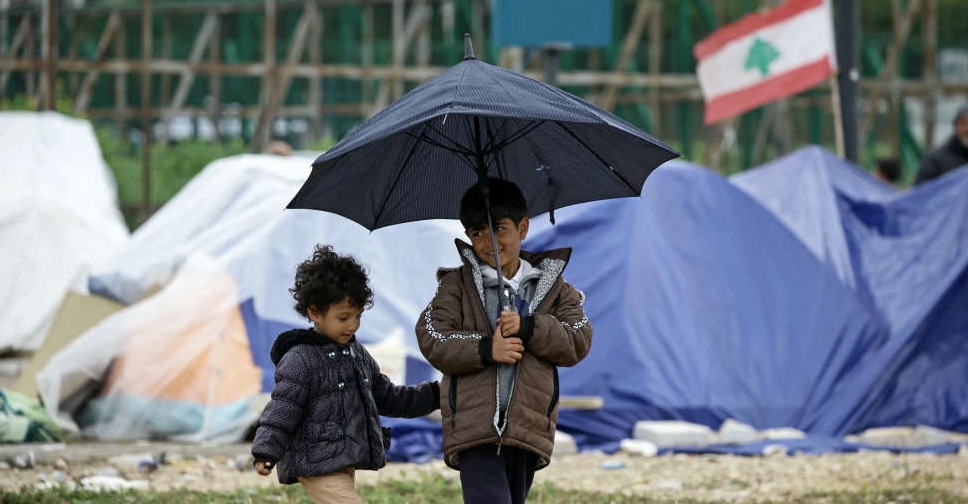 Israeli evacuation orders uproot 370,000 children in Lebanon, UN says
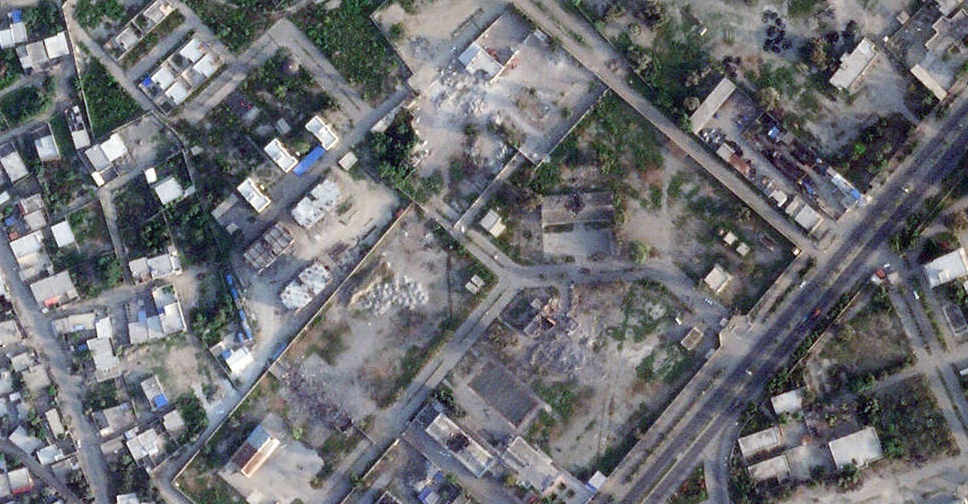 UN rights chief urges US to conclude probe into deadly Iran school strike
 No injuries reported as Kuwait Shuwaikh Port comes under drone attack
 IRGC-linked cells targeting Bahrain referred to Criminal Court