
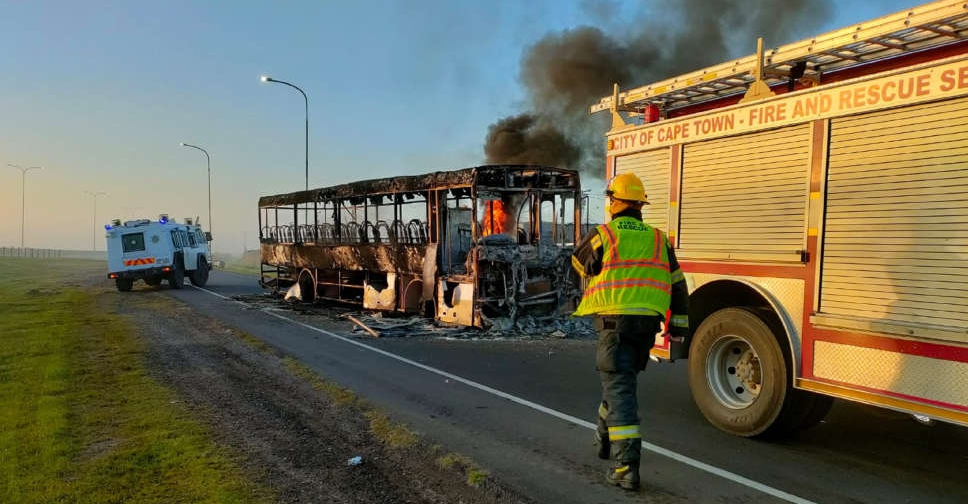
Five people have been killed in the South African city of Cape Town as a strike by mini-bus taxi drivers that began last week turned violent.
The South African National Taxi Council (SANTACO) announced a one-week provincial shutdown last Thursday after failing to resolve various issues with the local government in Cape Town.
The grievances arose after a new municipal law gave local authorities the power to impound vehicles for violations such as driving without a licence, or registration plates.
Sporadic violence erupted in different parts of the city after police began impounding vehicles last week, as angry protesters torched buses and cars and pelted the police with stones.
Among the dead was a 40-year old British national, who was shot and killed on Thursday, South African police minister Bheki Cele said in a media briefing on Tuesday, adding the murders and the violence were being investigated.
He said 120 suspects had been arrested since Thursday for damaging property, looting and public violence.
The office of the City of Cape Town said the strike had severely affected people commuting to work and at times left them stranded due to attacks on public transportation services.
"In Cape Town, violence will never be tolerated as a negotiating tactic. We reiterate our call on SANTACO to return peacefully to the negotiation table," said Cape Town city mayor Geordin Hill-Lewis.
SANTACO has distanced itself from the violence and said such acts were fuelled by protesters, not its members.


 Saudi-led coalition says helicopter crash in Najran kills 2 crew members
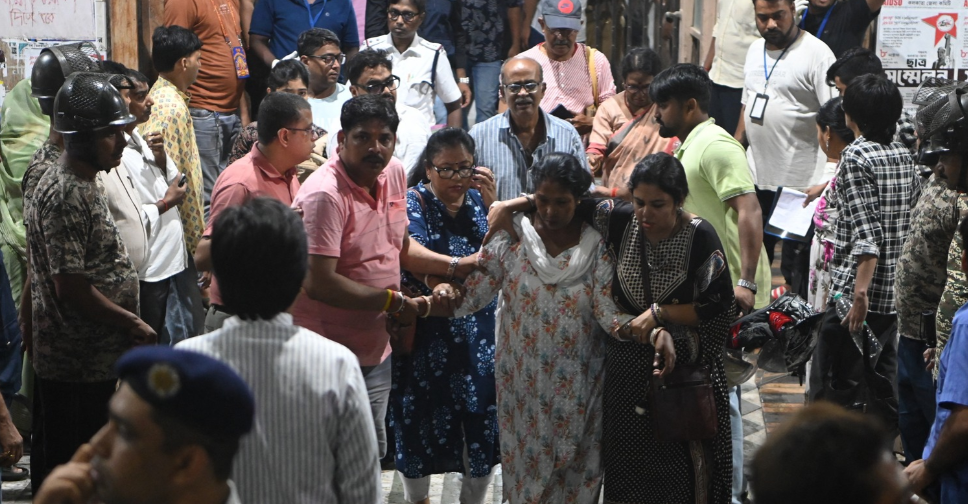 At least 17 killed in stampede at festival in India's Kolkata
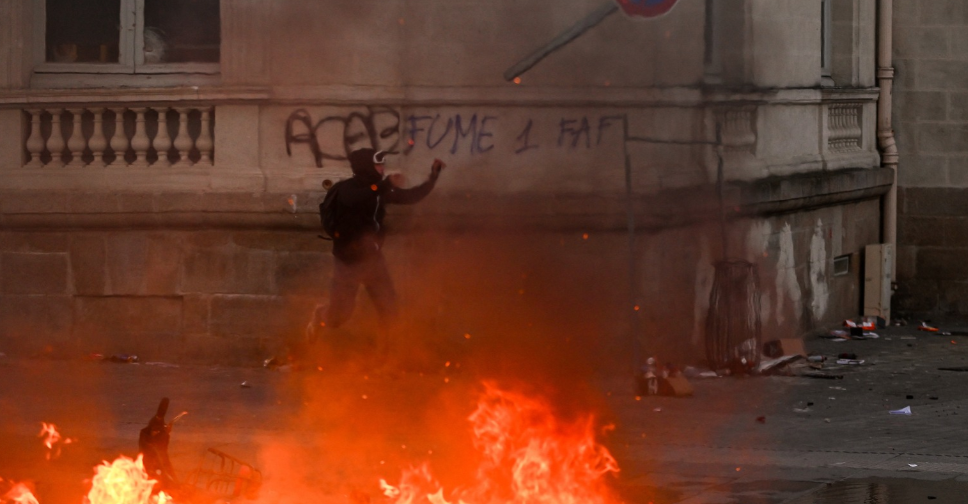 France faces aftermath of worst unrest in years
 DR Congo confirms Ebola outbreak has spread to eighth province
 2 killed, 11 injured in Kansas after truck drives through soccer game, police say
 Pope Leo pledges gradual return to duties in first event since cancer surgery
 1 killed, 15 injured in Ukrainian drone attack on Russia, governor says
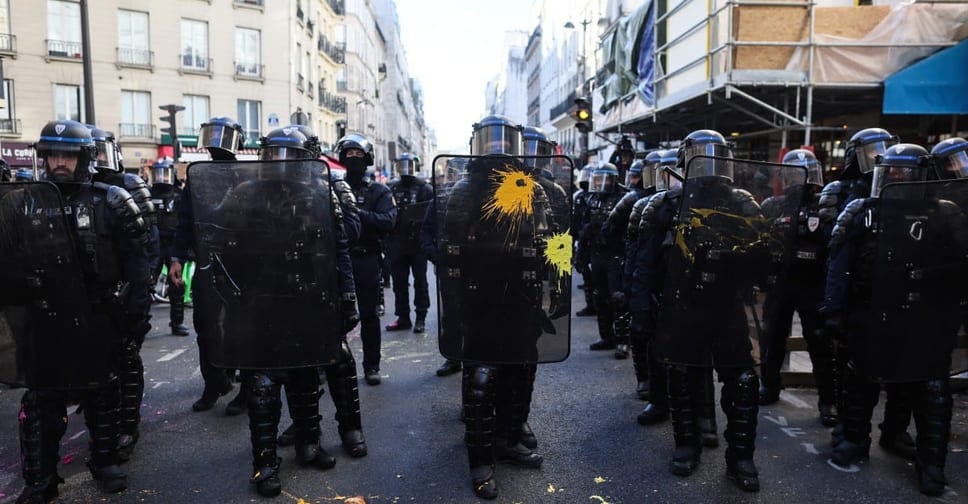 French protesters take to streets over rising prices and social strain