

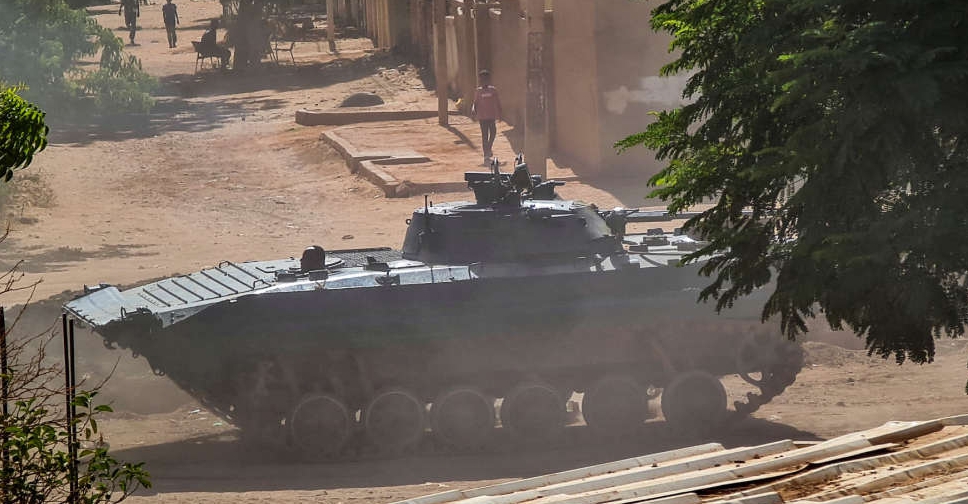
Sporadic clashes between the Sudanese army and a powerful paramilitary force spilled over into Thursday, puncturing the relative calm in the capital of Khartoum and raising the risk that a week-long internationally-brokered truce would crumble.
The ceasefire, which is being monitored by Saudi Arabia and the United States as well as the warring parties, was reached after five weeks of warfare in Khartoum and outbursts of violence in other parts of Sudan, including the western region of Darfur.
The fighting pits Sudan's army against the paramilitary Rapid Support Forces (RSF) and has worsened a humanitarian crisis, forced over 1.3 million people to flee their homes and threatened to destabilise the wider region.
The army, led by career officer General Abdel Fattah al-Burhan, relies on airpower while the RSF, commanded by former militia leader General Mohamed Hamdan Dagalo, widely known as Hemedti, has spread out and taken cover in Khartoum's streets.
It is unclear whether either side has gained an edge in a conflict that threatens to destabilise regional countries.
Clashes between rival military factions broke out on Wednesday in Khartoum and other cities, residents said.
The ceasefire was agreed to on Saturday following talks in Jeddah. Previous ceasefire announcements have failed to stop the fighting. In statements late on Wednesday, the army and RSF accused each other of violating the agreement.
The RSF said it was forced to defend itself against land, artillery and air strikes by the army. The army in turn accused the RSF of attacks on the country's mint, army airbases and several cities west of the capital.
The conflict erupted in mid-April as plans for an internationally backed political transition toward elections under a civilian government were set to be finalised.
Many residents are struggling to survive as they face prolonged water and power cuts, a collapse of health services and widespread lawlessness and looting.
Sudan was facing severe humanitarian pressures even before the conflict broke out.
More than 1 million people have been displaced within Sudan and 319,000 have fled to neighbouring countries, some of which are similarly impoverished and have a history of internal conflict, according to the International Organisation for Migration.
Many have crossed into Chad and Egypt in the last few days, said Filippo Grandi, head of the UN refugee agency.


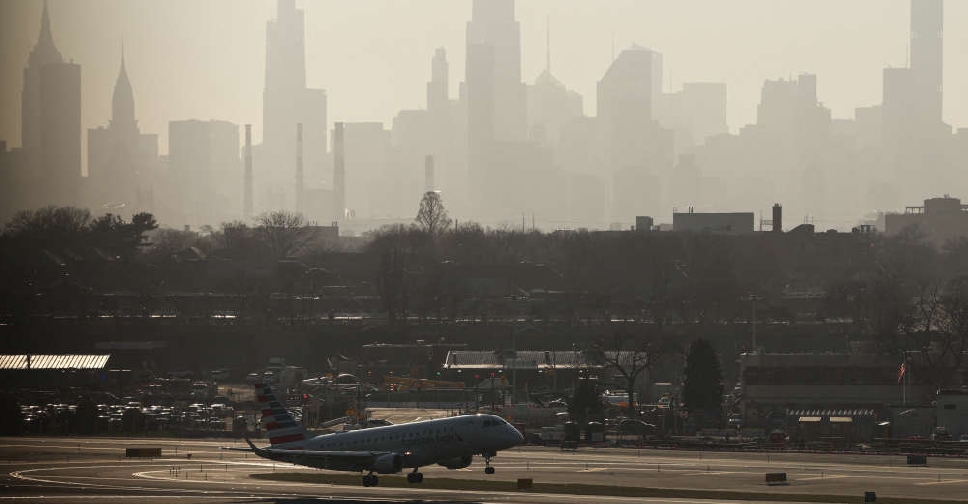 Air Canada Express plane hits ground vehicle at New York's La Guardia airport
 Kuwait launches probe into espionage, state security cases
 Trump, Iran threaten to escalate conflict with attacks on energy and water facilities
 Ambulances from Jewish community organisation torched, UK police say
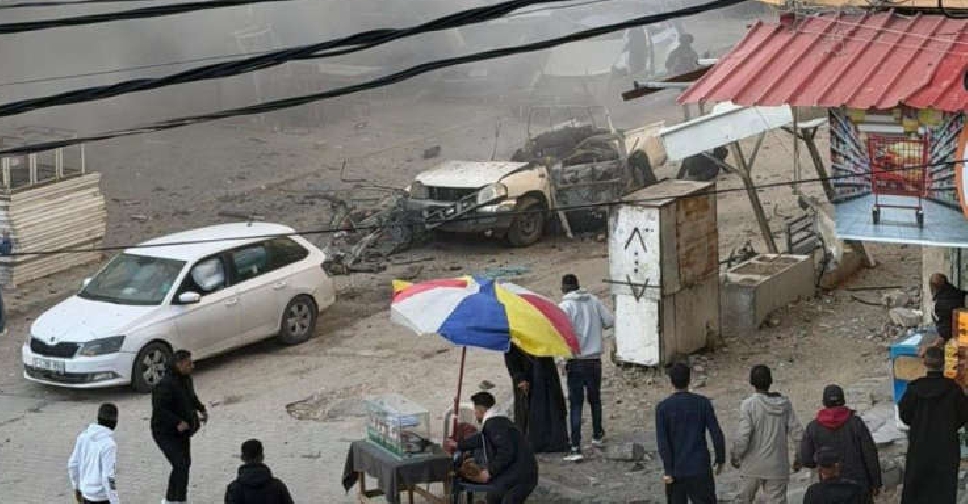 Israeli airstrikes kill four in Gaza, Palestinian officials say
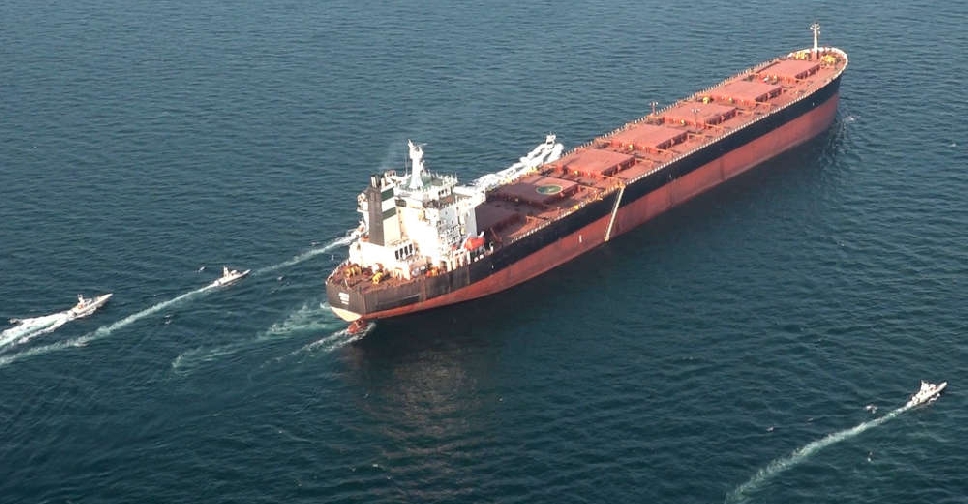 Iran says Hormuz open to all but ‘enemy-linked’ ships
 GCC renews condemnation of ongoing Iranian attacks
 Seven killed in Qatar helicopter crash due to technical malfunction