

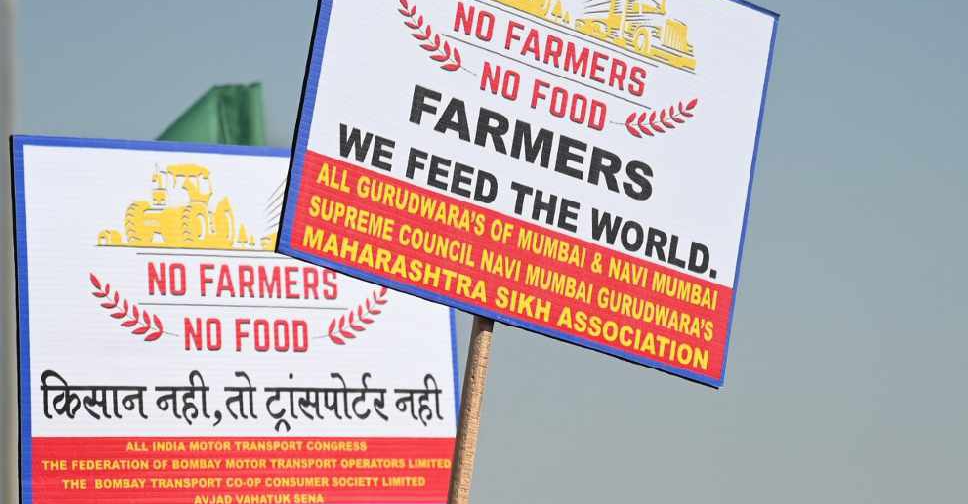
Farmers' protests against new laws liberalising agricultural markets spread across India on Tuesday.
The nationwide strike came after inconclusive talks with Prime Minister Narendra Modi's government.
In eastern and western states, farmers blocked roads and squatted on railway tracks, delaying people getting to work, and preventing perishable produce from reaching markets.
Farmers from the northern states of Punjab and Haryana, neighbouring New Delhi, have been at the vanguard of the agitation since last month, and have set up protest camps in and around the capital.
The reforms enacted in September loosened rules around the sale, pricing and storage of farm produce that have protected farmers from an unfettered free market for decades.
Assured of floor prices, most currently sell the bulk of their produce at government-controlled wholesale markets, known as mandis.
The ruling Bharatiya Janata Party (BJP) has said the reforms would not hurt farmers' incomes. More talks between the government and farmer organisations are due on Wednesday.
Amid the coronavirus pandemic, protest sites around New Delhi have turned into camps, with entire families cooking and sleeping in the open and Sikh religious organisations were providing them with face masks, water and food.
At least 20 regional and national opposition parties backed the call for the strike.


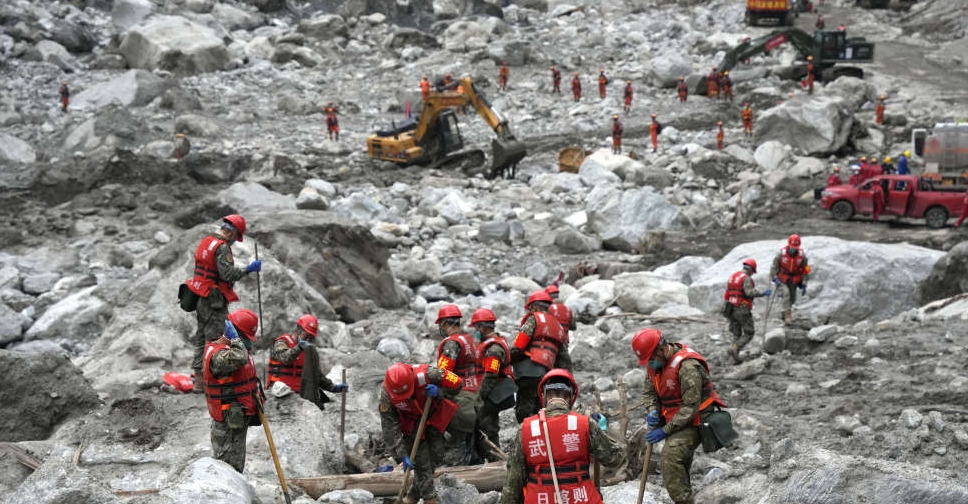 Nepal to rebuild early-warning system on China border after deadly flood, sources say
 Kuwait air defences deal with Iranian missile, drone attacks
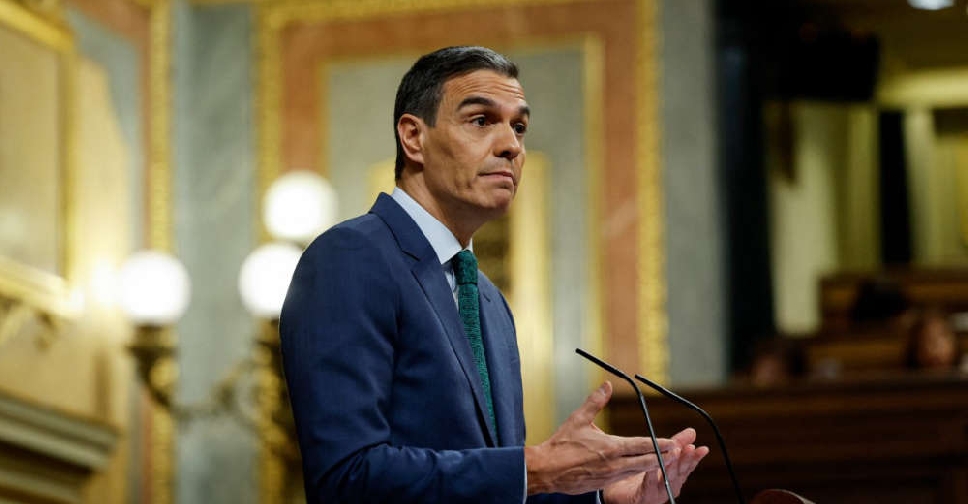 Spain's PM Sanchez says no evidence Morocco orchestrated Ceuta border surge
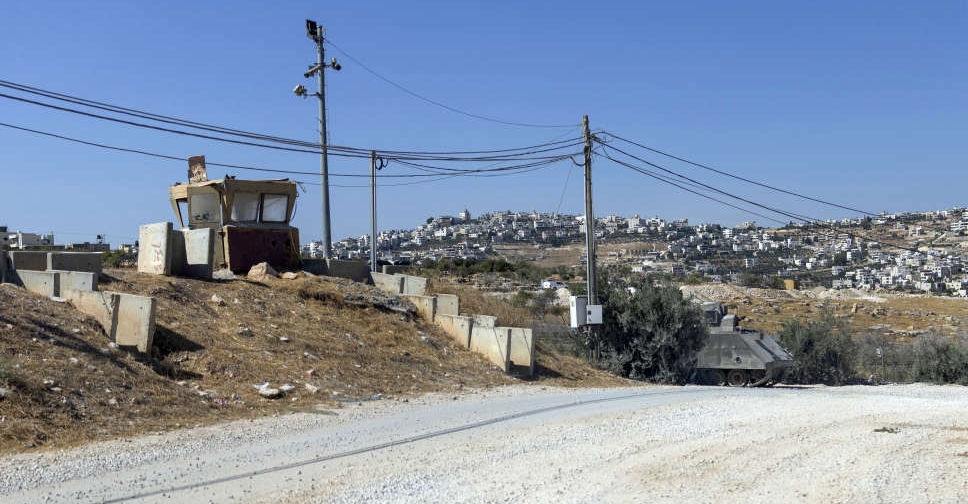 Two Palestinian teens killed in West Bank raid by Israeli settlers, army
 Latest Indonesian free meal poisoning outbreaks affect 800, lawmaker says
 Chinese students marooned in floods unleashed by Typhoon Saudel's rains
 US and Iran exchange attacks as lull in war appears over
 Malta court clears businessman over murder of investigative journalist