Canada will start recognising molecular COVID-19 tests conducted at an accredited lab in South Africa for residents returning home, dropping a heavily criticised travel restriction introduced to prevent the spread of the Omicron variant.
Ottawa had faced pressure from doctors, stranded passengers and the World Health Organisation to reverse requirements that travelers from 10 southern African countries get molecular PCR (polymerase chain reaction) tests in a third country before returning to Canada.
Canada has now dropped the need to obtain a pre-departure negative COVID-19 PCR test from a third country, according to a travel advisory issued on Saturday. The exemption will be in place till January 7 next year and apply to all indirect flights departing from South Africa to Canada, the advisory added.
There is no change to Canada's ban on all foreign travelers from 10 African countries.
Canada, the United States, the UK and other countries have enacted Africa-specific travel bans even as Omicron is detected in more than 50 countries around the world.
But few countries have imposed Omicron restrictions similar to Canada's requirement. The head of the World Health Organisation, Tedros Adhanom Ghebreyesus, called actions barring southern African countries "disappointing" and "dismaying" in a tweet.
US President Donald Trump and Iran threatened to escalate their war by attacking energy and desalination facilities in the Gulf, a potential widening of hostilities that could deepen a regional crisis and add to concerns in global markets.
An Israeli airstrike on a police vehicle on Sunday killed three people in the middle of the Nuseirat camp in the central Gaza Strip, health officials said, hours after another person was killed in a strike on northern Gaza.
The Strait of Hormuz remains open to all shipping except vessels linked to "Iran's enemies", Iran's representative to the UN maritime agency was quoted as saying in Iranian media reports published on Sunday.
The Gulf Cooperation Council (GCC) has renewed its condemnation of continued Iranian attacks on member states, including the targeting of infrastructure and oil facilities, in flagrant violation of international law and a direct threat to regional security, stability and the safety of global energy supplies.
Japan could consider deploying its military for minesweeping in the Strait of Hormuz, a vital artery for global oil supplies, if a ceasefire is reached in the U.S.-Israeli war on Iran, Foreign Minister Toshimitsu Motegi said on Sunday.
Welcome to Pinoy Bulletin, your go-to source for staying informed about important announcements, exciting group activities, community events, and job opportunities!





 Kuwait launches probe into espionage, state security cases
 Trump, Iran threaten to escalate conflict with attacks on energy and water facilities
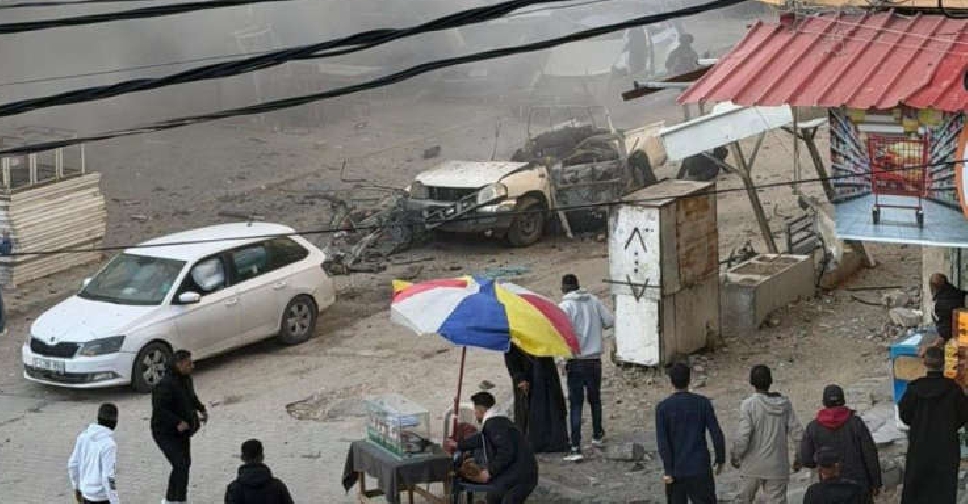 Israeli airstrikes kill four in Gaza, Palestinian officials say
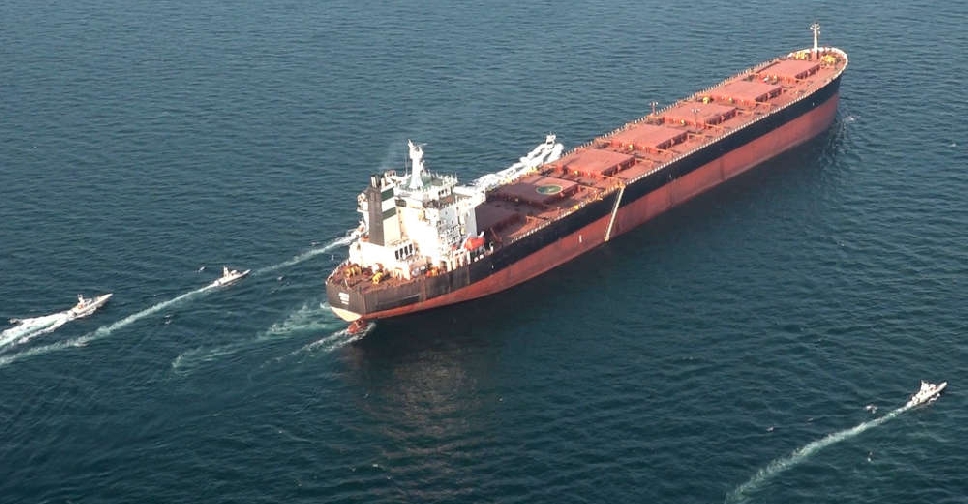 Iran says Hormuz open to all but ‘enemy-linked’ ships
 GCC renews condemnation of ongoing Iranian attacks
 Seven killed in Qatar helicopter crash due to technical malfunction
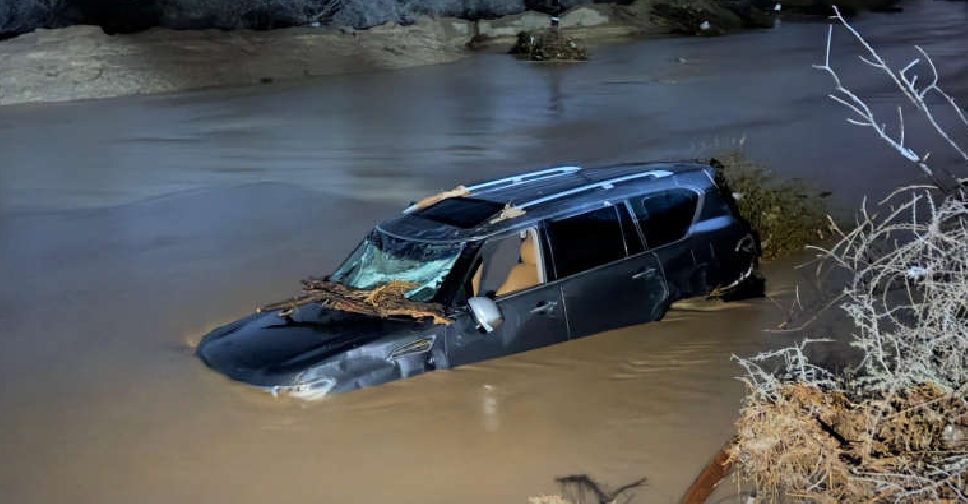 Four killed as severe weather hits Oman, search continues for missing person
 Japan could consider Hormuz minesweeping if ceasefire reached, minister says