

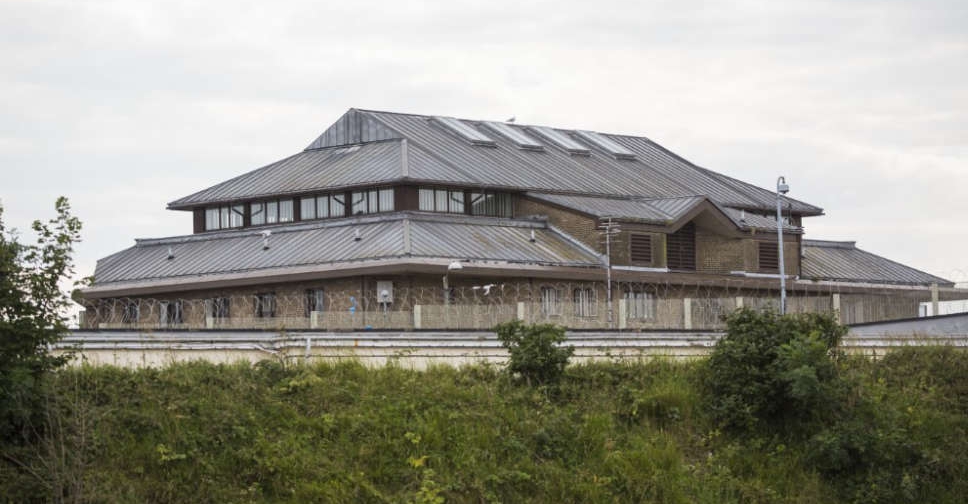
British police said on Saturday evidence showed an extreme right-wing terrorist ideology had motivated a petrol bomb attack on an immigration centre in the southern English port town of Dover on October 30.
Nobody was seriously hurt in the incident, and police said 66-year-old Andrew Leak - who was found dead at a nearby service station soon after the attack - had apparently acted alone.
"There is currently nothing to suggest the offender was working alongside anyone else, and there is not believed to be any wider threat to the public," a police statement said.
The Dover immigration facility is the first stop for thousands of people making the dangerous journey across the English Channel to seek asylum in Britain.
Evidence from digital media devices suggested Leak was motivated by extreme right-wing ideology, although there were also strong indications that Leak's mental health was a factor in the attack, police said, adding that investigations are continuing.
"I am satisfied that the suspect's actions were primarily driven by an extremist ideology. This meets the threshold for a terrorist incident," said Tim Jacques, senior national coordinator for counter-terrorism policing.
Immigration is a heated political issue in Britain.
Prime Minister Rishi Sunak has said Britain is a compassionate and welcoming place for asylum seekers, but this depends on the country being able to police its borders effectively.
Sunak's interior minister, Suella Braverman, is facing heavy criticism for describing the arrival of asylum seekers as an invasion.


 Iran denies talks with US after Trump postpones strikes on power grid
 Ukraine's Zelenskyy says Russia preparing new massive attack
 Rockets launched from Iraq’s Mosul towards US base in Syria
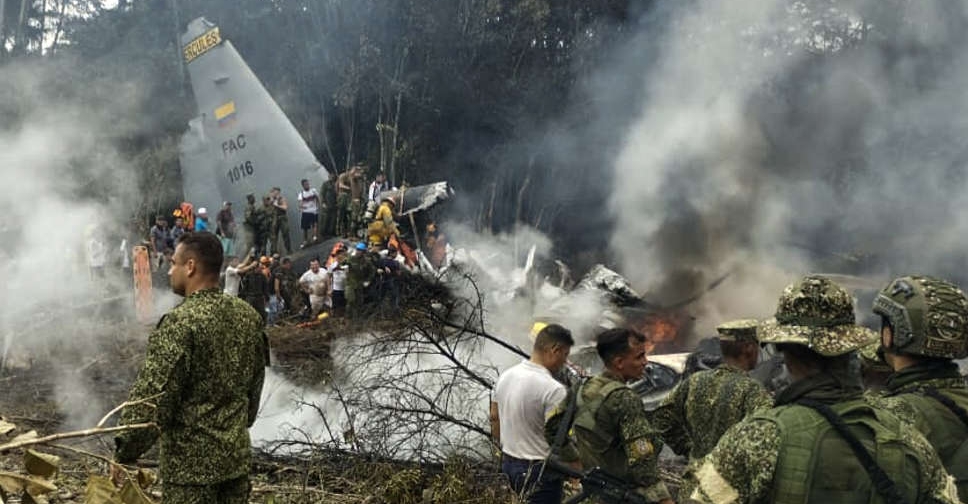 One killed, 77 hospitalised after Colombian military plane crashes
 Hong Kong police given new powers to obtain phone, computer passwords
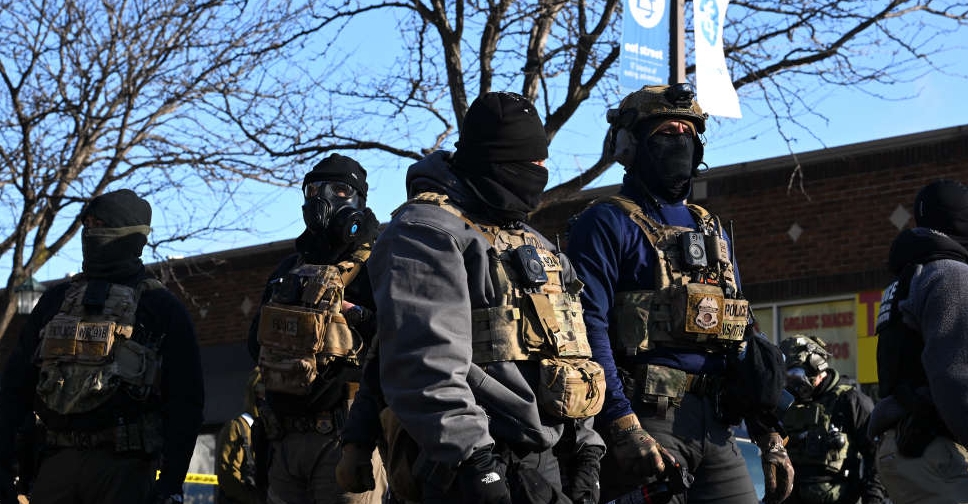 ICE agents begin deploying at some US airports
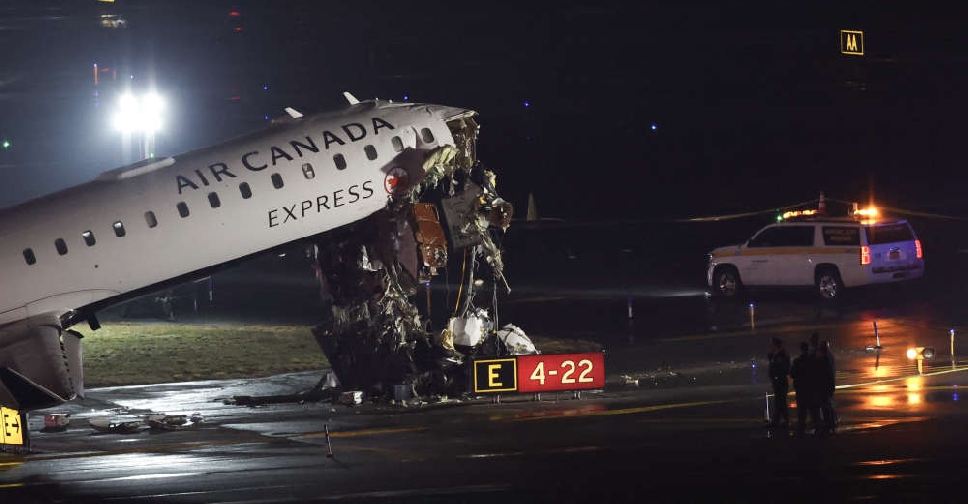 Air Canada jet collision shuts LaGuardia; pilots killed, dozens injured
 Kuwait launches probe into espionage, state security cases