

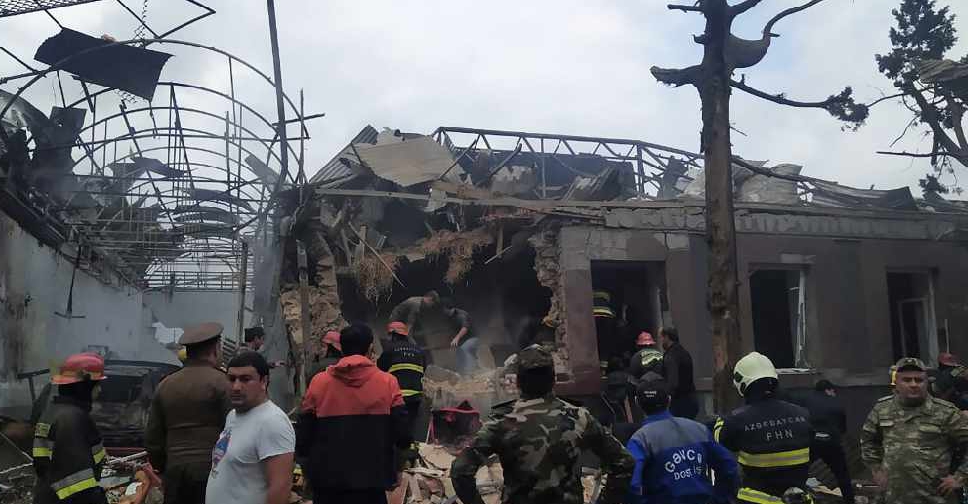
Armenia and Azerbaijan accused each other on Monday of attacking civilian areas on a ninth day of fighting, the deadliest in the South Caucasus region for more than 25 years.
Hundreds of people have been killed in the latest outbreak of war over Nagorno-Karabakh, a mountain enclave that belongs to Azerbaijan under international law but is populated and governed by ethnic Armenians.
Nagorno-Karabakh said Azeri forces launched rocket strikes on its capital Stepanakert, while Azerbaijan said Armenia fired missiles at several towns outside the breakaway region.
"The enemy is firing rockets at Stepanakert and Shushi. The Defence Army response will not be long in coming," said Vahram Pogosyan, a spokesman for the Nagorno-Karabakh leader.
"Tense fights are in progress," said Armenian defence ministry spokeswoman Shushan Stepanyan.
Azerbaijan said that Armenia had been launching missile attacks against densely populated areas and civilian infrastructure in Azerbaijan. The Azeri defence ministry said its radar system recorded that launches were made from the territory of Armenia.
"It is fake and complete misinformation that Armenia opened fire on Azeri strongholds," said Artrsun Hovhannisyan, an Armenian defence ministry official.
The clashes are the worst since the 1990s, when some 30,000 people were killed, and are spreading beyond the Nagorno-Karabakh enclave. They have raised international concern about stability in the South Caucasus, where pipelines carry Azeri oil and gas to world markets.
The conflict threatens to drag in other regional powers as Azerbaijan is supported by Turkey, while Armenia has a defence pact with Russia.


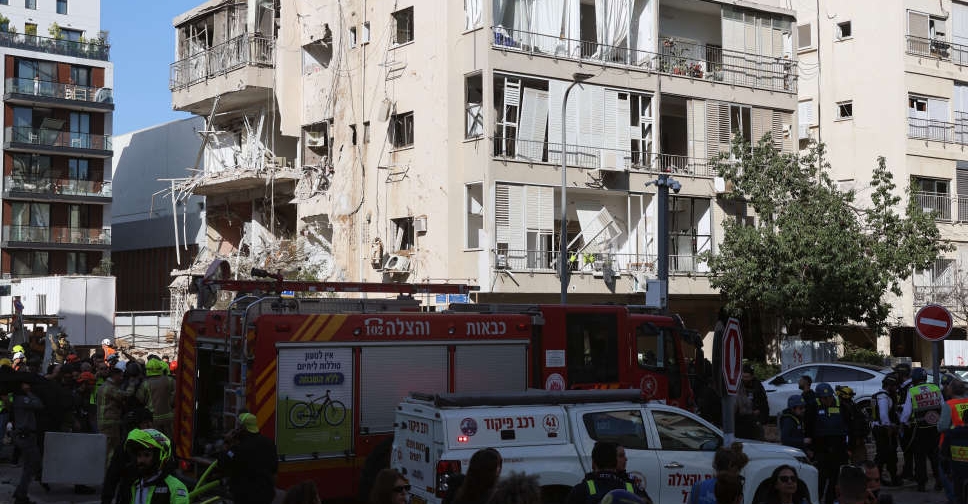 Iran sends missiles into Israel, dismisses Trump's talk of negotiations as 'fake news'
 Iran denies talks with US after Trump postpones strikes on power grid
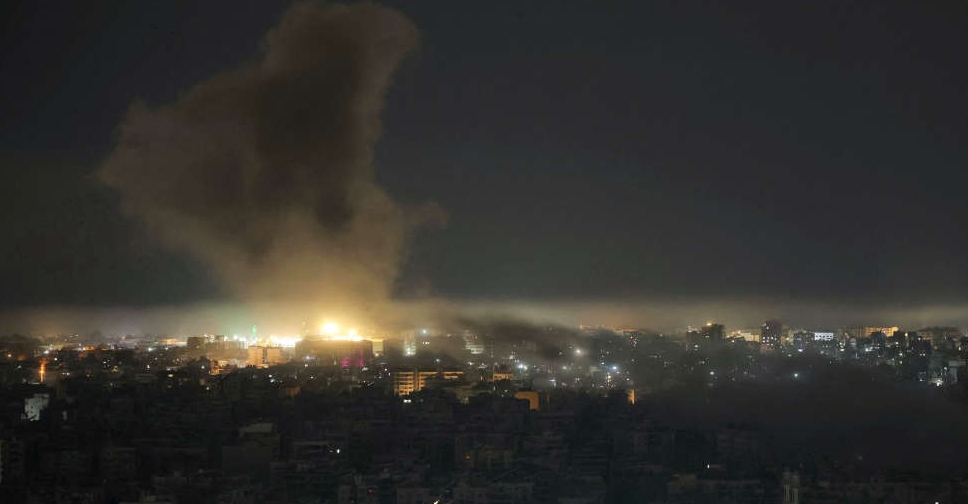 Israeli minister calls for annexation of southern Lebanon
 Kim Jong Un says North Korea’s nuclear status is irreversible, threatens South
 Japan to start releasing oil from joint stockpiles by end-March, PM says
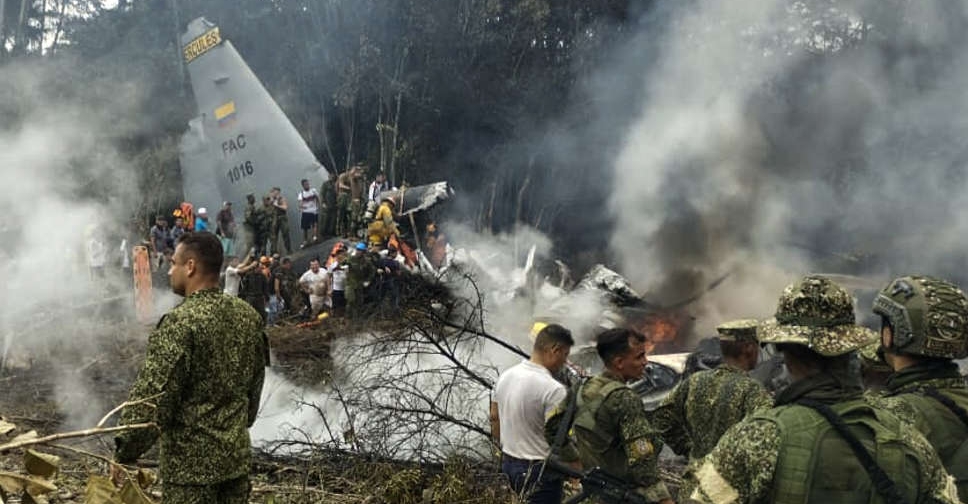 Death toll nearly doubles to 66 in Colombian military plane crash
 Seven overhead power lines out of service due to falling debris in Kuwait
 Airstrikes on Iraqi site kill 10 fighters including commander