

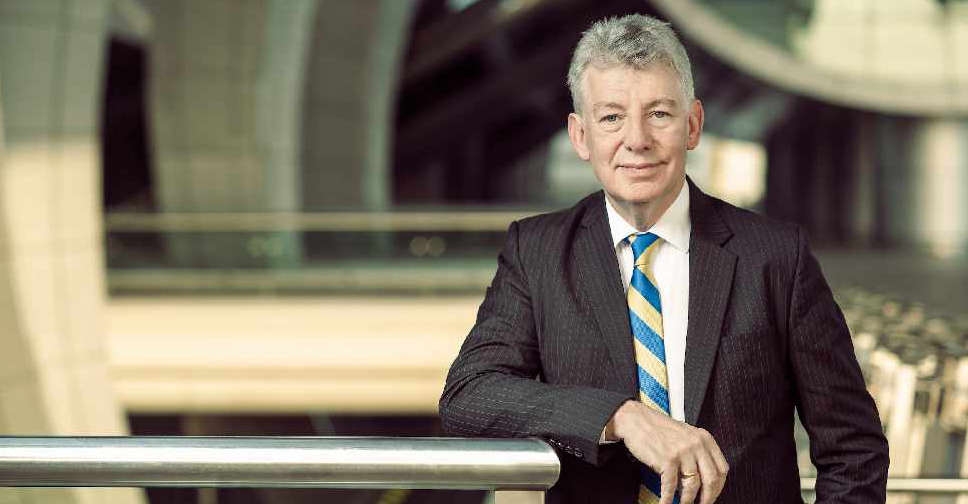
The sweeping new US tariffs has had no "negative impact" on DXB, airport's CEO Paul Griffiths said, but added that with the "volatility of the situation, it's far too soon to comment".
Emphasising DXB's resilience, he said, "One thing we have always noticed about DXB is that if there is a bit of an interruption in demand in one market, it is compensated by demand increasing in another market."
In an interview with Dubai Eye 103.8's Business Breakfast show, Griffiths said that one airline has experienced the opposite of the expected impact.
Trump's implementation of sweeping tariffs, including a 10 per cent baseline on all imports and significantly higher rates on China, the world's second-largest economy, has sparked a trade war that is straining the global economy.
In an interview with Reuters, Griffiths explained there were no significant fluctuations in passenger volumes across key markets, but there were shifts in demand, specifically from the United States. "What we are seeing, of course, is a gradual strength in recovery of the Chinese market which has been quite welcomed," Griffiths said.
Dubai International Airport is forecast to handle 96 million passengers by the end of 2025, he said.
At Emirates Airline, Chief Commercial Officer Adnan Kazim confirmed that while the airline continues to monitor the situation closely, it has yet to see any significant impact from tariff-related tensions.
Still, both leaders acknowledged the uncertainty that lies ahead. With the global situation evolving rapidly, it's too early to make firm predictions about the long-term effects on aviation.

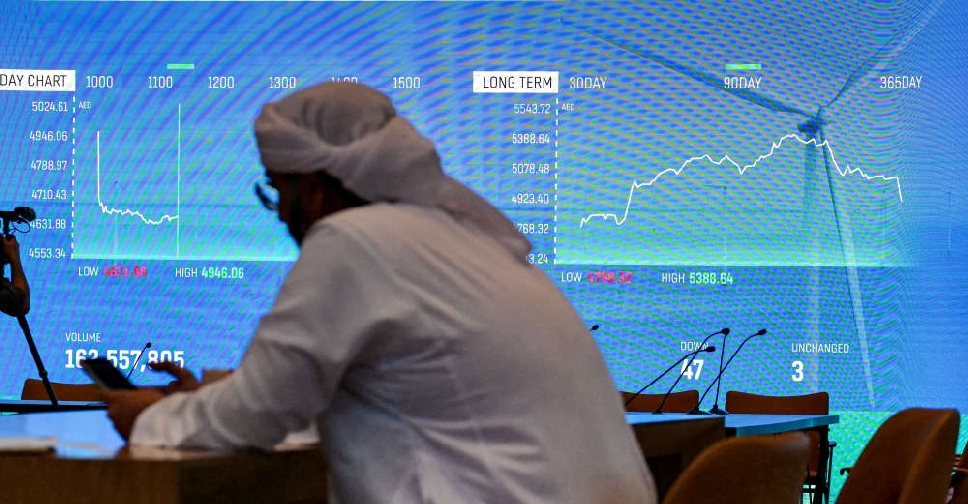 Gulf stocks mixed amid confusion over US-Iran talks
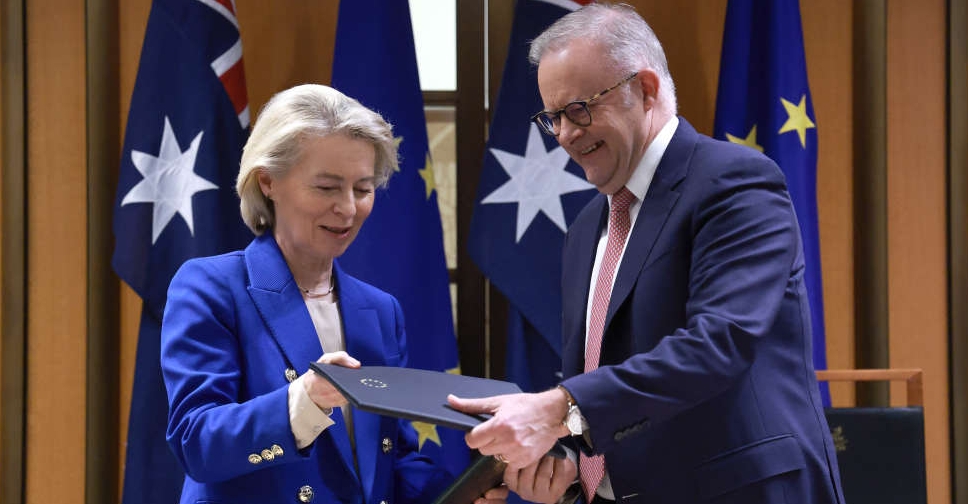 Australia, EU seal long-awaited trade deal
 Weaponising Strait of Hormuz is an act of economic terrorism: Sultan Al Jaber
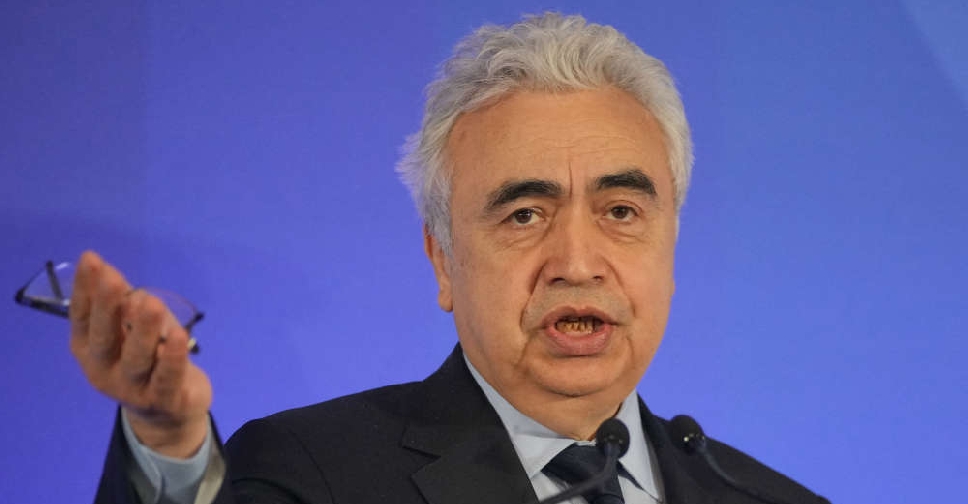 IEA consulting with governments on further oil stock releases, chief Birol says
 Dollar rises as escalating Middle East tensions spur haven demand